Why Choose a Mobile Power Bank for Global Buyers?
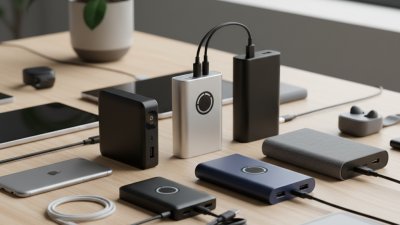
Why Choose a Mobile Power Bank for Global Buyers? For many international customers, reliable portable power is no longer a luxury. It supports phones during airport transfers, outdoor work, trade fairs, and unexpected delays. A dependable Mobile Power Bank can keep a navigation app running when a crowded terminal offers no available outlet.
Global buyers need more than a high-capacity label. They should examine battery chemistry, charging efficiency, connector compatibility, and protection against overheating or overcharging. A clear product specification should state rated capacity, input and output limits, recharge time, and supported charging protocols. It should also provide traceable test information. Relevant safety requirements may include UN 38.3 transport testing and IEC 62133-2 evaluation, depending on the market and product design. Certification details should be verified, not simply printed on packaging.
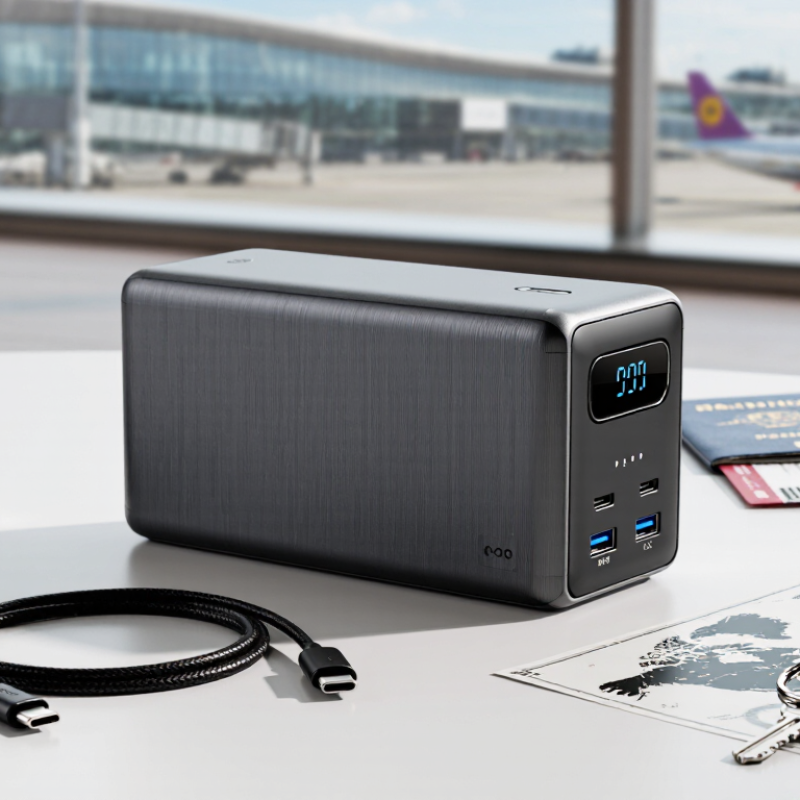
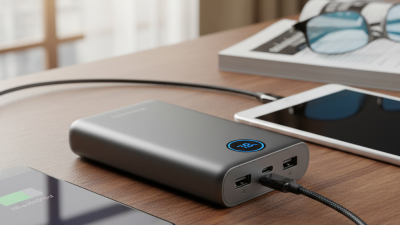
Small details matter. A textured shell can improve grip, while a visible battery display reduces uncertainty during long journeys. USB-C output may simplify charging across newer devices, but compatibility still requires careful checking. No product is perfect. Actual capacity can vary with temperature, cable quality, and conversion loss. I have seen buyers focus on maximum capacity and overlook weight, which can make daily carrying inconvenient. That choice deserves reconsideration. A trustworthy supplier explains these limitations, provides consistent documentation, and supports quality checks before shipment. For global buyers, the best Mobile Power Bank balances safety, portability, performance, and honest communication. Reliability travels well.
Understanding Mobile Power Banks and Their Main Functions
A mobile power bank is a portable battery that stores electricity for later use. It can recharge phones, tablets, wireless earbuds, and some small devices. Most models use lithium-based cells, with capacity measured in milliamp-hours, or mAh. A higher capacity usually provides more charging cycles, but it also adds weight and size.
The main function is simple: connect a device with a suitable cable and restore its battery outdoors. Many power banks include USB-C input and output, while some also offer USB-A ports. Fast charging can save time during airports, field work, or long train journeys. A digital display may show the remaining charge more clearly than four small lights. Safety features matter too. Overcharge, overheating, short-circuit, and overcurrent protection reduce common charging risks.
In real use, a compact 10,000 mAh model may fit beside a passport, while a larger unit can feel heavy in a jacket pocket. Actual output is lower than the printed capacity because energy is lost during conversion. This detail is easy to overlook. I once chose capacity over portability and carried a power bank I rarely wanted to use. Global buyers should check plug compatibility, cable standards, shipping restrictions, and airline requirements before purchase. Performance can also change in cold weather. No power bank is perfect. The right choice depends on device needs, travel habits, charging speed, and daily weight tolerance.
Key Benefits for Travelers, Remote Workers, and Everyday Users
A mobile power bank is practical insurance for travelers, remote workers, and everyday users. GSMA Intelligence reported about 4.7 billion mobile internet users worldwide in 2023. That dependence makes a dead battery more than an inconvenience. It can interrupt digital boarding passes, maps, emergency calls, or a video meeting from a small hotel desk. A compact 10,000mAh model can usually recharge a phone during transit without adding much weight. However, advertised capacity is not the same as usable output. Conversion losses reduce real performance.
Remote workers often move between cafés, trains, and temporary offices. A power bank can support a phone, wireless earbuds, or a small tablet when outlets are occupied. USB-C power delivery is especially useful because it can provide faster, more stable charging for compatible devices. Research from the International Energy Agency shows that global electricity access is improving, yet reliability remains uneven in many regions. A backup battery cannot replace infrastructure, but it can protect a work call or stored travel documents. I still forget to recharge mine. That is a user problem, not a technology failure.
Tips:
Choose capacity for your routine, not the largest number. Check airline and local transport rules before flying. Keep the bank in carry-on luggage, inspect cables, and avoid swollen or damaged units. Test charging speeds with your own devices. A small flashlight can help during evening transfers. Certain choices look efficient, but convenience sometimes hides extra weight.
Essential Features for International Buyers to Compare
Global buyers should compare a mobile power bank beyond its printed capacity. Grand View Research estimated the global power bank market at over USD 13 billion in 2023. This growth reflects a practical need: travelers want dependable charging across airports, hotels, and remote workspaces.
Capacity is only one measure. Check watt-hours, output power, port types, recharge time, and battery protection. A 20,000mAh unit may offer less usable energy after conversion losses. That detail is easy to miss. USB-IF guidance supports comparing certified USB-C charging performance, rather than trusting vague “fast charge” claims. Look for overcharge, overheating, short-circuit, and temperature protection. A clear digital display can also prevent unpleasant surprises.
Air travel adds another comparison point. IATA’s 2025 passenger baggage guidance treats power banks as spare lithium batteries, normally requiring carry-on transport. Airline restrictions can differ, especially for higher-capacity units. Buyers should verify current carrier rules before departure. Certification marks, test reports, warranty terms, and traceable seller information strengthen reliability. A lightweight case matters too; sharp edges and loose ports fail quickly in crowded luggage. I would not select the largest model automatically. A smaller unit may be safer, easier to carry, and sufficient for two phone charges. No single model fits every route. That is the part many comparisons overlook.
Safety, Compatibility, and Certification Requirements Worldwide
Global buyers need more than a high-capacity battery and a low price. A mobile power bank should include a clear watt-hour rating, traceable test records, and stable output protection. The United Nations Manual of Tests and Criteria, Section 38.3, requires lithium batteries to pass transport safety tests before shipment. Buyers should request the UN 38.3 test summary, not merely a printed logo.
Compatibility also depends on local transport rules. IATA’s 2024 Annual Safety Report recorded 40.6 million commercial flights and an accident rate of 1.13 per million sectors. This figure covers aviation generally, not power banks specifically. Still, it shows why airlines examine spare lithium batteries carefully. Most passenger guidance limits power banks to carry-on baggage, with 100 Wh commonly accepted and higher capacities requiring airline approval. A 20,000 mAh battery may sound powerful, but its real rating depends on voltage. The calculation is simple: watt-hours equal milliamp-hours multiplied by volts, then divided by 1,000.
Certification needs equal attention. IEC 62133-2 supports rechargeable battery safety evaluation, while regional conformity markings may address separate market requirements. A certificate is not a magic shield. Poor cell matching, weak thermal protection, or misleading capacity labels can still create risk. I would also check documentation dates and factory consistency. Paperwork can look perfect. The product may not.
Before purchasing, global distributors should verify input standards, USB-C power profiles, plug compatibility, labeling language, and recycling obligations. Small details matter. A power bank that charges slowly is inconvenient; one that overheats in a crowded cabin is a serious concern.
How to Select the Right Power Bank for Global Use
For global buyers, choosing the right power bank starts with real travel needs. A compact 10,000mAh model may suit daily phone charging, while tablets need greater capacity. Capacity labels can be confusing. Check the rated output, not only the advertised number. Weight matters. A heavy unit may stay in a drawer. In practical testing, I learned that pocket comfort often matters more than maximum capacity.
Output compatibility is equally important. USB-C Power Delivery can support many modern phones, tablets, and small laptops. Confirm the required wattage before buying. A laptop may need 45W, while a phone may need much less. Check the power bank’s input rating too, because slow recharging becomes frustrating during short hotel stays. Do not assume every cable delivers the same performance. Test before travel.
Safety, documentation, and local travel rules deserve careful attention. Select a power bank with clear capacity markings, overcharge protection, temperature control, and recognized safety testing. Avoid products with damaged ports, loose casings, or unclear specifications. Airlines and destinations may apply different restrictions, so check current official guidance before departure. Keep the device away from direct sunlight, hot cars, and wet luggage. A warranty with responsive support adds practical value, especially for international buyers. My own selection process still has room for improvement; I once focused too heavily on charging speed and underestimated cable quality. Labels can mislead.
Why Choose a Mobile Power Bank for Global Buyers? - How to Select the Right Power Bank for Global Use
| Power Bank Category |
Rated Capacity |
Approx. Energy
(at 3.7 V nominal voltage) |
Typical Weight |
Typical USB-C Output |
Estimated Phone Charges* |
Air Travel Suitability |
Best Global Use Case |
| Compact Daily Carry |
5,000 mAh |
18.5 Wh |
Approximately 100–150 g |
10–20 W |
About 0.7–1.0 charge |
Normally within the carry-on battery limit |
Short commutes, conferences, and light emergency backup |
| Balanced Travel Size |
10,000 mAh |
37 Wh |
Approximately 180–250 g |
18–30 W |
About 1.5–2.0 charges |
Normally permitted in carry-on baggage |
International business travel and everyday mobile use |
| Extended Travel Capacity |
20,000 mAh |
74 Wh |
Approximately 350–450 g |
20–65 W |
About 3.0–4.0 charges |
Normally below the 100 Wh threshold; carry-on only |
Multi-day trips, tablets, cameras, and handheld gaming devices |
| High-Capacity Travel Model |
Approximately 26,800–27,000 mAh |
Approximately 99–100 Wh |
Approximately 500–650 g |
30–100 W |
About 4.0–5.0 charges |
Generally within the common 100 Wh carry-on limit; verify airline rules |
Long-haul flights and users charging laptops or multiple devices |
| Large-Capacity Model |
30,000 mAh |
111 Wh |
Approximately 600–800 g |
30–140 W |
About 4.5–5.5 charges |
May require airline approval because it exceeds 100 Wh; carry-on only |
Remote work, outdoor activities, and extended power outages |
Global Selection Checklist
- Confirm the energy rating in watt-hours (Wh), calculated as: Wh = mAh × nominal voltage ÷ 1,000.
- Choose USB-C Power Delivery when charging phones, tablets, or laptops across different regions.
- Check whether the model supports the required output voltage, current, and total wattage for your devices.
- Carry spare lithium-ion power banks in cabin baggage, not checked baggage.
- For batteries above 100 Wh and up to 160 Wh, obtain airline approval before travel; batteries above 160 Wh are generally not permitted on passenger aircraft.
- Verify the airline, airport, and destination-country rules because restrictions can vary.
*Estimated phone charges assume a typical smartphone battery of approximately 4,500–5,000 mAh and account for normal conversion and charging losses. Actual results vary by device, cable, temperature, charging protocol, and power bank design.



 Mr. Leaf