Choosing the right Phone Power Bank for wholesale requires more than comparing capacity and unit price. Buyers must examine safety, charging performance, durability, supplier experience, and customer expectations. A low-cost model may look attractive, but weak cells can create returns, complaints, and damaged brand trust.
Dr. Jeff Dahn, a leading lithium-ion battery researcher, has said, “The battery is the most important component in an electric vehicle.” His point also matters for power banks. Battery quality influences charging stability, cycle life, heat control, and long-term reliability. A dependable Phone Power Bank should use verified cells, clear capacity ratings, and protection against overcharging, overheating, short circuits, and excessive current.
Wholesale evaluation should include practical testing. Check whether the stated capacity matches real output. Test USB-C PD performance with several phone models. Inspect the casing, cable connection, display accuracy, and recharge time. Ask suppliers for test reports, warranty terms, production photos, and quality-control records. Certifications also deserve careful verification, not casual acceptance.
Some buyers still focus too heavily on the lowest quotation. That approach can fail quickly. A cheaper product may have slower charging, inconsistent branding, or poor packaging. Those details become visible on a retail shelf.
Wholesale decisions are rarely perfect. Specifications can look impressive on paper. Real samples may disagree. This guide explores how to compare suppliers, battery technology, charging protocols, safety evidence, order quantities, and after-sales support before placing a large Phone Power Bank order.
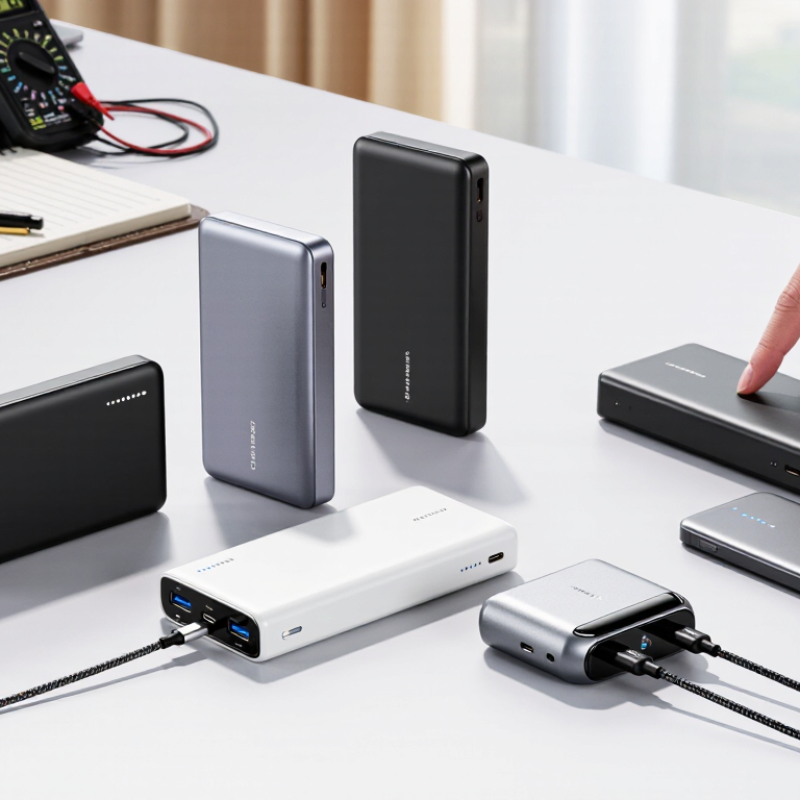
When choosing phone power banks for wholesale, capacity is often the first number buyers see. Rated mAh describes the internal cell charge at a nominal 3.7 V. It does not equal the energy available to a phone.
Use this calculation: rated Wh = mAh ÷ 1,000 × 3.7. A 20,000 mAh unit stores about 74 Wh before conversion losses. If its circuit operates at 82% efficiency, the usable energy may fall near 61 Wh. Heat, cable resistance, battery age, and charging speed can reduce it further. The final output voltage also matters. A power bank may raise voltage from the cell level to a USB output, creating additional loss.
Look beyond large mAh figures. Ask suppliers for tested usable Wh, conversion efficiency, and output conditions. Check whether testing used a full battery, room temperature, and a steady load. I once compared two units by mAh alone and expected similar runtime. They performed differently because their usable energy and output control were not equal. That mistake still influences my inspection process.
For a wholesale order, test samples with a USB power meter and a fixed electronic load. Record starting voltage, delivered Wh, charging time, and surface temperature. Keep the test method consistent. A slightly smaller rated capacity may provide more dependable phone charging when its circuitry wastes less energy. Supplier documents help, but independent sample testing remains essential. Thermal results can also vary between production batches.
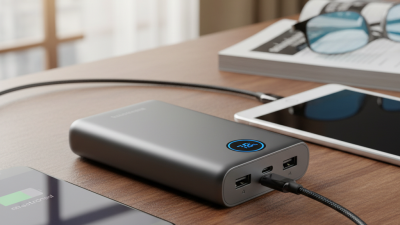
When choosing a phone power bank for wholesale, match output to real charging needs. A 20 W USB-C PD model suits standard smartphones and remains compact for daily carry. For faster charging, 30 W to 45 W options provide more flexibility for larger phones, tablets, and accessories. Check whether the device supports PPS, not only standard PD. This detail can affect charging efficiency and temperature control.
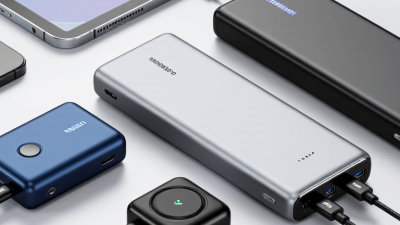
Higher output is not always better. A 140 W power bank may support a phone, tablet, and laptop, but it often adds weight, cost, and unused capacity. In practical testing, connect several devices at once and measure whether power is shared as expected. Some models reduce the main USB-C port when another port is occupied. That can surprise buyers.
I once focused too much on the printed wattage. The actual charging experience felt less impressive. Ask suppliers for continuous-output test data, USB-C cable specifications, recharge time, and protection details. Confirm performance with different phone models, because charging speed can vary by battery level and temperature. A reliable wholesale choice should balance output, portability, battery capacity, and consistent quality. A clear sample-testing process also helps reduce returns and customer complaints.
Match Output: Select USB-C PD Power Banks from 20 W to 140 W
USB-C PD power banks commonly range from 20 W to 100 W under standard power profiles, while 140 W is available through USB PD 3.1 Extended Power Range. A 20–30 W model suits smartphones, 45–65 W is suitable for phones, tablets, and compact laptops, and 100–140 W is intended for high-performance laptops and multi-device charging. Actual charging speed depends on the device, cable, battery level, and thermal limits.
Choosing a phone power bank for wholesale requires more than comparing capacity and price. Safety documents should guide the decision.
IEC 62133-2 focuses on rechargeable battery safety during normal use and foreseeable misuse. Ask for a current test report that matches the exact battery cell, capacity, and model.
CE compliance also matters when selling in the European market. Request the EU Declaration of Conformity, technical evidence, and clear product labels. The supplier should explain which directives and standards were applied.
Vague answers are a warning sign.
Test the sample. A report for an older model is not enough, even if the housing looks identical.
Tips:
Compare document numbers, dates, model names, and laboratory details. Check whether the report covers the complete power bank or only the internal cell. Inspect charging ports, cable insulation, battery swelling, and heat during repeated charging. Keep photos and test records for each wholesale batch.
Requirements may differ by destination, so confirm them before shipment. This step takes time, but skipping it can create returns, delays, and customer complaints.
I sometimes find that a lower-cost unit passes basic checks but feels poorly controlled in production. That uncomfortable detail deserves attention.
When choosing a phone power bank for wholesale, look beyond its printed capacity. Cycle life shows how well the unit performs after repeated charging. A reliable sample should retain useful capacity after hundreds of cycles. Ask suppliers for cycle-test records, testing conditions, and rated results. Numbers without test details are difficult to trust.
I have seen products pass a short inspection but weaken noticeably after regular warehouse sampling.
Cell quality also deserves close attention. Consistent lithium-ion cells usually provide steadier output and better aging performance. Ask whether cells come from one controlled production batch. Check the actual capacity, voltage range, and protection features. A heavy power bank is not automatically better. Poor internal design can add weight without improving performance.
Ports affect both usability and wholesale returns. Check whether input and output ports match the charging needs of common phones. Test every port at the same time. Watch for loose sockets, unstable charging, or slow recovery. Heat control matters during long use. Place samples under a realistic load and measure surface temperature near the ports and cell area.
Warm is expected. Excessive heat is a warning. Leave room for doubt; supplier data may not reflect summer shipping or crowded retail displays. Request several samples, repeat the tests, and compare results before placing a large order.
Wholesale value starts with total landed cost, not the factory quote. Add the unit price, freight, duties, inspection, payment fees, and expected defects. For example, a $6.20 power bank can become $7.45 before entering your warehouse. A 2% warranty reserve adds another $0.15 per unit. Small gaps matter at scale.
MOQ must match proven retail demand. IDC reported approximately 1.23 billion smartphone shipments worldwide in 2024, showing a large replacement and accessory market. However, smartphone shipments do not guarantee power bank sales. Check your own data by capacity, connector type, and selling season. A 500-unit trial may reveal more than a 5,000-unit discount. Cheaper is not always safer.
Warranty terms also affect business value. A 12-month warranty looks attractive, but define testing rules, replacement timing, and return freight before ordering. Industry reports from Grand View Research estimate continued growth in the global power bank market, yet forecasts can be optimistic. My first demand estimate would probably be too high without retailer feedback. Build three cases: slow, expected, and strong demand. Then compare gross margin after warranty claims, not before. A reasonable wholesale choice should survive weak sales, not only a successful launch.