How to Choose the Best Phone Power Bank in 2026?
In a world increasingly dependent on mobile technology, choosing the right Phone Power Bank is essential. Expert John Smith, a leading figure in consumer electronics, once stated, “The right power bank can be a lifesaver in today’s fast-paced environment.” As we approach 2026, consumers face endless options with different capacities, sizes, and features.
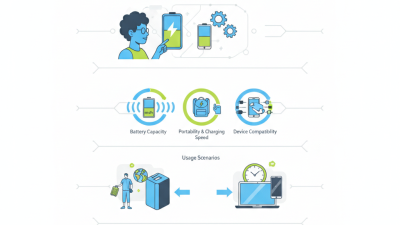
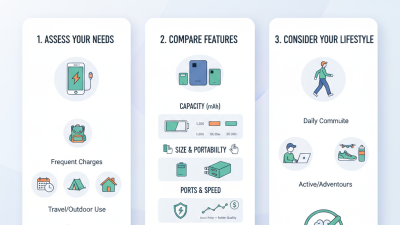
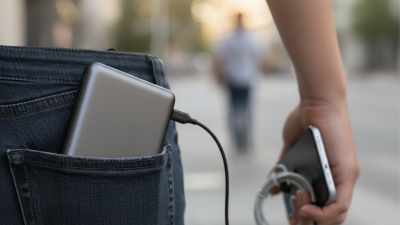
Understanding your personal usage patterns can greatly influence your choice. If you travel frequently, a lightweight and compact Phone Power Bank may suit you better. However, for daily users, a higher capacity model ensures longevity. It’s crucial to assess not just the power capacity, but also charging speed and port availability.
Choosing the best Phone Power Bank is not a straightforward task. Each user has unique needs. A device that works perfectly for one may fall short for another. This reflection on individual requirements is vital in making an informed choice. Exploring various products and reading reviews will enhance your understanding, but be mindful of potential marketing biases.
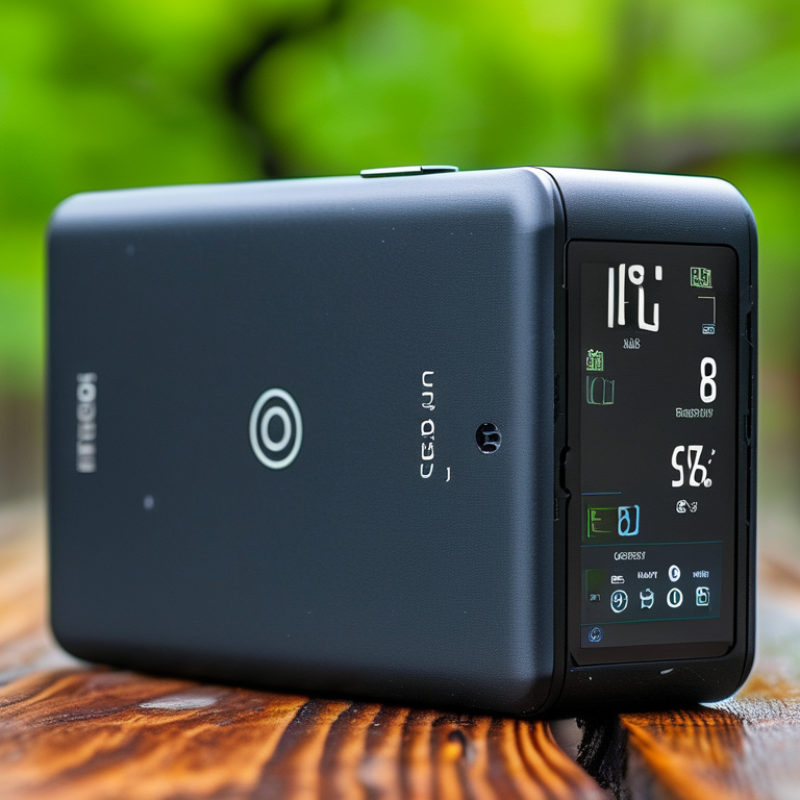
Understanding Battery Capacity and Performance in 2026 Power Banks
When selecting a power bank in 2026, understanding battery capacity is essential. Most power banks flaunt their capacity in milliampere-hours (mAh). A standard power bank offers between 10,000 to 30,000 mAh. However, not all of this capacity translates into usable power. In real-world scenarios, efficiency rates average around 70%. This means a 20,000 mAh power bank may only provide about 14,000 mAh to your device.
When considering charging performance, pay attention to the output specifications. Many modern power banks support fast charging, allowing for quicker device recharging. Research shows that power banks with a 20W output can charge compatible devices up to 50% in just 30 minutes. However, keep in mind that high performance often comes at a cost, with potential overheating or wear on battery health over time.
In addition, durability and design are crucial. A robust power bank can withstand wear and tear, enhancing its longevity. However, heavier models can feel cumbersome. Balancing capacity, performance, and weight often leaves room for personal opinion. Users may face challenges in deciding what attributes hold the most value in their daily lives, leading to thoughtful choices.
Evaluating Portability and Design Features of Power Banks
When selecting a power bank, portability and design are crucial. A report by MarketsandMarkets indicates that 48% of consumers prioritize size when choosing a power bank. This means compact models can lead to higher user satisfaction. Lightweight options are increasingly popular, especially for travelers and outdoor enthusiasts. Power banks weighing less than 200 grams are becoming industry favorites.
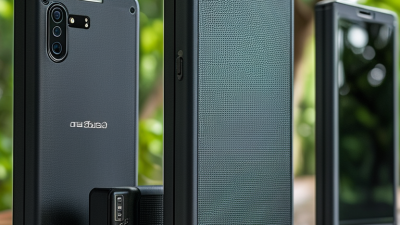
Design is not just about aesthetics. Users also consider functionality. Models with built-in cables minimize clutter and enhance convenience. Analyzing user reviews helps identify designs that truly meet needs. Currently, power banks with rubberized finishes are gaining traction. They offer better grip and durability, especially in outdoor contexts. However, some designs may overlook heat dissipation. Overheating can reduce battery longevity and performance.
While features like LED indicators sound appealing, they can be misleading. Some users report these indicators diminish battery lifespan. It's essential to balance design with practical longevity. Evaluating real-world usage data can provide insights into performance, guiding you to a reliable choice. Designs should evolve with user needs, and those that don't may fall short in a competitive market.
Comparing Charging Speed and Technology: What to Look for
When selecting a power bank in 2026, understanding charging speed is crucial. Different technologies, such as Quick Charge and Power Delivery, greatly influence how fast your device can recharge. Some power banks may promise rapid charging, but often, real-world performance varies. It’s essential to read user reviews and check technical specifications to gauge actual speed. Look for the wattage rating, as higher numbers usually indicate faster charging rates.
Battery capacity is another important factor. A power bank with a higher milliamp-hour (mAh) rating will recharge your devices multiple times. However, a larger capacity often results in a bulkier design. Some users may prefer portability over capacity. Choosing a balance between size and power can be challenging. Pay attention to details like weight and dimensions to ensure it fits your lifestyle.
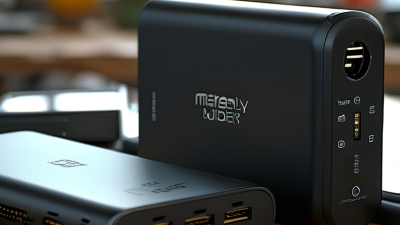
Lastly, consider the number of output ports. Some power banks can charge multiple devices simultaneously. This can be convenient but may lead to slower speeds if all ports are in use. Evaluate your needs carefully. Reflect on how many devices you use daily. The right choice should not only meet your current demand but also accommodate future devices. Think critically about the trade-offs. Each characteristic influences functionality, weight, and price.
Assessing Compatibility with Multiple Devices and Accessories
When selecting a phone power bank in 2026, assessing compatibility is crucial. Many power banks are designed for specific devices, but the best models provide universal compatibility. Look for power banks that can charge across multiple platforms, including smartphones, tablets, and wearables. You want a device that meets your tech needs now and in the future.
Consider the types of accessories that will be used with your power bank. If you have a tablet and smartwatch, opt for a model with enough output to support simultaneous charging. Fast charging capability is also essential. Ensure the power bank has the right ports, such as USB-C and Lightning. This fosters greater flexibility and usability for different devices.
There’s often a disconnect between advertised compatibility and real-world performance. Some may not charge devices as expected. Reading reviews can provide insight, but always test your power bank with your devices. It is critical to recognize that not all power banks are created equal. Sometimes, a power bank that works for one device may fall short for another. Make informed choices for long-lasting efficiency.
Exploring Price Points and Brand Reliability for Power Banks in 2026
When selecting a power bank in 2026, understanding price points is crucial. Reports indicate that power banks now range from $15 to $100, depending on capacity and features. Lower-priced options may lack important safety measures, which can lead to battery damage or overheating. Investing in a reliable power bank often saves costs on replacements in the long run.
Brand reliability is another significant factor. Trustworthy brands often undergo rigorous testing, reducing the risk of failure. According to a survey, 75% of consumers prefer brands with positive reviews and proven performance. In contrast, many lesser-known brands struggle with quality control. This leads to inconsistent charging speeds and reduced battery life. Researching user experiences provides valuable insights.
Furthermore, while higher-priced options often come with extra features, it’s essential to analyze what you truly need. Some expensive models include solar charging or fast charging, which may not be necessary for everyone. Balance your budget with actual requirements to make a thoughtful choice. Reflect on your usage patterns. A power bank should fit seamlessly into your lifestyle, whether for travel or daily commutes.



 Mr. Leaf