Top Tips for Choosing a Powerful Power Bank to Charge Devices?
In today's fast-paced world, staying connected is crucial. A powerful power bank is essential for anyone using multiple devices. It ensures that your gadgets remain charged throughout the day. With so many options available, it can be daunting to choose the right one. You need a reliable power bank that meets your specific needs.
Understanding the key features of a powerful power bank is vital. Look for capacity, output power, and size. A higher capacity means more charges for your devices. But it may also mean added bulk. Sometimes, convenience trumps capacity. It is essential to balance these factors when making your choice.
Many users overlook the importance of brand and warranty. A reputable brand often guarantees a certain level of quality. Consider reading reviews before making a purchase. While some power banks promise fast charging, not all deliver. Reflecting on your usage habits can guide you in selecting one that fits well. A powerful power bank should empower your daily routine, rather than hinder it.
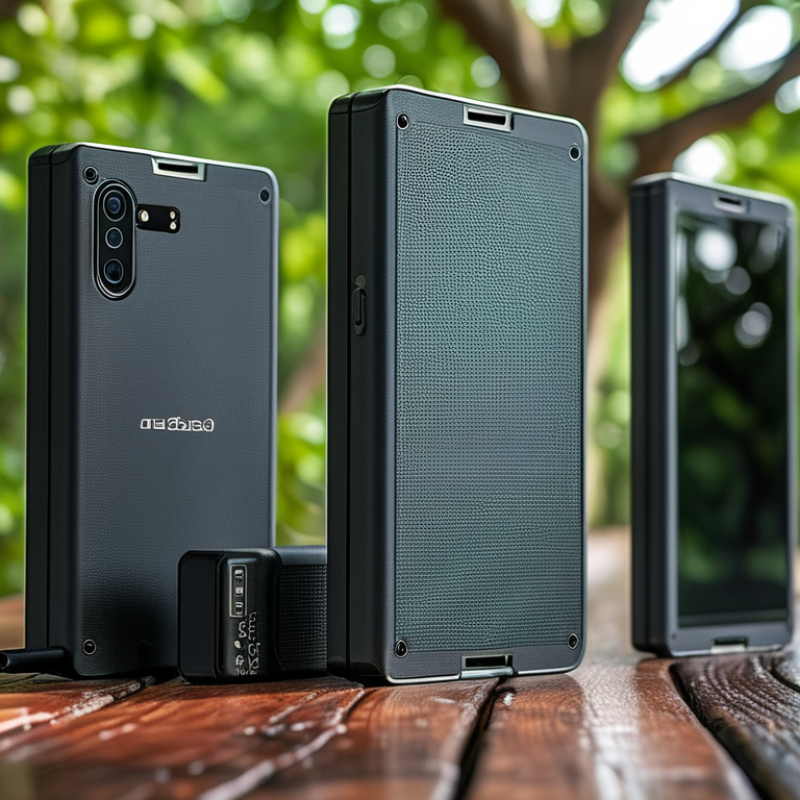
Understanding Power Bank Specifications: Capacity and Output
Choosing the right power bank requires a solid understanding of its specifications. Capacity and output are crucial metrics to consider. Capacity is measured in milliampere-hours (mAh). A higher mAh indicates a power bank can store more energy. For example, a 20,000 mAh power bank can charge a smartphone multiple times. Yet, the actual number of charges depends on the device's battery size and efficiency.
Output is equally important. It is measured in watts (W) and helps determine how quickly a device charges. Many modern power banks offer 18W to 30W output, which can significantly reduce charging time. For instance, a power bank with 30W output can charge a smartphone to 50% in just 30 minutes, which is efficient in our fast-paced lives. However, ensure your devices can handle this output. If not, you risk damaging the battery.
Tip: Always check compatibility before purchasing. Consider what devices you need to charge. Additionally, look for power banks with multiple output ports. These can be useful when you have several devices that need charging simultaneously. Using a power bank that balances capacity and output will enhance your charging experience. It’s essential to weigh your options carefully and not solely rely on brands.
Power Bank Specifications Comparison
Identifying Compatibility: Choosing the Right Power Bank for Your Devices
When selecting a power bank, device compatibility is crucial. A power bank should match the charging requirements of your gadgets. Most modern smartphones need 5V for charging, but some newer models require higher voltages. This variation often goes unnoticed, leading to inefficient power transfer. According to industry reports, about 30% of users remain unaware of their device's specific power needs.
It's important to check the output rating of the power bank. Look for a minimum of 2.0A output for faster charging. Many devices now support fast charging technologies, which need power banks equipped to handle them. A mismatch can result in prolonged charging times or, worse, damage. Furthermore, consider the number of ports the bank offers. A multi-port option may allow charging multiple devices simultaneously, but performance can wane if too many devices are plugged in at once.
Battery capacity is another variable, typically measured in milliampere-hours (mAh). A power bank with a capacity of 10,000mAh can recharge most smartphones at least two times. But exceeding capacity doesn’t guarantee efficiency. Some power banks lose efficiency over time, requiring careful selection. Research shows that nearly 15% of consumers experience power loss issues, leading to disappointing performances. Select devices wisely to ensure that the power bank remains both reliable and effective.
Evaluating Charging Speed: Fast Charging vs. Standard Charging
When choosing a power bank, evaluating charging speed is crucial. Fast charging can significantly reduce the time it takes to recharge your devices. According to a report by Statista, nearly 70% of consumers prefer fast charging capabilities in their power banks.
Fast charging technology, like Qualcomm Quick Charge and USB Power Delivery, can deliver power at rates exceeding 18W. This means a smartphone typically gets charged to about 50% in just 30 minutes. In contrast, standard charging often provides only 5W to 10W. This can result in longer wait times for users on the go.
When selecting a power bank, consider these tips: Look for a power bank that supports fast charging. Make sure it has the correct output voltage for your devices. Also, check the total battery capacity; a higher mAh rating usually means more charging cycles. Don't ignore the build quality. A sturdy design can enhance durability, even if it makes the power bank a bit heavier. Balance between weight and performance is key.
Top Tips for Choosing a Powerful Power Bank to Charge Devices
| Feature |
Standard Charging |
Fast Charging |
| Charging Speed |
5V/1A (5W) |
5V/2A (10W) or higher |
| Device Compatibility |
Universal for most devices |
Compatible with fast-charging devices |
| Charging Time |
3-5 hours |
1-2 hours |
| Battery Size |
Suitable for small capacity (power banks < 10000mAh) |
Better for larger capacity (power banks > 10000mAh) |
| Heat Generation |
Minimal |
Higher, can require cooling |
| Cost |
More affordable |
Generally higher priced |
Portability and Design: Selecting a Convenient Power Bank
When selecting a power bank, portability is vital. A compact design fits easily into bags or pockets. Look for lightweight models that you can carry comfortably. We often overlook this until we feel weighed down. A bulkier power bank may hold more charge but can be cumbersome, making it easy to regret your choice.
Design also affects usability. A power bank with a sturdy build ensures durability. It should withstand daily use and occasional drops. The layout of ports matters too. Ensure there are enough charging options for multiple devices. Sometimes, the sleekest designs lack practicality, making you rethink your selection. Check user reviews for real-life experiences.
Consider the overall aesthetic appeal, as a visually pleasing power bank can enhance your tech collection. However, don’t let looks be your sole guide. Functionality should take precedence over style. You might end up with a stunning device that fails to deliver on performance. Balancing design and practical features is key to finding a power bank that truly meets your needs.
Additional Features to Consider: Safety, Indicators, and Multi-Ports
When choosing a power bank, safety features should be a top priority. Look for devices with built-in overcharge protection and short-circuit prevention. These features can prevent damage to your devices and ensure a longer lifespan for your power bank. Many users overlook this, only to find their devices malfunctioning due to faulty charging.
Indicators are another essential feature to consider. A good power bank should have clear LED indicators that display remaining battery life. This allows you to manage your charging needs effectively. Without this feature, you may end up with a dead power bank at a critical time. The struggle of not knowing when to recharge can be frustrating.
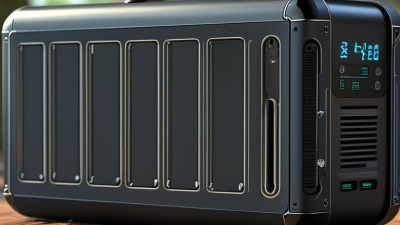
Multi-ports offer convenience. A device with several outputs allows you to charge multiple devices simultaneously. This can be especially useful when traveling or during group outings. However, it's crucial to ensure that the total output meets your devices' requirements. Sometimes, the total output can be insufficient, leading to slower charging times. Prioritizing these features will help you select a power bank that meets your needs effectively.





 Mr. Leaf