How to Choose the Best Battery Power Bank for Your Needs?
In today's digital world, staying charged is crucial. The demand for Battery Power Banks has surged significantly. According to a report by Grand View Research, the global power bank market is projected to reach $32 billion by 2025. This growth reflects consumers' need for reliable portable charging solutions.
Choosing the right Battery Power Bank can be daunting. Each product varies in capacity, size, and charging speed. Statistics from Statista indicate that 48% of users seek fast charging capabilities in their power banks. However, many overlook essential features like battery life and durability. Often, the cheapest option may lead to dissatisfaction due to subpar performance.
Navigating through numerous choices requires careful consideration. Authentic user reviews can offer insights into reliability. Brands like Anker and RAVPower have established authority in this segment. Their products often receive high ratings for longevity and efficiency. It’s important to reflect on personal usage habits. Assessing daily needs will help determine the best fit for you.
Factors to Consider When Choosing a Battery Power Bank
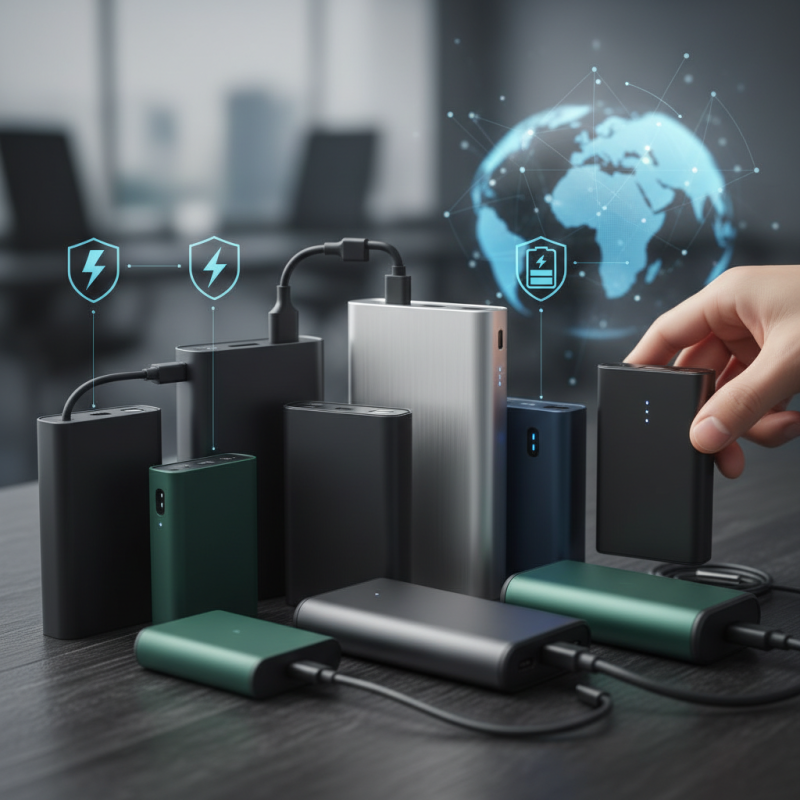
When choosing a battery power bank, capacity is crucial. Capacity is measured in milliampere-hours (mAh). A higher mAh means more power. For instance, a 20,000mAh power bank can charge most smartphones several times. Consider your devices' needs. If you travel frequently, a larger capacity can be a lifesaver. It allows multiple charges without seeking an outlet.
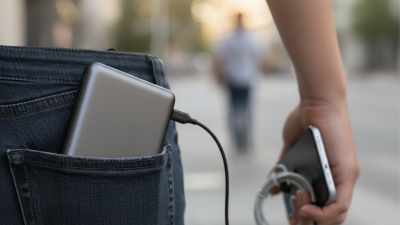
Portability matters too. A bulky power bank can be inconvenient. Aim for a balance between capacity and size. Some models are lightweight and slim, fitting easily in your bag. Durability is another factor. Look for a power bank with a sturdy casing. This ensures longevity and protects it from accidental drops.
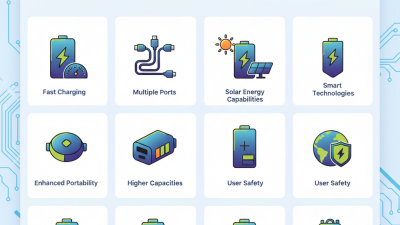
Charging speed is often overlooked. Look for power banks with fast charging technology. It can significantly reduce downtime for your devices. Finally, evaluate connectivity options. Multiple USB ports can charge several devices simultaneously. Having extra features like built-in cables or LED indicators can enhance functionality. Be mindful, though, that these extras might increase the price.
Battery Power Bank Capacity Comparison
Types of Battery Power Banks Available in the Market
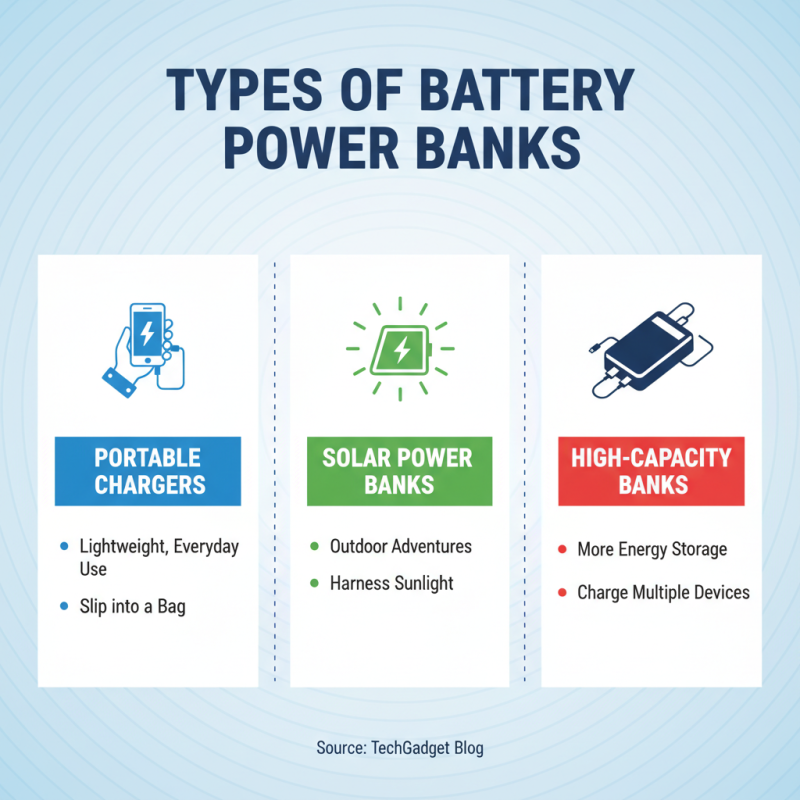
When considering battery power banks, it’s essential to understand the different types available in the market. The most common categories are portable chargers, solar power banks, and high-capacity banks. Portable chargers are lightweight and designed for everyday use. You can easily slip them into a bag. Solar power banks are perfect for outdoor adventures since they harness sunlight for charging. High-capacity banks store more energy, making them suitable for heavy users or multiple device charging.
Tips: Always check the output power. This affects charging speed. A higher output means faster charging. Look for at least 2.1A for smartphones. For tablets, aim for 2.4A or more.
Another type is multi-device chargers. These can charge several devices simultaneously. They save time and are convenient for families or groups. Consider design and ergonomics too. An awkwardly shaped bank can be hard to handle. Make sure it feels right in your hand.
Tips: Read reviews before purchasing. Real user feedback helps identify weaknesses. Some products may claim high capacity but deliver less. Don't overlook warranty and customer support. A reliable brand is crucial for long-term use.
Determining the Right Capacity for Your Power Needs
Choosing the right capacity for a battery power bank is crucial. Many users underestimate their charging needs, leading to frustration. The capacity of power banks is measured in milliamp hours (mAh). A common requirement for smartphones is 3,000 to 4,000 mAh. However, many users forget that tablets require much more, often up to 10,000 mAh.
Research indicates that a power bank with a capacity of 10,000 mAh can charge most smartphones two to three times. Energy efficiency plays a role too. Not all capacity is usable due to energy loss during charging. A study found that typical efficiency rates are around 70-90%. Therefore, opting for a higher capacity can mitigate these losses.
An important aspect to consider is how often you are away from power sources. Frequent travelers or outdoor enthusiasts may require larger capacities. In contrast, casual users might find smaller options sufficient. It's essential to evaluate your usage. Reflecting on your routine can help determine the ideal capacity for your lifestyle. Balancing convenience and practicality is key in your decision-making process.
Evaluating Charging Speed and Output Options
When considering a power bank, charging speed is paramount. A quick charge can significantly enhance your daily routine. Look for power banks with multiple output options. These options provide flexibility for different devices. A power bank that supports fast charging technology is crucial for speeding up the charging process. Many devices now include features that allow for rapid energy transfer, maximizing efficiency.
Output options can vary widely among power banks. Some models offer multiple ports, ideal for charging several devices simultaneously. Others may feature different voltage outputs. This versatility can be particularly helpful when you have both a smartphone and a tablet. It's essential to match the output with your device’s requirements. Otherwise, you may face slower charging speeds or even damage your devices.
Not every power bank’s specifications are clear-cut. Some may advertise quick charging but fail in real-world performance. User reviews and testing experiences can shed light on these discrepancies. Reflecting on these evaluations ensures that you choose a power bank aligned with your needs. Investing time into understanding these factors can lead to a more satisfying purchase.
Assessing Portability and Design Features of Power Banks
When selecting a power bank, portability and design features are crucial. A study by Statista indicates that 44% of consumers prioritize a slim and lightweight design. This usability factor impacts how often users carry their power banks. A compact design ensures you can easily fit the device in a pocket or bag, promoting regular use.
Battery capacity is another key feature. A widely accepted standard is a capacity around 10,000mAh, providing enough power for multiple charges without excessive bulk. However, achieving a balance between power and size can be challenging. Some models may compromise on aesthetics for functionality. Users might find non-ergonomic designs uncomfortable or clunky.
Material also influences both weight and durability. Power banks made from high-quality plastics or aluminum are more reliable over time. According to industry reports, 36% of users reported issues with devices that were too fragile. Therefore, when assessing design, think about not just weight but robustness. Finding the right balance may require some trial and error, emphasizing the need for hands-on evaluation before purchase.



 Mr. Leaf