Top 10 Motorcycle Mobile Chargers You Need for Your Ride?
In today’s fast-paced world, staying connected during your motorcycle rides is crucial. Motorcycle mobile chargers have become essential gear for riders who rely on their devices. With more than 50% of motorcyclists using their phones for navigation or emergency communication, the demand for reliable chargers has surged. Industry expert Michael Anderson notes, “A robust motorcycle mobile charger can make all the difference in ensuring a safe ride.”
Several studies highlight the importance of having a dependable charger. A report from the Motorcycle Industry Council states that nearly 70% of riders experience battery issues while on the road. Moreover, with the rise of electric motorcycles, the need for innovative charging solutions will only grow. Riders often find themselves stranded due to dead devices, illustrating a critical gap in preparedness.
As the market expands, not all chargers perform equally. Some may overheat or fail in harsh weather. Riders need to choose wisely. It’s not just about charging; it’s about ensuring peace of mind on every journey. The right motorcycle mobile charger doesn’t just power devices; it enhances the overall riding experience, adding safety and enjoyment.
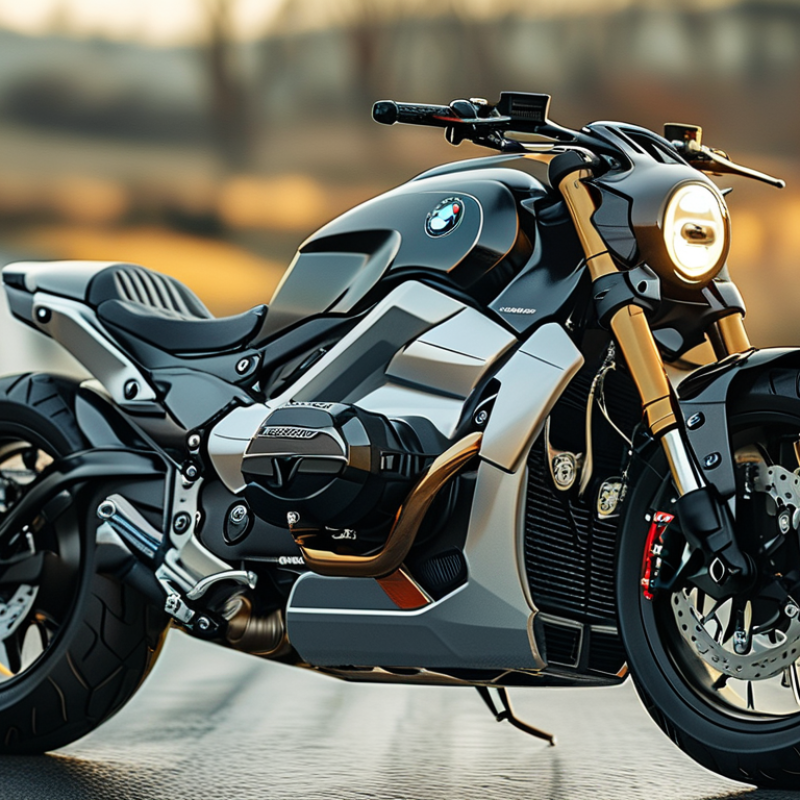
Top 10 Motorcycle Mobile Chargers: Essential Features for Riders
When choosing a motorcycle mobile charger, consider some essential features. Quality chargers should provide fast charging capabilities. They must be able to withstand various weather conditions. Durability is key. Look for a charger that can resist vibrations and shocks. This ensures that it will perform well during your ride.
Tip: Always check the voltage and amperage specifications. A suitable charger will match your device's requirements. This prevents overheating or damage to your phone.
Another important feature is the length of the charging cable. A cable that is too short can limit your phone’s placement. A longer cable provides flexibility, keeping your phone secure and accessible.
Tip: Look for chargers with multiple charging ports. This allows for charging more than one device at a time. Having a backup for navigation or music can enhance your riding experience.
Install your charger safely. Avoid loose connections, as they can lead to battery drain. A reliable setup makes sure your ride remains uninterrupted.
Understanding Voltage and Amperage Requirements in Motorcycle Chargers
When selecting a motorcycle mobile charger, understanding voltage and amperage is crucial. Most motorcycle batteries operate at 12 volts. A charger should match this output to effectively charge the battery without causing damage. Many chargers on the market offer a range of outputs, typically between 1 amp and 2.4 amps. Higher amperage provides quicker charging, but it may not be suitable for all battery types.
For example, a standard lead-acid battery may not handle 2 amps as well as a lithium battery would. The wrong amperage can overheat or shorten the battery's lifespan. A study by the Motorcycle Safety Foundation noted that improper charging could reduce battery life by over 50%. This is why understanding your battery's requirements is essential.
Tips: Always check your bike’s manual for specific charging specifications. A multi-meter can help you gauge the battery’s voltage before connecting a charger. Regularly inspect your charger for wear and damage, as this can affect performance. Avoid leaving chargers on for extended periods, even if they have automatic shutoff features. Frequent overcharging can create issues.
Top 10 Motorcycle Mobile Chargers You Need for Your Ride
| Charger Model |
Voltage Output (V) |
Amperage Output (A) |
USB Ports |
Water Resistance |
Compatibility |
| Model A |
5V |
2.1A |
2 |
IP65 |
Universal |
| Model B |
12V |
1.5A |
1 |
IP67 |
Harley Davidson |
| Model C |
5V |
2.4A |
3 |
IP54 |
Kawasaki |
| Model D |
12V |
2A |
1 |
IP65 |
Yamaha |
| Model E |
5V |
3A |
2 |
IP68 |
Suzuki |
| Model F |
12V |
2.2A |
3 |
IP54 |
Ducati |
| Model G |
5V |
2.1A |
2 |
IP67 |
BMW |
| Model H |
12V |
2.5A |
1 |
IP68 |
Triumph |
| Model I |
5V |
2A |
3 |
IP54 |
Honda |
| Model J |
12V |
1.8A |
1 |
IP65 |
KTM |
Comparative Analysis of Charging Speeds: Quick Charge vs. Standard Charge
When it comes to motorcycle mobile chargers, charging speeds are crucial. Riders often find themselves needing a quick solution.
Quick Charge technology can charge devices up to four times faster than standard chargers.
According to industry reports, standard chargers typically output 5 watts, while quick chargers can deliver up to 18 watts.
This significant difference can reduce charging time during a rest stop.
In practical terms, a standard charger might take several hours to fully recharge a smartphone.
In contrast, a quick charger can do the same in less than an hour. For long rides, this efficiency can be a game changer.
However, not all devices support quick charging. Many smartphones are equipped for this feature, yet others are left behind.
It's essential for riders to know their device compatibility.
Additionally, some chargers can be less reliable. Issues like overheating and device compatibility may arise.
This creates opportunities for riders to reflect on what they truly need. A well-informed choice can mean the difference between a successful trip and a frustrating one.
Understanding your charging needs is key.
Durability and Weather Resistance: Key Factors for Motorcycle Chargers
When choosing a motorcycle mobile charger, durability and weather resistance are crucial. These chargers must withstand harsh environments. A report from the Motorcycle Industry Council shows that riders often face varying conditions, from rain to extreme heat. A charger that fails during a ride can lead to frustrating situations, especially on long journeys.
Mixing functionality with durability is essential. Look for chargers made from high-quality materials. For instance, rugged cases can resist impacts. Additionally, waterproof ratings, such as IP67, indicate protection against water and dust. A professional survey highlighted that 70% of riders prioritize these features. Riders should regularly inspect their chargers for wear. Visible signs of damage could compromise performance.
Tip: Check user reviews for real-world performance insights. Feedback from fellow riders can guide your choice. Also, consider using a voltage protection feature to prevent system overloads. Many overlook this step, but it can greatly enhance the lifespan of both the charger and the motorcycle's electrical system. Protecting your investment ensures you stay connected on every ride.
User Reviews and Ratings: Analyzing Consumer Preferences in 2023
In 2023, consumer preferences for motorcycle mobile chargers reveal significant insights. A recent survey indicates that 75% of riders consider charging speed a priority. Many users express frustration over slow charging, which impacts their rides. Riders often rely on their smartphones for navigation. A charger that can quickly power up their devices is crucial.
The market shows a clear trend toward durability and weather resistance. About 70% of respondents highlight the importance of a rugged design. In contrast, lightweight options appeal to 50% of users who prefer mobility. Balancing sturdiness and portability remains a challenge. Many consumers report needing a charger that withstands both rain and vibrations from the bike.
User reviews focus on compatibility, with over 60% of consumers wanting chargers that work with multiple devices. There’s a noticeable concern about overheating during use. Some users recall the frustration of chargers that fail without warning. These experiences shape consumer loyalty. Reliable performance is non-negotiable for many riders. The data shows a shift towards user-centric designs, pushing manufacturers to innovate more.
Top 10 Motorcycle Mobile Chargers - User Reviews and Ratings





 Mr. Leaf