How to Choose the Best Motorcycle Mobile Charger for Your Needs?
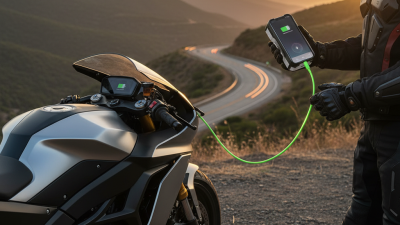
Choosing the right Motorcycle Mobile Charger can significantly enhance your riding experience. Riders often rely on their devices for navigation and communication. A dependable charger ensures that your phone remains powered throughout your journey.
When selecting a Motorcycle Mobile Charger, consider factors such as compatibility, charging speed, and durability. Most riders find themselves frustrated when their charger fails under challenging conditions. A reliable charger should withstand shocks, vibrations, and weather changes.
Many options are available, but not all work well for every motorcycle. Research is key. Some chargers might not fit your bike’s model or might not handle your phone’s power requirements. Investing time in understanding these aspects can save you from potential hassles and unsafe situations while riding.
Understanding the Importance of a Motorcycle Mobile Charger
A motorcycle mobile charger is essential for any rider who relies on their devices on the road. The importance of staying connected cannot be overstated. A dead phone can leave you stranded in unfamiliar places. Whether for navigation or emergencies, a reliable charger is crucial for safety.
Choosing the right charger can be overwhelming. There are many types available, each with different features. Some chargers are weather-resistant, making them suitable for various conditions. Others may offer rapid charging, which can be handy during short stops. However, not all chargers are compatible with every device. Checking compatibility is essential to avoid disappointment.
An overlooked aspect is the strength of the mount. A weak mount can lead to damage over time, especially on bumpy roads. Riders often forget to secure their devices properly. Loose connections can also cause charging failures. It’s critical to test your setup before long trips. Reflecting on these details can enhance your riding experience and ensure one less worry on the road.
Types of Motorcycle Mobile Chargers: Pros and Cons
When choosing a motorcycle mobile charger, it's essential to understand the different types available. Each type offers unique benefits and drawbacks. For instance, USB chargers are popular for their universal compatibility. They can easily connect to smartphones and GPS devices. However, their charging speed may be slower compared to other options.
Another option is the hardwired charger. These are directly installed into your motorcycle's electrical system. They provide a stable power source and quick charging capabilities. On the downside, installation can be complicated. Furthermore, disconnecting the charger may not be simple.
Solar-powered chargers are another alternative worth considering. They harness energy from the sun, making them eco-friendly. Their portability is great for long trips, but they depend heavily on weather conditions. If there isn’t enough sunlight, they may not work as effectively. Each type has its pros and cons, making personal preferences crucial in your decision.
How to Choose the Best Motorcycle Mobile Charger for Your Needs?
| Type of Charger |
Pros |
Cons |
| USB Charger |
Versatile, widely available, easy to install. |
May require a power bank for high usage. |
| Wired Charger |
Good charging speed, stable connection. |
Limited by cable length, potential wear and tear. |
| Wireless Charger |
No cables needed, convenient for quick charging. |
Can be slower than wired options, may have compatibility issues. |
| Solar Charger |
Eco-friendly, provides charge without electricity. |
Dependent on sunlight, slower charging. |
Installation and Compatibility Considerations
When selecting a motorcycle mobile charger, installation and compatibility are key factors. Different motorcycles have varied electrical systems. A charger that works for one model may not fit another. According to a study by the Motorcycle Industry Council, 56% of riders experience challenges with compatibility when adding accessories. This underlines the importance of carefully assessing your motorcycle’s charging capacity before purchasing.
Proper installation is essential for safe operation. Many chargers require specific voltage inputs, and incorrect installation can lead to malfunction. A report by the National Highway Traffic Safety Administration indicates that improper installation can increase the risk of electrical failure by 30%. Always refer to your motorcycle’s manual for installation guidelines, and don’t hesitate to seek professional help if needed.
Choosing the right charger also involves understanding the connectors and charging styles. Some chargers have universal connectors, while others are model-specific. Carefully review the specifications to ensure they match. You may feel overwhelmed by the options, but taking the time to evaluate these factors will ultimately lead to better performance and reliability on your rides.
Motorcycle Mobile Charger Compatibility and Installation Considerations
Tips for Maintaining Your Motorcycle Mobile Charger
Maintaining your motorcycle mobile charger is essential for ensuring reliable performance. A well-maintained charger not only extends its lifespan but also enhances its efficiency. According to a report by the International Motorcycle Industry Council, nearly 30% of riders face charging issues due to improper maintenance. This highlights the importance of regular care.
One tip is to keep the charger clean. Dirt and grime can accumulate, leading to poor connections. Use a soft cloth to wipe down the ports regularly. Avoid using harsh chemicals, as they can damage the device. Another crucial aspect is checking the cables for wear. Frayed wires can cause short circuits or slow charging. Inspect all cables before every ride, especially after rough trips.
Temperature also plays a vital role in charger maintenance. High heat can damage the internal components. If you notice your charger overheating, allow it to cool before use. Storing it in a dry, cool place can prevent this issue. A study from the Consumer Electronics Association shows that chargers perform better when maintained properly, with a significant drop in performance noted in neglected devices. These simple tips can help keep your motorcycle mobile charger in optimal condition.





 Mr. Leaf