2026 Top Lightweight Power Bank Features Buyers Must Know?
As technology advances, consumer demands evolve. The lightweight power bank market is growing rapidly. According to a recent market report by Grand View Research, the global power bank market size is expected to reach $12 billion by 2026. This surge highlights the need for innovation, particularly in lightweight designs.
Modern users seek convenience without sacrificing performance. Lightweight power banks appeal to travelers and busy professionals. They prioritize portability while ensuring reliable device charging. A low weight doesn't mean low capacity, though. Some models demonstrate impressive energy output, giving users confidence on the go. This balance raises questions about durability and battery life, parts often overlooked in the lightweight category.
In 2026, buyers must be cautious. Not all lightweight power banks are created equal; some may not meet expectations. It’s essential to consider features like charging speed, build quality, and additional functionalities. Real-world performance can vary. As preferences evolve, ensuring reliability in a lightweight power bank becomes paramount.
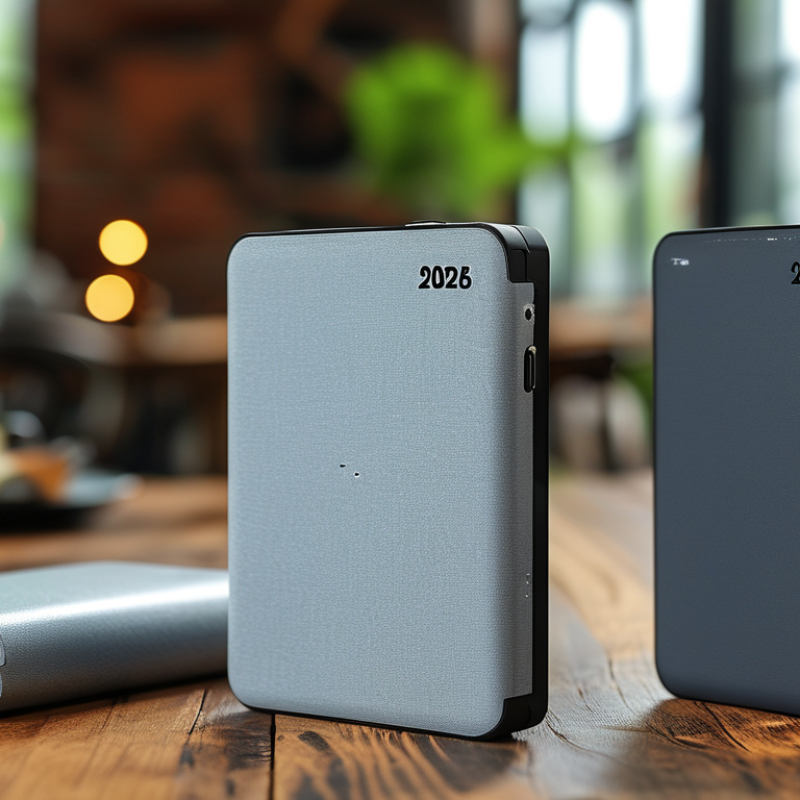
Top Lightweight Power Bank Capacity: Understanding mAh Ratings in 2026
When considering a lightweight power bank, understanding its mAh rating is vital. The mAh, or milliampere-hour, measures the power capacity of the device. A higher mAh rating means the power bank can charge your devices more times. For example, a 10,000 mAh power bank might fully charge a smartphone two to three times, depending on the device's battery size.
In 2026, many models boast impressive ratings. However, you also need to consider weight and size. A lightweight power bank shouldn’t compromise portability. Some high-capacity power banks can be bulky, which defeats their purpose. You should look for ones that balance capacity and ease of use.
The design also influences usability. Some designs, despite their high mAh ratings, might not fit in your pocket or bag easily. The charging speed is another aspect to think about. A power bank with a high mAh rating might not charge devices quickly. This can be frustrating when you're in a hurry. Always read reviews before making a purchase. Understanding these factors can guide you to a better choice.
Essential Charging Speed: Evaluating Output Power (Wattage) for Fast Charging
When evaluating power banks, charging speed is crucial. Output power, measured in watts, significantly affects how quickly devices recharge. The industry standard suggests that a higher wattage leads to faster charging times. According to a recent report by the International Electrotechnical Commission, power banks offering at least 18 watts can typically charge most smartphones to about 50% within 30 minutes.
However, many users might overlook this when choosing a power bank. Not all devices can utilize high wattage. Some smartphones and gadgets limit input power to minimize heat. Thus, while having a high-output power bank is advantageous, it's essential to check device compatibility. A power bank with 10 watts is often sufficient for basic devices. Yet, for power-hungry devices, a bank with 30 watts might be needed.
Furthermore, the charging method plays a pivotal role. Fast-charging technologies like USB Power Delivery (PD) can optimize the charging process. Yet, not every power bank features these capabilities. A power bank’s design and its internal circuitry can also affect performance. Issues such as overheating or inefficiency can arise without proper engineering. Understanding these facets makes users more educated in their purchases.
2026 Top Lightweight Power Bank Features Buyers Must Know?
| Model |
Capacity (mAh) |
Output Power (W) |
Charging Speed (0-50% in minutes) |
Weight (g) |
Dimensions (mm) |
| Model A |
10000 |
18 |
30 |
200 |
150 x 70 x 15 |
| Model B |
20000 |
22.5 |
40 |
250 |
160 x 80 x 20 |
| Model C |
30000 |
30 |
60 |
350 |
170 x 90 x 25 |
| Model D |
15000 |
15 |
35 |
230 |
155 x 75 x 17 |
Size and Portability: The Importance of Design in Lightweight Power Banks
When selecting a lightweight power bank, size and portability are crucial. A compact design enhances usability, making it easier to carry in a pocket or a small bag. Many users seek a balance between capacity and size. While larger batteries provide longer charging times, they can compromise portability. This presents a dilemma for those on the go.
Design plays a significant role in these devices. Smooth edges and lightweight materials improve their overall comfort and handling. Some power banks utilize a slim profile, minimizing bulk without sacrificing power. However, this can lead to a trade-off in durability. A thin design may not withstand accidental drops as well. Users often overlook this aspect, only to realize later that sturdiness matters.
Additionally, color and texture can change how a power bank feels in everyday use. A non-slip surface may enhance grip during use. Yet, opting for a unique design might lead to a higher price point. Finding the right power bank can be challenging. Balancing weight, power, and design requires careful consideration and commitment.
Safety Features: Analyzing Protection Mechanisms in Modern Power Banks
When considering a lightweight power bank in 2026, safety features should be prioritized. Modern power banks incorporate various protection mechanisms to ensure user safety. Overcurrent protection is essential. It prevents excessive electricity flow that could damage devices. Overvoltage protection also plays a vital role. It stops spikes in voltage from harming your gadgets.
Temperature control mechanisms are crucial in today’s power banks. They can detect excessive heat and shut down. This prevents potential fires. Short circuit protection is another important feature. It mitigates risks when there's a direct connection between the positive and negative terminals. While many power banks have these features, not all guarantee reliability. Consumers need to research thoroughly.
Despite advancements, some safety mechanisms can still fail. Manufacturing defects sometimes occur, leading to hazardous situations. User errors, such as using incompatible cables, can also create risks. It's important to reflect on these issues when choosing a power bank. Always consider devices that have undergone rigorous testing. Look for certifications that assure safety, but be aware: no device is infallible. Knowledge and caution are essential in making an informed choice.
Compatibility Insights: Key Factors for Universal Device Support in 2026 Power Banks
When considering the purchase of a lightweight power bank in 2026, compatibility is key. Many devices use different charging standards. Ensuring that a power bank supports USB-C, Lightning, and Micro-USB connectors will enhance versatility. Buyers should check if it supports fast charging. This feature is crucial for devices with larger batteries.
Tips: Look for power banks with multiple outputs. More options mean you can charge multiple devices at once. It's a practical choice for users who share power banks.
Additionally, researchers indicate that not all power banks handle power distribution equally. Some may prioritize certain ports over others, leading to slower charging times for specific devices. Investigating user reviews can shed light on real-world performance.
Tips: Monitor user feedback on compatibility and charging speeds. This information can guide your selection process. Always choose a power bank that aligns with your devices and needs. Compatibility should never be an afterthought.



 Mr. Leaf