China Best Portable Power Bank for Global Buyers?
In today's fast-paced world, staying connected is essential. The Portable Power Bank has become a lifeline for many. Travelers, professionals, and students rely on it to keep their devices charged. But are all power banks created equal?
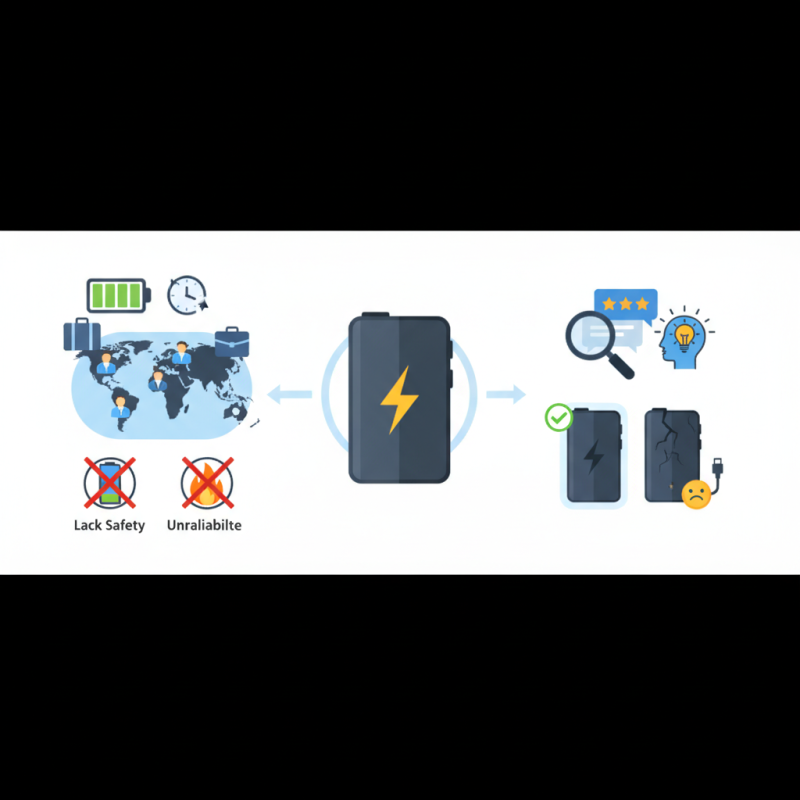
Chinese manufacturers lead the market with innovative designs and features. These power banks offer impressive battery capacities and quick charging capabilities. However, not every power bank from China is reliable. Some lack essential safety features, raising concerns about their performance.
Finding the best Portable Power Bank requires research and critical thinking. Buyers must consider quality over price. Reviews and expert opinions can guide the decision-making process. The right power bank can enhance your daily life, but a poor choice could lead to frustration. Choosing wisely is paramount.
China's Emerging Role in the Global Portable Power Bank Market
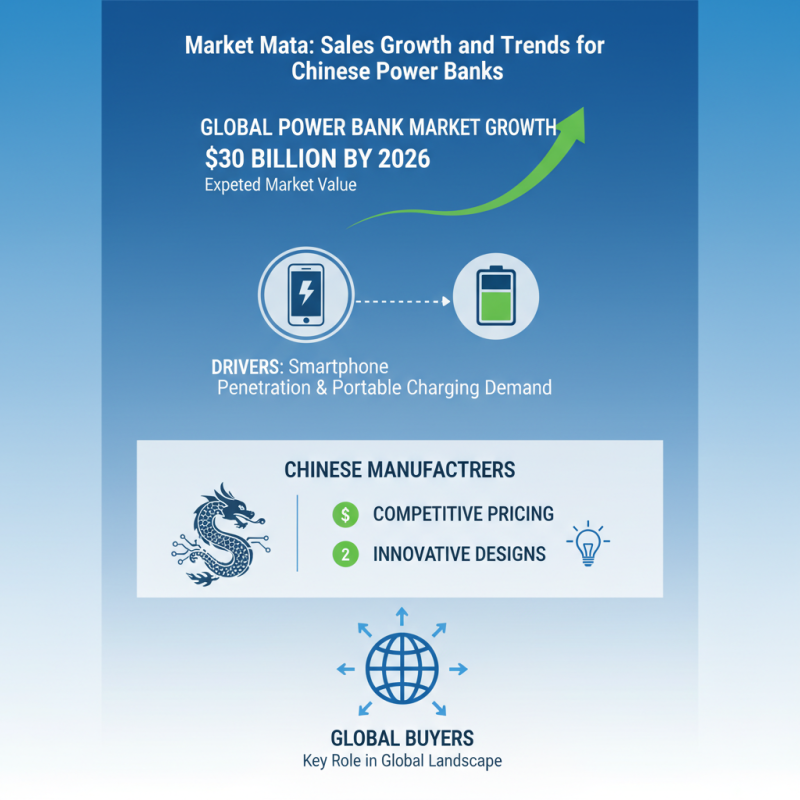
China is rapidly emerging as a dominant player in the global portable power bank market.
Data from industry reports indicate that the market is projected to grow significantly, reaching an estimated value of $11 billion by 2026. China's production capabilities and technology advancements play a pivotal role in this rise, making it a hub for power bank manufacturers.
The innovation within Chinese factories is noteworthy. Many manufacturers are investing heavily in R&D to enhance battery efficiency and safety. However, some critiques highlight inconsistencies in product quality. Reports suggest that while some units exceed expectations, others fall short due to inadequate testing processes. This inconsistency raises questions about reliability for global buyers.
Moreover, as consumer electronics become increasingly power-hungry, the demand for portable power banks is surging. Research indicates that over 60% of users prefer lightweight and high-capacity options. Yet, the challenge remains. Can manufacturers consistently deliver high-quality products that meet diverse consumer needs? The industry's landscape is shifting, and staying competitive requires ongoing improvements and transparent practices.
Analysis of Battery Technologies Used in China's Leading Power Banks
China has become a hub for portable power bank innovation,
focusing on various battery technologies that cater to global needs.
Lithium-ion batteries dominate the market, accounting for
approximately 75% of portable power bank sales as per recent industry reports.
These batteries offer a suitable balance of energy density and recharge cycles, making them ideal for everyday use.
However, as the market evolves, manufacturers have started exploring alternatives.
Lithium-polymer batteries present significant advantages in terms of size and weight,
appealing to consumers looking for sleek designs. They are about 10% lighter than their lithium-ion counterparts.
Despite these benefits, lithium-polymer batteries generally have a shorter lifespan,
which raises questions about sustainability.
The future of power bank technology may well include advancements like
solid-state batteries.
These batteries promise increased safety and energy efficiency.
However, production costs remain a barrier. While manufacturers aim for innovation,
it’s essential to consider efficiency and longevity.
As demand grows, the challenge will be balancing performance with environmental impact.
This reflection on technology usage is vital as buyers become more discerning.
Key Features That Define Consumer Preferences in Power Banks
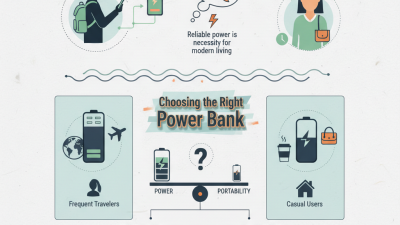
When choosing a portable power bank, several key features stand out. Battery capacity is crucial. A higher mAh rating allows for multiple charges of devices. Consumers often prefer capacity that meets their daily needs without frequent recharging. Portability matters too. A lightweight design should make it easy to carry on commutes or trips.
Tips: Look for power banks that have both USB-A and USB-C ports. This versatility allows you to charge various devices. Additionally, consider models with fast-charging capabilities for quick top-ups.
Another important aspect is durability. Power banks made with robust materials can withstand everyday wear and tear. Some users may overlook this, leading to disappointing experiences when their device fails. Check for warranties or customer reviews regarding reliability.
Tips: Prioritize brands that have received positive feedback for product longevity. Research how long their products last in real-life situations. Consider the charging speed as well. Shorter charging times can enhance your mobile experience, especially during travel.
China Best Portable Power Bank for Global Buyers? - Key Features That Define Consumer Preferences in Power Banks
| Feature |
Description |
Consumer Preference (%) |
| Battery Capacity |
Higher capacities are preferred for longer usage without recharging. |
78% |
| Fast Charging |
Ability to charge devices quickly is highly sought after. |
85% |
| Weight and Portability |
Lightweight designs that are easy to carry are preferred. |
72% |
| Multiple Output Ports |
Having several ports for charging multiple devices simultaneously. |
67% |
| Durability |
Robust designs that can withstand everyday wear and tear. |
65% |
| Brand Reputation |
Preference for well-known brands perceived as reliable. |
70% |
| Price |
Affordability while maintaining quality is a key concern. |
75% |
Comparative Review: Chinese Power Banks vs. International Brands
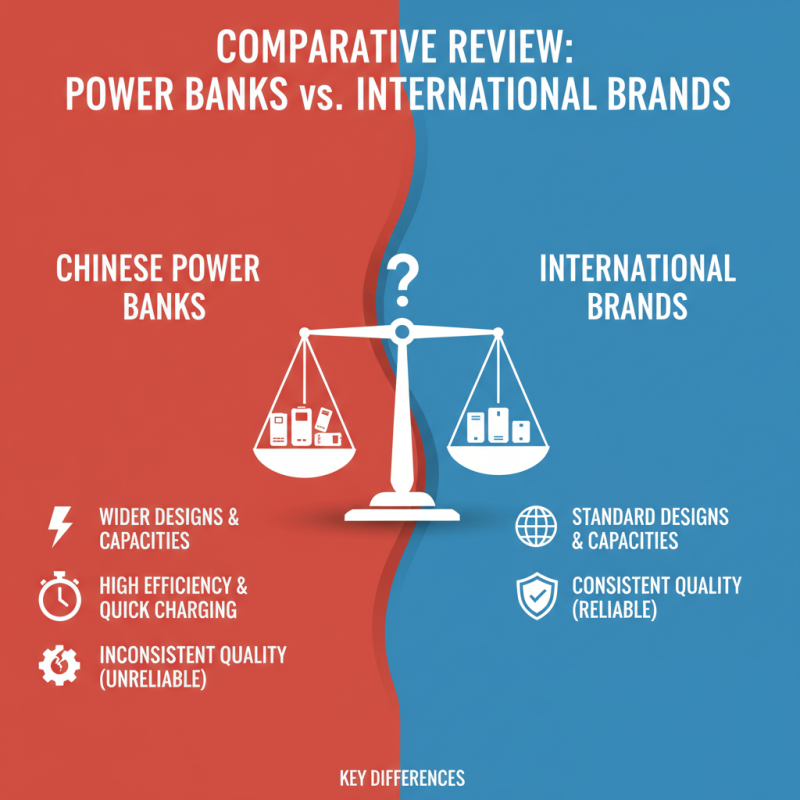
When comparing Chinese power banks to international brands, several key differences emerge. Chinese manufacturers often offer a wider range of designs and capacities. Many exceed expectations with high efficiency and quick charging capabilities. However, some may lack consistency in quality control. This inconsistency can lead to unreliable performance, raising concerns for potential buyers.
International brands typically prioritize safety and customer support. They have established reputations for reliability. Many offer warranties and extensive compatibility with various devices. However, their price tags can be higher, sometimes limiting accessibility for budget-conscious consumers.
**Tips**: When choosing a power bank, consider your personal needs. Assess battery capacity, charging speed, and overall build quality. Always check for safety certifications to ensure a trustworthy purchase. Be wary of enticing low prices; they may come with hidden trade-offs. Examine customer reviews for insights on real-world performance.



 Mr. Leaf