Top 10 Laptop Power Banks for Ultimate Portability and Performance?
As technology advances, the demand for portability in our devices increases. A Laptop Power Bank has become essential for many professionals and students. According to a recent report by Allied Market Research, the global portable power bank market is expected to grow significantly, with an estimated value of $30 billion by 2027. This growth reflects our reliance on constant connectivity and energy.
Laptop Power Banks not only provide convenience but also enhance productivity. Users can work remotely without worrying about battery life. In an age where many laptops have limited battery capacities, a reliable power bank is crucial. Despite their benefits, not every Laptop Power Bank meets performance expectations. Discrepancies in charging speed and compatibility can frustrate users, highlighting the importance of thorough research.
When selecting a Laptop Power Bank, professionals should consider factors like capacity, portability, and safety features. While many models offer impressive specs, some fall short in real-world performance. It's important to find a balance between power and practicality. This article explores the top 10 Laptop Power Banks that excel in portability and performance, ensuring you stay charged on the go.
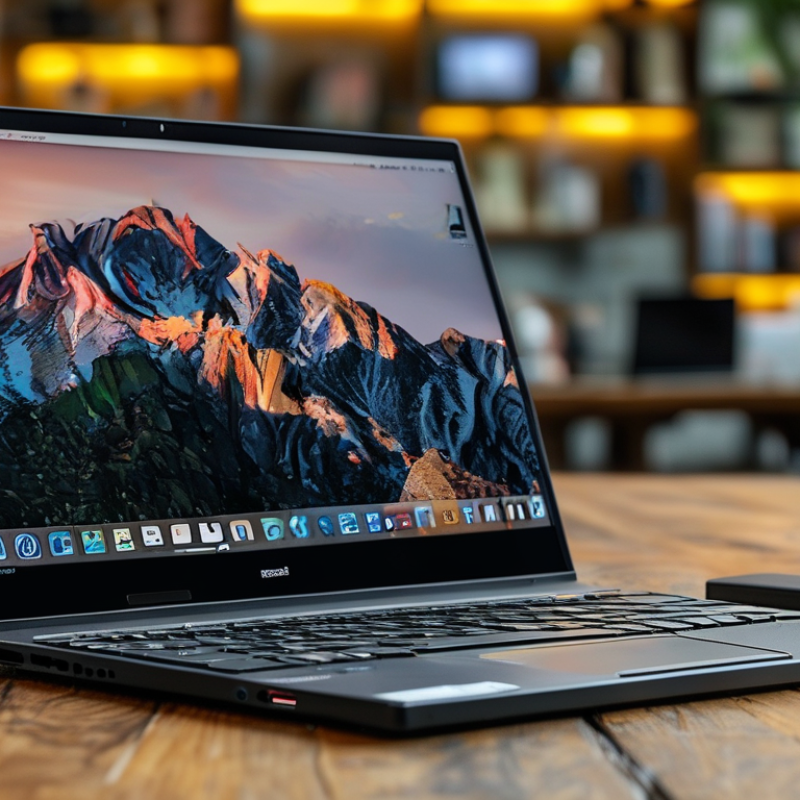
Top 10 Laptop Power Banks: Essential Features for Portability
When selecting a laptop power bank, portability is crucial. Look for compact designs that easily fit into bags. Weight also matters. A lighter power bank enhances mobility without adding bulk. Some designs even include built-in cables, minimizing extra items to carry.
Beyond size and weight, battery capacity impacts performance. Aim for a power bank with enough watt-hours to recharge your laptop fully at least once. Fast charging capabilities are also a plus. They reduce downtime, making your workflow smoother.
Check compatibility with your laptop's charging requirements. Not all power banks provide sufficient voltage. Thought it seems straightforward, many overlook this. Always read the specifications carefully. A reliable power bank can save you from unexpected issues on the go.
Capacity and Output Specifications: What to Look For in Power Banks
When choosing a laptop power bank, capacity and output specifications are crucial. A good power bank should have a minimum capacity of 20,000 mAh to effectively charge modern laptops. Many laptops require at least 45 watts for quick charging. According to a report from the International Energy Agency, portable chargers with higher wattage outputs, like 60W or 100W, can significantly reduce charging time.
Look for power banks with multiple output ports. This feature allows users to charge different devices simultaneously. Some reports indicate that devices with at least two USB-C ports cater to the needs of users who own multiple gadgets. In practical terms, a power bank that supports Power Delivery (PD) can provide fast charging for compatible devices. Users can find these specifications in the product description. However, not all power banks offer the same efficiency. Users may encounter products that do not perform as advertised. Therefore, reviewing user feedback is vital to ensure a reliable choice.
For those who travel frequently, compactness is paramount. A power bank that is too heavy or bulky can become a burden. It's important to balance portability with performance, as larger batteries can weigh more. Evaluating the trade-offs between size and capacity is essential. Be cautious and consider how often you will use the power bank. Making informed choices can lead to a more satisfactory experience.
Battery Technologies: Lithium-Ion vs. Lithium Polymer in Power Banks
Battery technology is crucial when selecting a power bank. The two most common types are lithium-ion and lithium polymer. Both have their advantages and disadvantages. Lithium-ion batteries tend to be more energy-dense. They provide more power in a smaller size, which is ideal for portable devices. However, they are also heavier. This weight can be a concern for those prioritizing mobility.
Lithium polymer batteries are different. They are lighter and can be shaped into various designs. This flexibility allows for slimmer power banks. However, lithium polymer batteries often have a lower energy density. They may not hold a charge as long as their lithium-ion counterparts. Users might find themselves recharging these power banks more frequently.
Choosing between the two depends on personal needs. If you want maximum power in a compact form, lithium-ion might be the way to go. On the other hand, if portability and weight are your main concerns, lithium polymer may be more suitable. It’s important to assess your priorities carefully. The perfect choice might not exist, and some trade-offs will always be involved. Each option has unique strengths and weaknesses.
Performance Metrics: Charge Cycles and Efficiency Ratings Explained
When evaluating laptop power banks, performance metrics are crucial. Charge cycles refer to how many complete charging cycles a power bank can sustain before its capacity significantly declines. A good power bank typically offers about 500 to 1,000 charge cycles. However, some models might only last around 300 cycles, which can be disappointing for frequent travelers. Longevity is essential, as a short lifecycle can lead to increased costs.
Efficiency ratings also play a significant role in your choice. A power bank with 90% efficiency will lose less energy during charging. Conversely, lower efficiency ratings can drain your power bank faster than expected. According to industry reports, power banks can vary widely in efficiency, with some products displaying less than 70% efficiency. For users who rely on their devices for work or entertainment, this can result in frustration.
The portability of a power bank should not compromise its performance. Many smaller power banks struggle with storing enough energy to be practical. However, larger models often offer more power, but they become cumbersome. Finding the right balance between size, charge cycles, and efficiency is essential. This journey may require trial and error, emphasizing the importance of making informed choices based on data and wear-and-tear experiences.
Top Models Compared: Industry Reviews and User Feedback Insights
When considering the best laptop power banks, it's essential to analyze user reviews and professional insights. Many users appreciate a compact design paired with high capacity. However, some models fall short in lightweight portability, making them cumbersome for daily commutes. Others might offer great performance, but customer feedback highlights issues such as overheating or slow charging. Striking a balance between power and portability remains a challenge.
For optimal usage, check the compatibility of the power bank with your laptop. Not all power banks deliver the same output. Reading reviews can highlight which models perform best in real-world scenarios. It’s crucial to look for products that users note as reliable over time. Frequent traveling demands durable options that won't fail unexpectedly.
Choosing a power bank isn't just about specs. User experiences reveal that often overlooked details, like charging time and heat generation, play significant roles. Researching before purchasing is wise. Understand your needs clearly. Find a power bank that fits within your lifestyle, while also ensuring it meets your digital demands. Not all power banks are created equal, and quality varies widely in the market.



 Mr. Leaf