Top Portable Power Banks for Global Buyers in 2026?
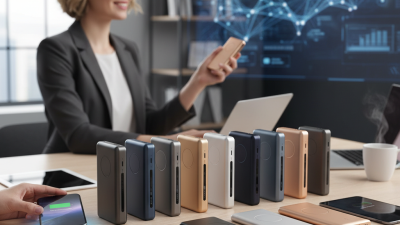
As the world becomes increasingly mobile, the demand for reliable Portable Power Banks continues to rise. In 2026, consumers will seek power banks that not only offer robust charging capabilities but also cater to diverse needs. A quality Portable Power Bank should be portable, efficient, and equipped with fast-charging technologies.
Choosing the right Portable Power Bank can be overwhelming. Many brands claim to deliver the best products. However, not all power banks live up to expectations. In an era where connectivity is essential, individuals must consider capacity, size, and durability. This guide will highlight the top options available, aiding buyers in making informed decisions.
Understanding the features and specifications of Portable Power Banks is crucial. Buyers should reflect on their usage habits. Some may need a power bank for daily commutes, while others might require one for travel. The ideal choice varies, leading to a need for careful evaluation. Ultimately, this exploration aims to empower users to find the perfect Portable Power Bank, ensuring they never experience a power shortage again.
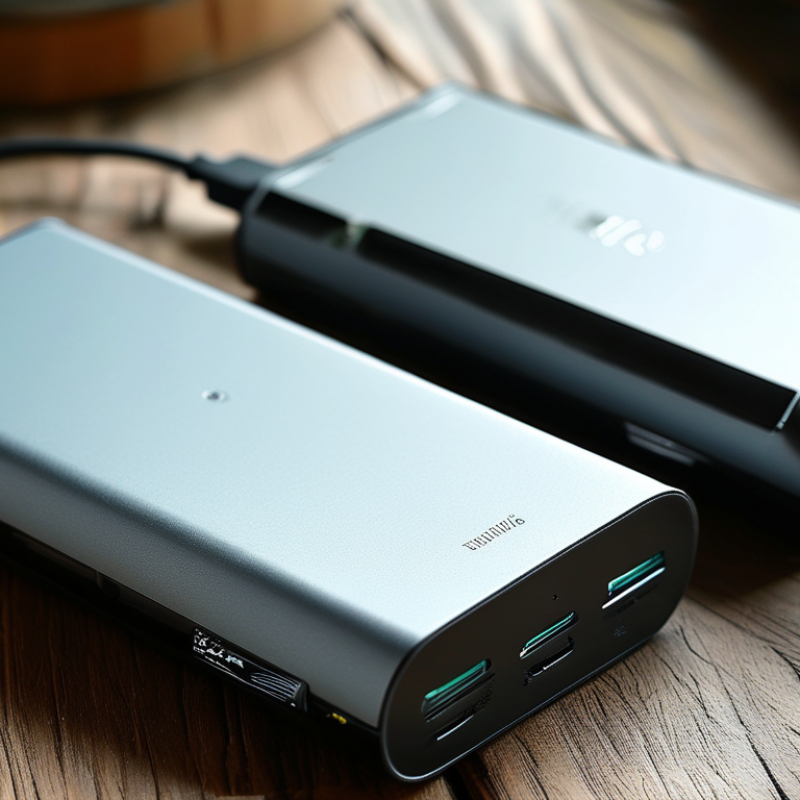
Top Features to Look for in Portable Power Banks in 2026
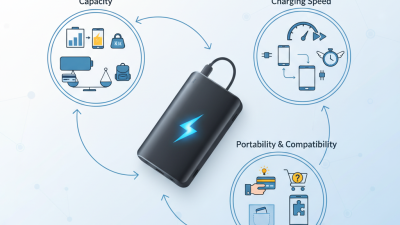
When selecting a portable power bank in 2026, the capacity is crucial. Aim for at least 20,000 mAh. This ensures multiple charges for your devices. Consider how often you'll be on the go. If you're traveling frequently, a higher capacity could save you stress.
Another key feature is charging speed. Look for power banks that support fast charging technology. This means quicker power-ups for your phone or tablet. USB-C compatibility is vital and increasingly common. It offers versatility, allowing you to use the same charger for multiple devices.
Consider portability as well. A slim and lightweight design matters for travel. Assess weight carefully; sometimes, a small trade-off in size can significantly enhance ease of transport. Lastly, durability is often overlooked. A charging bank should withstand everyday wear. Waterproofing or shock resistance can be significant advantages.
Comparison of Leading Brands and Models of Power Banks
When exploring the best portable power banks for global buyers in 2026, several key aspects stand out. Many users prioritize capacity, often measured in milliamp hours (mAh). A good power bank typically ranges from 10,000 to 30,000 mAh. This capacity is sufficient to charge most smartphones multiple times. However, some power banks promise higher capacities but fail to deliver efficiency. Users might find their devices charged inconsistently, making it essential to read reviews and compare actual user experiences.
Another important factor is the charging speed. Different power banks offer various charging technologies, such as fast charging and USB-C. Fast charging can significantly reduce downtime for devices. However, not all devices support these features, leading to potential disappointments. Potential buyers should ensure their devices are compatible with the power bank's charging capabilities. Additionally, consider the weight and design. Some models are bulkier yet offer more power. Others are lightweight and portable but may have limited capacity. It can be challenging to find the right balance between capacity and portability, and preferences often vary. Trusting user feedback and professional reviews helps in navigating these options successfully.
Top Portable Power Banks Comparison - 2026
Innovations in Power Bank Technology for 2026
In 2026, portable power banks are set to undergo significant innovations. With advancements in battery technology, power banks will provide faster charging speeds. Many consumers expect their devices to charge fully in under an hour. This rapid charging capability will improve convenience, especially for frequent travelers.
Another innovative feature is wireless charging. Many new power banks will offer Qi wireless technology. This eliminates the need for cables, making the charging experience seamless. However, some users may find that wireless charging is less efficient. Users will need to weigh convenience against charging speed.
Smart features are also on the horizon. Power banks equipped with apps can monitor battery levels in real-time. These applications will help users keep track of power usage. Yet, there may be concerns about app security. Ensuring data protection will be vital as technology advances. As new features emerge, consumers will have more options, but they must remain cautious.
Understanding Power Bank Capacity and Output Ratings
Understanding the capacity and output ratings of power banks is crucial for consumers in 2026. Battery capacity, measured in milliampere-hours (mAh), indicates how much charge a power bank can store. For instance, a typical power bank with a capacity of 10,000 mAh can charge a smartphone about two to three times. Reports suggest that larger capacity banks, such as those exceeding 20,000 mAh, are becoming more popular for global buyers. They provide multiple charges and can support devices like tablets and laptops.
Output ratings, measured in watts (W), determine how fast a power bank can charge a device. Many modern power banks offer fast-charging capabilities of 18W to 65W. This is essential as devices become more power-hungry. A power bank with a 30W output can charge a smartphone in just over an hour. However, consumers should note that high output ratings may lead to faster battery degradation. This trend highlights a need for careful product selection.
When choosing power banks, consider both capacity and output. Some consumers prioritize size and weight over capacity, opting for smaller models. Yet larger power banks often yield better value for frequent travelers or heavy device users. Balancing convenience with performance is vital to ensure users get the most reliable power solution for their needs.
Best Use Cases for Portable Power Banks Globally in 2026
In 2026, portable power banks will be essential for various global users. Travelers, for instance, will rely on these devices to ensure their smartphones and cameras remain charged during long journeys. Imagine being at an airport or a remote location without access to an outlet. A well-chosen power bank can be a lifesaver, providing the energy needed to capture special moments.
Moreover, outdoor enthusiasts will benefit significantly from reliable power banks. Hikers, campers, and adventurers often find themselves far from traditional power sources. Having a portable charger can keep GPS devices and smartwatches operational. This allows users to navigate safely and stay connected with family and friends during their excursions. Yet, not all power banks are created equal. Users must consider factors like battery capacity and size before making a purchase.
Some may overlook the specifics of compatibility with their devices. Not understanding charging speeds and cable types can lead to frustrating experiences. As users navigate the options, information about energy efficiency becomes crucial. Power banks with high energy conversion rates will ensure more efficient charging. However, the availability of such products will require informed decision-making. Being diligent in research can prevent disappointment and enhance overall satisfaction.
Top Portable Power Banks for Global Buyers in 2026
| Power Bank Capacity (mAh) |
Charging Ports |
Fast Charging Support |
Weight (grams) |
Ideal Use Case |
| 20000 |
2 |
Yes |
400 |
Traveling |
| 10000 |
1 |
No |
250 |
Daily Use |
| 30000 |
3 |
Yes |
600 |
Camping |
| 15000 |
2 |
Yes |
350 |
Outdoor Activities |
| 25000 |
2 |
Yes |
500 |
Extended Trips |




 Mr. Leaf