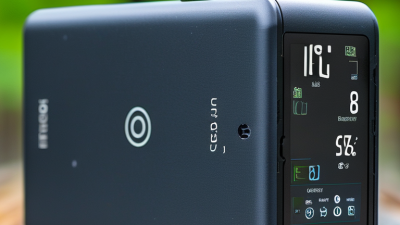
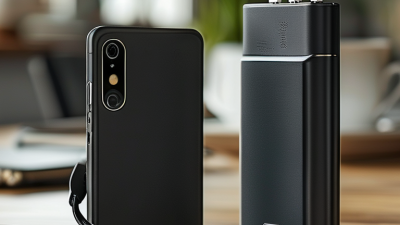
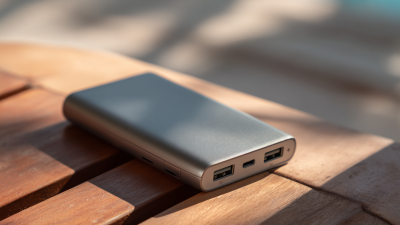
Choosing the right Multi Mobile Charger in 2026 is no longer a simple wattage decision. A charger may power your phone, tablet, earbuds, and smartwatch, yet still waste space or charge unevenly. The better question is practical: how many devices do you carry, and how quickly must each one recharge?
Demand continues to grow. IDC’s Worldwide Quarterly Mobile Phone Tracker recorded about 1.24 billion smartphone shipments in 2024. GSMA’s Mobile Economy 2025 also reported 4.7 billion mobile internet users worldwide. These figures suggest more personal devices, more cables, and greater pressure on household charging setups. A compact charger can remove the nightly cable pile beside your bed. It can also become frustrating when shared power drops sharply.
Look beyond the largest number on the box. USB-IF explains that USB Power Delivery 3.1 can support power levels up to 240W, but your devices may accept far less. Check USB-C Power Delivery, Programmable Power Supply support, port allocation, heat control, and certification marks. A 100W charger is not automatically better than a well-designed 65W model. It depends on its charging profile.
Real-world testing matters. Measure charging temperature, cable reach, and performance with two or three devices connected. Small details matter. Does your laptop charge while your phone fast-charges? Does the adapter fit behind a crowded desk? I have found that advertised maximum output can feel impressive but rarely reflects every port working together. That assumption needs testing.
This guide compares charging speed, safety, portability, compatibility, and long-term value. It also questions marketing claims, because convenient charging should remain dependable after the first week.
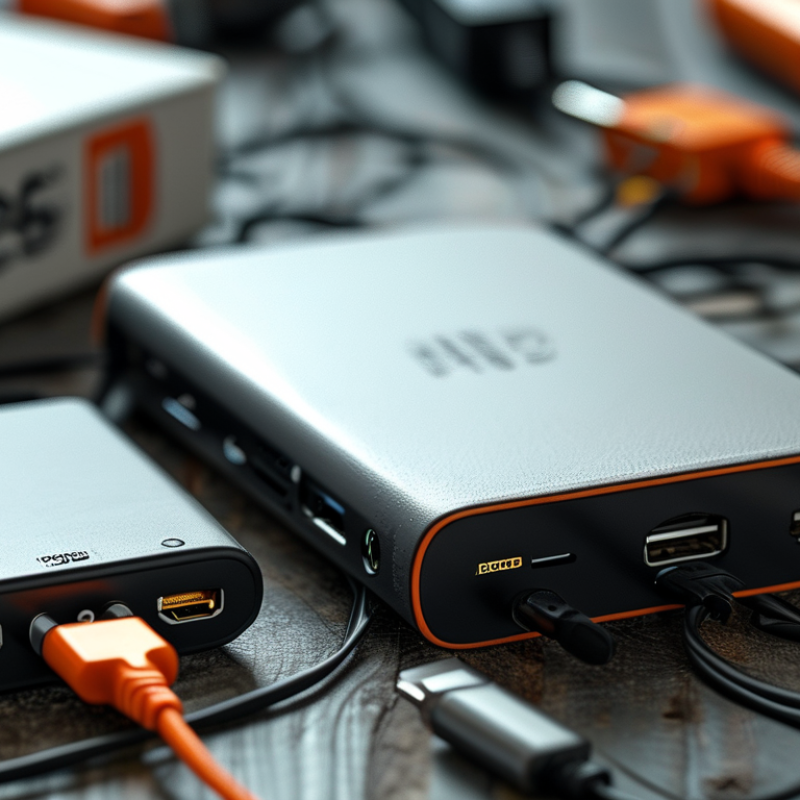
Choosing a multi mobile charger starts with standards, not the number of ports. IDC’s Worldwide Quarterly Mobile Phone Tracker recorded about 1.24 billion smartphone shipments in 2024. That scale means households often charge several devices together. A useful charger should support USB-C Power Delivery, or USB PD, across its main ports. USB-IF’s USB PD 3.1 specification allows power delivery up to 240 watts, although most phones need far less.
Check the charging protocol carefully. USB PD negotiates power between the charger and device, reducing unsafe guesswork. Programmable Power Supply, or PPS, can adjust voltage in smaller steps. This may improve charging efficiency for compatible phones.
Older USB-A ports can remain useful, but they often offer weaker communication and slower charging. Port labels alone can mislead.
Wireless charging needs separate attention.
The Wireless Power Consortium’s Qi2 standard introduced magnetic alignment and supports charging up to 15 watts in its initial profile. Alignment matters. A phone placed slightly off-center may charge slowly or stop repeatedly.
I test this beside a sofa, where cables bend and devices move. It is not a laboratory, but it reveals practical problems.
Heat is another warning sign. Four devices charging together can make a compact charger noticeably warm. I would choose independent power allocation and clear wattage markings, even when the design looks less elegant. Manufacturer claims still deserve checking against certification records and the device’s own charging limits.
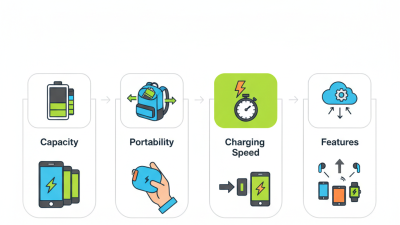
A reliable multi mobile charger should match every device you carry. I check the ports, supported charging standards, and cable requirements before buying. A USB-C port alone does not guarantee fast charging. Some phones need USB Power Delivery, while others use different voltage profiles. Older devices may charge safely but much more slowly. Compatibility matters more than the number of ports.
Power output needs careful reading. A charger might advertise 100 watts, but that figure can cover all ports combined. When three phones connect, each device may receive less power. I look for the output table, not only the large number on the package. The charger should also support safe current control and temperature management. It should not become uncomfortably hot during normal use.
Charging speed depends on the phone, cable, battery level, and shared power. A high-wattage charger cannot force a small phone to accept extra energy. During travel, I test each port with the actual cables I use. I once assumed two identical ports performed equally, but their charging speeds differed under load. That mistake changed my buying habit. I now leave some power capacity unused, although this may reduce convenience. A small reserve can keep charging stable when several devices connect together.
Port count matters, but compatibility matters more. A four-port charger may disappoint if two ports share limited power. Check its total wattage, not only the headline number. The USB Implementers Forum states that USB Power Delivery can reach 240W through Extended Power Range. Phones usually need far less, while tablets and laptops demand more. For mixed travel, choose at least one high-power USB-C port and two flexible secondary ports.
Cable support can decide daily convenience. USB-C to USB-C cables usually support faster charging and modern power negotiation. Older USB-A cables remain useful, but they may restrict speed. Wireless charging adds comfort beside a bed or desk. The Wireless Power Consortium reports that Qi2 uses magnetic alignment to improve charging efficiency and user convenience. Grand View Research valued the global wireless charging market at about $25.7 billion in 2023, projecting strong growth through 2030. Still, wireless charging creates more heat and often charges slower than a cable. I sometimes overvalue convenience.
Tips: Count your real devices first. Test the charger with your phone, tablet, earbuds, and watch. Reserve one port for sudden needs. Confirm cable ratings, thermal protection, and independent safety certification. Avoid assuming every wireless pad supports every device. Standards are improving, but compatibility remains imperfect.
How to Choose the Best Multi Mobile Charger in 2026?
A multi mobile charger should protect devices before it charges them quickly. Look for overvoltage, overcurrent, short-circuit, and temperature protection. Recognized electrical safety testing adds useful evidence, but certification labels still need verification. Do not trust vague claims printed on packaging. A charger that becomes painfully hot deserves immediate replacement.
Build quality matters during daily use. Choose a firm casing, strong cable connections, and ports that do not wobble. Fire-resistant materials can reduce risk during extended charging. I once carried a cheap charger in a crowded suitcase. Its loose port failed after several trips. That experience changed my priorities. Fast charging is attractive, but durability prevents waste and inconvenience.
Tips: Test every port before traveling. Check whether the charger supports your devices’ charging standards. Keep ventilation around the adapter. Avoid covering it with clothing or bedding. A compact design is helpful, yet an extremely small charger may have limited cooling space. Check its weight, plug compatibility, and cable storage. I sometimes overpack cables, so a built-in cable system sounds convenient, but damaged integrated cables can be difficult to replace. Read the safety instructions, even when they seem obvious.
Choosing the best multi mobile charger in 2026 means balancing price, reliability, and long-term charging needs. A low price can look attractive, but weak heat control may shorten battery life. I prefer a charger with certified safety protection, stable power delivery, and clear technical specifications. It should support modern USB-C charging standards and adjust output when several devices connect.
Daily use reveals details that product pages often miss. I once tested a compact charger beside my bed, and its faint buzzing became annoying at night. Another model stayed cool while charging two phones, a tablet, and wireless earbuds. That difference matters. Look for overload, overcurrent, and temperature protection. A strong warranty also suggests that the manufacturer expects the product to last.
More ports are not always better. Check the total output, because shared power can slow charging when every port is busy. A 100-watt rating may sound impressive, yet each device may receive much less power. Cable quality matters too. Short, durable cables reduce desk clutter and accidental strain. I still make mistakes by buying for today’s devices only. A charger with extra capacity may cost more now, but it can support future phones and tablets. Avoid the cheapest option when its specifications are vague. Reliability is harder to replace than a small saving.
Balancing price, reliability, and long-term charging needs
A multi-device charger should provide enough power for the most demanding device you expect to charge. Smartphones commonly require around 20–30W, tablets about 30–45W, ultrabooks roughly 45–100W, and high-performance laptops up to approximately 140W through USB-C Power Delivery. For long-term value, choose a charger with sufficient total wattage, multiple USB-C ports, USB Power Delivery support, over-temperature protection, and a dependable safety certification.
Power figures represent common USB-C Power Delivery charging requirements and practical device ranges; actual charging limits vary by model and charging protocol.