How to Choose the Best Mobile Power Bank in 2026?
In 2026, selecting the right Mobile Power Bank becomes essential for staying connected. Recent studies indicate that 87% of smartphone users worry about battery life. With devices demanding more energy, the need for reliable power sources grows. A good Mobile Power Bank ensures you never feel stranded without power.
The market for power banks is evolving rapidly. As per industry reports, the global market is projected to surpass $30 billion by 2026. Consumers prioritize efficiency, capacity, and portability. However, many overlook critical factors like charging speed and durability. Some power banks claim high capacity but fail under real-world use.
Understanding these trends is vital for making informed choices. Investing in a quality Mobile Power Bank enhances daily convenience and peace of mind. Be cautious; not all products provide the same performance. Research is necessary to avoid common pitfalls. The perfect Mobile Power Bank is more than just a backup; it’s a lifeline to your digital world.
Key Factors to Consider When Choosing a Mobile Power Bank by 2026
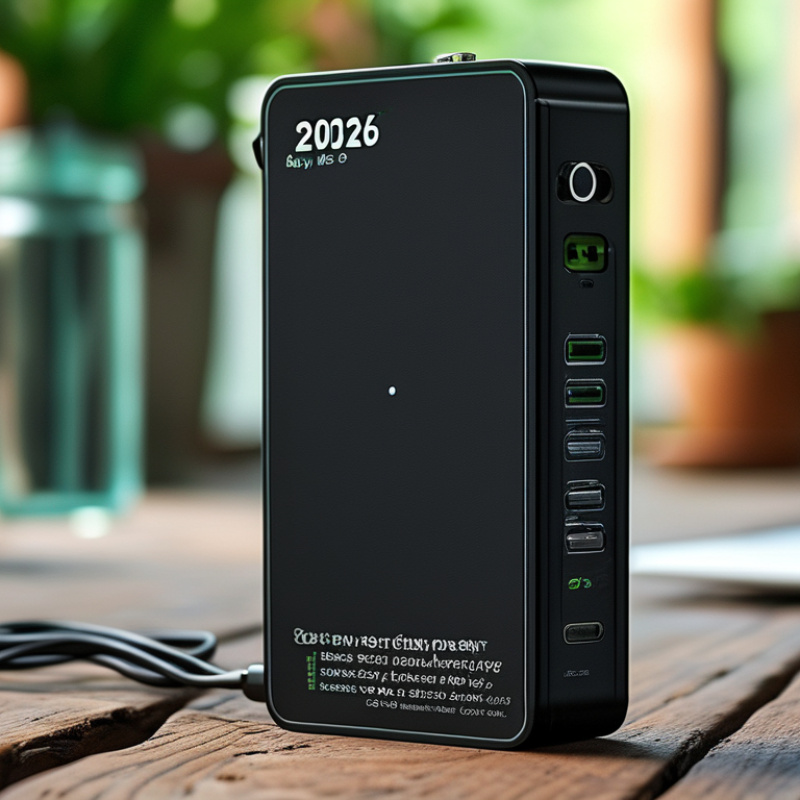
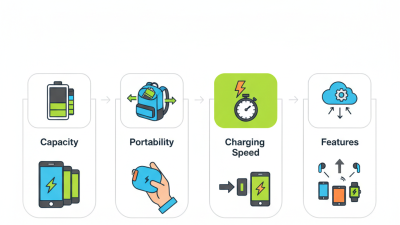
When selecting a mobile power bank in 2026, consider capacity. A higher capacity means more charges for your devices. Look for at least 20,000 mAh for reliable use. This ensures your smartphone or tablet stays charged during long trips. However, keep in mind that larger capacity may also increase weight. This can affect portability.
Charging speed is another critical factor. Opt for power banks with quick charging capability. Look for those that support USB-C Power Delivery or Quick Charge technology. This feature is essential for modern devices that demand fast energy replenishment. Be cautious, though. Some fast chargers can overheat or damage batteries if not used correctly.
Safety features should not be overlooked. Choose models with built-in safeguards against overheating, short-circuiting, and overcharging. These elements add a layer of reliability. However, remember that no device is completely risk-free. Always monitor the power bank during use, especially in extreme conditions. Battery technology continues to evolve. This leaves room for improvements, but also means not every device will perform the same way.
Understanding Battery Capacity: mAh Ratings and Their Significance
When choosing a mobile power bank, understanding battery capacity is crucial. The capacity is measured in milliamp hours (mAh). A higher mAh rating typically means more power. This means you can recharge your device more times. For instance, a 10,000mAh power bank can recharge a typical smartphone about two to three times. However, efficiency losses can occur during charging.
It's worth noting that high capacity isn't always best. A larger power bank can be bulkier and heavier. Balance is key. If you need portability, consider a lower mAh rating. For short trips, a 5,000mAh bank might suffice. Keep in mind the time it takes to recharge the power bank itself.
When selecting a power bank, think about your usage. Do you often travel? A lightweight option may be ideal. Do you use multiple devices? Ensure the power bank has multiple ports.
Tip: Always verify the power bank’s output rate. This affects how quickly it can charge your devices. A standard output is usually 2.1A for smartphones. Lower outputs lead to longer charging times.
Tip: Check reviews for reliability. Battery life can vary, even within the same mAh rating. Users’ experiences can provide valuable insights and highlight potential flaws. Always consider user feedback before purchasing.
The Importance of Output Power and Charging Speed in 2026 Power Banks
When selecting a mobile power bank in 2026, output power and charging speed play vital roles. High output power ensures your devices charge quickly and efficiently.
Look for power banks that support multiple devices simultaneously. This is crucial for those who rely on more than one gadget daily.
Charging speed is also essential. A fast-charging power bank can significantly reduce downtime.
Look for options that offer advanced charging technologies.
However, be cautious; some claims can be exaggerated. Not every power bank can deliver the promised speeds under real-world conditions.
It's wise to read reviews and compare specifications before purchasing.
While having a high output power and fast charging is desirable, the total capacity of the power bank should not be overlooked. A high-capacity bank may take longer to charge itself.
This delay can be frustrating. Balancing capacity, output, and charging speed is key. Keep these factors in mind when making your choice.
Evaluating Portability and Design: The Balance Between Size and Capacity
When selecting a mobile power bank in 2026, evaluating portability and design is essential. Consumers increasingly prioritize lightweight and compact designs. According to a recent survey from the Consumer Technology Association, over 65% of users prefer power banks that weigh less than 200 grams.
Portability is a key factor, especially for mobile lifestyles. However, the balance between size and capacity remains a challenge. Many high-capacity models exceed 300 grams, making them less convenient for everyday use. Some reports indicate that users often compromise battery life for a sleeker design. This trade-off can lead to frustration when devices run out of charge during crucial times. Opting for a middle-ground solution can provide optimal functionality.
Additionally, design aesthetics are becoming increasingly important. A visually appealing power bank can enhance the user experience. It's crucial to choose a product that not only performs well but also looks good. Data from market research firms show that 45% of consumers believe design influences their purchasing decision. Finding the right balance requires careful consideration. Explore various options and weigh their practicality against personal preferences.
Assessing Market Trends: Smart Features in Power Banks for 2026
In 2026, the mobile power bank market is shifting towards smart features that cater to user needs. One emerging trend is the integration of artificial intelligence. AI-powered power banks can learn user habits and optimize charging speeds accordingly. This means faster charging for devices when needed most.
The rise of renewable energy sources is also influencing the market. Many consumers now prefer eco-friendly designs. Solar-powered options are becoming more prominent. They allow users to charge devices sustainably while on the go. These innovations resonate with eco-conscious consumers who value both function and environmental responsibility.
Security features are another critical aspect. Users want reassurance that their devices are safe while charging. Advanced encryption and temperature control are becoming standard. Power banks with these features instill greater confidence in users. However, as manufacturers innovate, some offerings may prioritize features over reliability. Customers must stay informed to choose wisely.
How to Choose the Best Mobile Power Bank in 2026?
| Feature |
Description |
Market Trend |
| Capacity |
Ranges from 5,000 mAh to 30,000 mAh to support multiple devices. |
Increasing demand for high-capacity power banks. |
| Charging Speed |
Supports fast charging technologies like Quick Charge and USB-C Power Delivery. |
Trend towards faster charging capabilities in portable batteries. |
| Smart Features |
Includes features like LED displays and app connectivity for monitoring battery status. |
Growing interest in smart technology integration. |
| Weight & Size |
Compact and lightweight designs while retaining high capacity. |
Consumer preference for portability without sacrificing performance. |
| Safety Features |
Built-in protections against short-circuiting, overheating, and overcharging. |
Increased emphasis on safety standards and certifications. |



 Mr. Leaf