What is the Best Motorcycle Mobile Charger for Long Trips?
Embarking on long motorcycle journeys can be an exhilarating experience. However, the reliance on technology, such as navigation apps and music streaming, makes it essential to keep devices charged. A Motorcycle Mobile Charger is not just a convenience; it can be a lifeline. Riders often face unexpected challenges on the road, and a fully charged phone can be crucial for emergencies.
Choosing the right Motorcycle Mobile Charger can be daunting. There are many options available, and not all are suited for long trips. Factors to consider include charging speed, durability, and weather resistance. A poorly made charger might fail just when you need it most. This can lead to frustrating situations and unwanted detours.
Riders need to reflect on their specific needs and habits. Some may prioritize speed, while others look for longevity. The ideal charger should blend performance with reliability. Investing time in research can lead to better choices, as the right Motorcycle Mobile Charger can enhance the overall riding experience.
What to Look for in a Motorcycle Mobile Charger for Long Trips
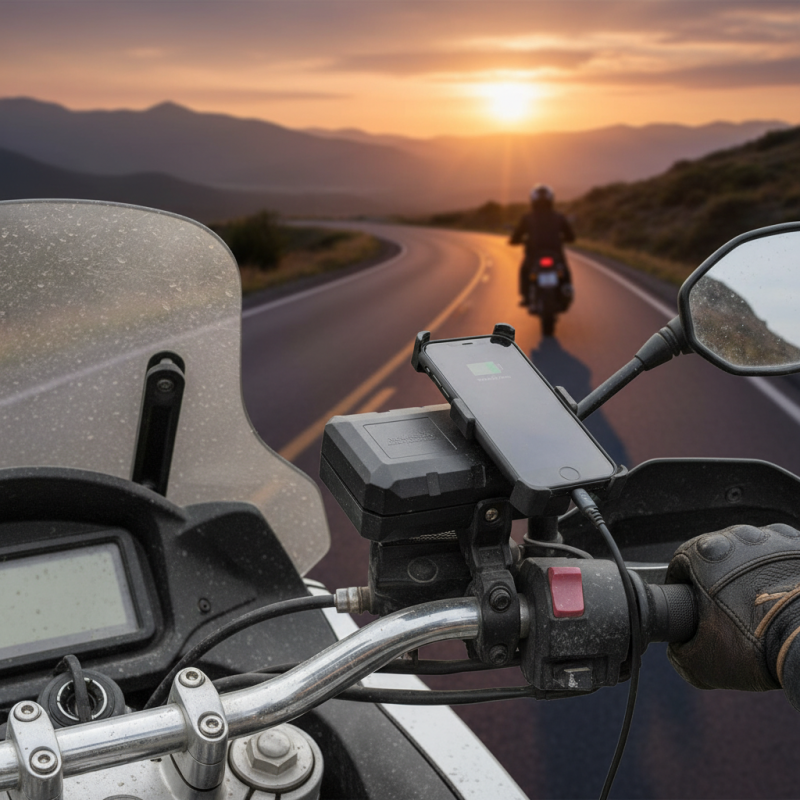
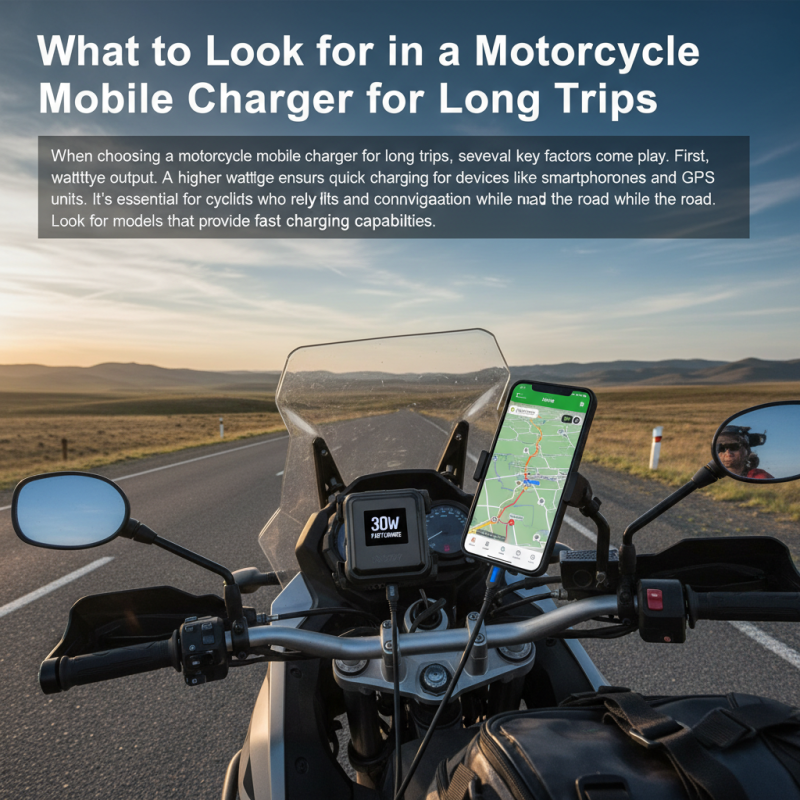
When choosing a motorcycle mobile charger for long trips, several key factors come into play. First, consider the wattage output. A higher wattage ensures quick charging for devices like smartphones and GPS units. It’s essential for cyclists who rely on navigation and communication while on the road. Look for models that provide fast charging capabilities.
Durability is another important aspect. Motorcycle trips can be tough on equipment. A charger that can withstand vibrations, moisture, and temperature changes is necessary. Check for rugged designs and rubberized covers. These features can help prevent wear and tear, extending the lifespan of your charger. It's also wise to explore options with ample cable length. Short cables can be limiting and uncomfortable during rides.
Don’t overlook the compatibility aspect. Ensure that the charger works with multiple devices. Many riders use different gadgets, and a versatile charger can save time and hassle. Also, think about weight. A lighter design makes installation easier and reduces additional strain on your motorcycle. Finally, consider user reviews. They often highlight potential issues that specifications may not reveal. Always seek reliable feedback to make an informed decision.
Voltage and Amperage Requirements for Optimal Charging Performance
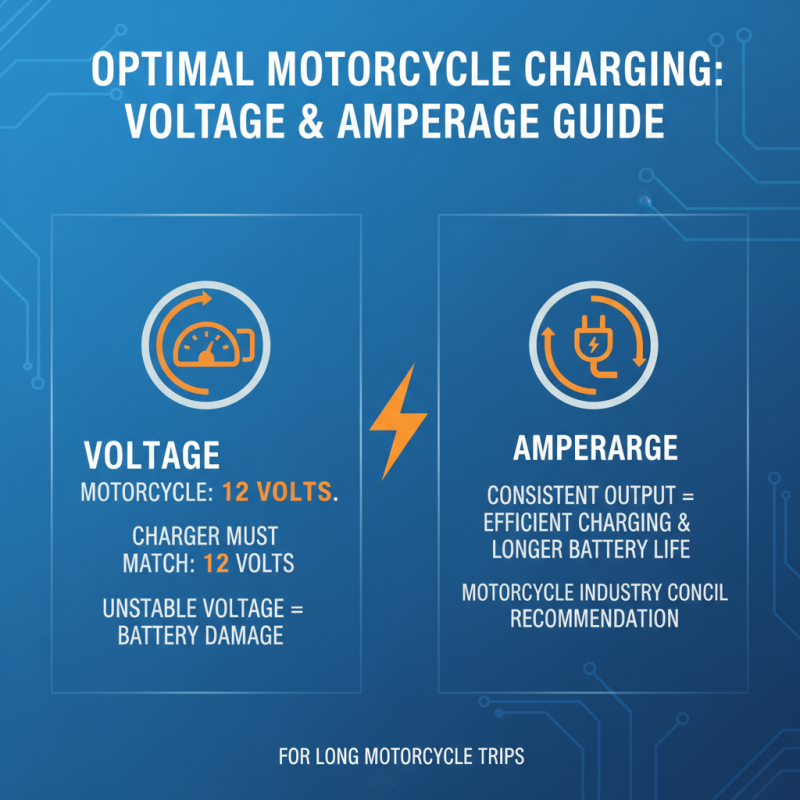
When selecting a mobile charger for long motorcycle trips, understanding voltage and amperage is crucial. Most motorcycle batteries operate at 12 volts, so your charger should match this specification. A charger that provides inconsistent voltage can lead to battery damage. According to the Motorcycle Industry Council, a stable output ensures efficient charging and prolongs battery life.
Current requirements vary based on device and charger efficiency. Ideally, aim for a charger that delivers between 1.5 to 2.1 amperes. This range meets the charging needs of most smartphones and GPS systems comfortably. An underpowered charger will increase charging time significantly, affecting your trip. For example, a charger offering only 1 amp may take over five hours to fully charge a smartphone, while one providing 2 amps can do it in about three hours.
Be cautious with cheap chargers. They often compromise on build quality, leading to overheating risks. Remember, safety is paramount during long trips. A malfunctioning charger can create a hazardous scenario on the road. It’s wise to invest in a reliable option that guarantees optimal performance and safety, ensuring your devices stay powered throughout your journey.
Compatibility of Motorcycle Chargers with Different Devices and Models
When considering motorcycle chargers, compatibility is key. Many chargers are designed for universal use, yet not all devices are supported. A study by the motorcycle accessory industry found that nearly 40% of riders experienced issues with chargers and different devices. Ensuring that your charger works with your smartphone, GPS, or tablets is crucial for long trips.
Different motorcycle models may have varying charging requirements. For instance, some motorcycles use a 12V battery system, while others require different inputs. Riders must check the specifications of their model to avoid potential issues. Common mistakes include assuming that all chargers fit all motorcycles. When venturing into remote areas, these details become even more important.
Riders also need to consider the cable lengths and connectors. A poorly designed charger can lead to connectivity issues. For example, if a cable is too short, it might not reach your device adequately. Unfortunately, many accessories lack clear documentation regarding device compatibility. This can leave riders frustrated when their devices are incompatible during crucial moments on the road.
Top Brands and Models of Motorcycle Chargers in 2023: A Comparative Analysis
When planning long motorcycle trips, having a reliable mobile charger is crucial. Battery life is often overlooked. Riders depend on their devices for navigation and communication. The right charger can save the day.
In 2023, various brands and models have emerged, each with unique features. Some chargers offer fast charging capabilities, while others focus on durability. Portability is essential, as extra weight can be cumbersome. Waterproof designs can be a game-changer in unpredictable weather. Riders should consider charging speeds and compatibility with different devices.
A few models stand out, but personal preferences vary. Some users prioritize weight and size, while others look for robust performance. It's important to find a balance between function and form. Riders might experience frustration with complex installation processes. Easy-to-understand instructions help but aren’t always available. Testing a charger before embarking on a long trip can reveal its true reliability. Don't underestimate the impact of a good charger on your adventure.
What is the Best Motorcycle Mobile Charger for Long Trips? - Top Brands and Models of Motorcycle Chargers in 2023: A Comparative Analysis
| Model |
Output Power (W) |
USB Ports |
Water Resistance |
Price ($) |
Rating (out of 5) |
| Model A |
15 |
2 |
IP67 |
49.99 |
4.5 |
| Model B |
20 |
3 |
IP65 |
59.99 |
4.7 |
| Model C |
10 |
1 |
None |
29.99 |
4.0 |
| Model D |
25 |
4 |
IP68 |
79.99 |
4.9 |
Safety Features to Consider When Choosing a Motorcycle Mobile Charger
When selecting a motorcycle mobile charger for long trips, safety features should be your top priority. A well-designed charger should incorporate over-voltage protection. This prevents damage to your device in case of power surges. Short-circuit protection is vital too. It ensures that, in the event of a faulty connection, your charger won’t pose a fire hazard. Look for chargers with built-in fuses as an extra layer of safety.
Another important aspect is the charger’s weather resistance. Ensure it can endure various weather conditions. Rain can be unpredictable during long rides. A charger with an IP67 rating will survive rain and splashes. Additionally, consider the cable’s durability. It should be made of strong materials to resist wear over time. Remember, flimsy cables can break, leaving you stranded.
Lastly, think about the charging speed. A slower charger can frustrate you during a trip. It's essential to find a balance between speed and safety. Test the charger before your long journey. This helps you identify potential issues. Reflect on your needs. Are you planning to charge multiple devices? Make sure your charger can handle that.
Motorcycle Mobile Chargers Comparison



 Mr. Leaf