What is the Best Mobile Laptop Charger for Global Buyers?
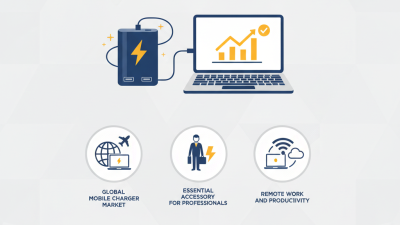
The demand for mobile laptop chargers continues to rise as remote work and travel become increasingly common. Reports indicate that the global market for laptop chargers is expected to grow significantly, with projections suggesting a compound annual growth rate (CAGR) of over 6% by 2025. This growth is driven by the expanding use of laptops in various industries, highlighting the importance of finding the best mobile laptop charger for global buyers.
In today's fast-paced environment, the right mobile laptop charger can enhance productivity, ensuring devices stay powered during long hours of work or travel. Key features to consider include compatibility, charging speed, and portability. For instance, chargers that support fast charging can be immensely beneficial in urgent situations. However, buyers often overlook compatibility issues, which can lead to frustration and inefficiency.
Moreover, many chargers in the market lack universal compatibility. A reliable mobile laptop charger should meet the needs of different laptop brands and models. The right choice can save valuable time. Research indicates that 30% of users report dissatisfaction with their current charger. This statistic emphasizes the necessity of informed purchasing decisions. Selecting the best mobile laptop charger is essential for navigating the evolving landscape of work and connectivity.

What Should Global Buyers Consider in Mobile Laptop Chargers?
When choosing a mobile laptop charger, several factors should be considered for global buyers. Power output is crucial. Most laptops require chargers with outputs between 45W and 100W. A 2023 report from Technavio states that there’s a growing demand for efficient chargers with fast charging capabilities. Buyers must check their laptop’s specifications to ensure compatibility.
Portability is another important aspect. Chargers should be lightweight and compact for travel. A good charger should easily fit in a laptop bag without adding significant weight. According to the International Energy Agency, energy efficiency is also vital. Chargers that meet the ENERGY STAR rating can reduce electricity waste. Many users overlook this feature, yet it can lead to substantial savings over time.
One must also consider the length of the charging cable. Too short can limit usability, but too long can create clutter. Some consumers might find it challenging to find a balance here. Lastly, while many options exist, not all chargers are built to last. Buyers should scrutinize user reviews for longevity and durability, as poor quality can result in frequent replacements.
Importance of Voltage and Amperage Compatibility for International Use
When choosing a mobile laptop charger for international use, understanding voltage and amperage compatibility is crucial. Different countries have varying electrical standards. For instance, Europe typically requires 230V, while the USA uses 120V. Using a charger that doesn’t match the local voltage can damage your device. Therefore, always check the specifications of your charger.
Moreover, amperage also plays a significant role. A charger with a higher amperage can charge devices faster. However, if it's not compatible, it might not work at all. Your laptop’s requirements must align with the charger. Mismatching them can lead to overheating or malfunction. It’s essential to read the product details carefully before making a purchase.
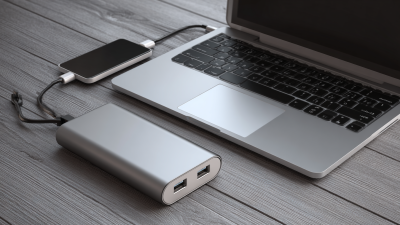
**Tips:** Always carry a universal adapter. It can connect to various outlets. Additionally, invest in a power bank. This provides portable charging options when you're on the move. Lastly, keep an eye on safety certifications. Avoid chargers that lack proper rating. They can pose risks during use. Being mindful can prevent unwanted surprises while traveling.
Top Brands Leading the Mobile Laptop Charger Market Worldwide
The mobile laptop charger market is dynamic and constantly evolving. Buyers across the globe face the challenge of selecting the ideal charger. Many brands now stand out due to their commitment to quality. They focus on providing solutions that meet diverse needs.
Innovation is a key feature of top brands. They understand the importance of design and functionality. Lightweight designs are crucial for travelers. Quick charging technology enhances user experience significantly. Feedback shows users appreciate portability and efficiency. Yet, not all brands hit the mark. Some products fall short in durability or compatibility.
Brand reputation often plays a pivotal role in buyer decisions. Research reveals that reliability and performance matter most. Customers seek chargers that withstand daily use. Not every product guarantees long-term satisfaction. The inconsistency in quality raises questions for potential buyers. Engaging with user reviews can provide insight. Understanding the strengths and weaknesses of various options is essential.
What is the Best Mobile Laptop Charger for Global Buyers? - Top Brands Leading the Mobile Laptop Charger Market Worldwide
| Charger Type |
Power Output (W) |
Compatibility |
Weight (kg) |
Price Range ($) |
| USB-C Charger |
65 |
MacBook, Surface, Dell |
0.5 |
30-50 |
| Slim Laptop Charger |
45 |
HP, Lenovo, ASUS |
0.6 |
20-40 |
| High Power Adapter |
90 |
Gaming Laptops |
1.0 |
60-100 |
| Multi-Port Charger |
100 |
Universal |
0.9 |
50-80 |
Evaluating Charging Speed: Watts and Performance Metrics Explained
When evaluating charging speed for mobile laptop chargers, watts and performance metrics play a crucial role. According to a report by the International Energy Agency (IEA), charging speeds vary significantly among devices. For instance, chargers with higher wattage can deliver energy to laptops faster, impacting productivity for users on the go. A charger rated at 100 watts can provide up to four times the energy of a 25-watt charger, illustrating the importance of wattage.
Performance metrics are also essential. A well-regarded study from the USB Implementers Forum indicates that a laptop charger must comply with USB Power Delivery (USB PD) standards to ensure safety and efficiency. Devices charged with these certified chargers can achieve about 70% energy efficiency, compared to non-certified options, which often fall short. This discrepancy raises questions about the longevity and overall performance of laptops when charged with subpar equipment.
However, not all chargers perform as expected. Some high-watt chargers may heat up more quickly, leading to potential thermal throttling in laptops. This phenomenon can reduce the lifespan of both the charger and the laptop. Users should consider these nuances when selecting chargers. Balancing speed, safety, and longevity is more complex than it seems.
Key Safety Features in Mobile Laptop Chargers for Global Travelers
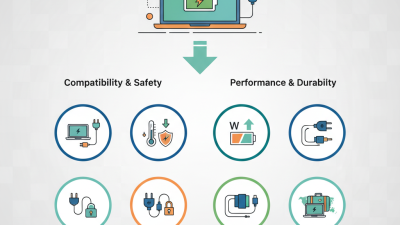
When choosing a mobile laptop charger for global travel, safety features are paramount. Chargers should include over-current protection, which prevents excessive current flow. This reduces the risk of overheating and potential fires. Short-circuit protection is another critical feature. It ensures that if a fault occurs, the charger shuts down, protecting both the charger and the laptop.
Additionally, consider chargers with surge protection. This feature guards against voltage spikes that can damage your device. A quality charger will have a robust design, capable of handling different power voltages. Many regions have varying electrical standards. A charger that can adapt to different voltages is a smart choice. Furthermore, look for chargers with an LED indicator. This simple feature provides a visual cue, signaling when charging is in progress.
Despite these features, it’s essential to verify compatibility with your device. Some low-cost options may claim safety features but lack genuine quality. Trustworthy chargers usually provide clear specifications. Always prioritize safety over cost, as a malfunctioning charger can lead to critical damage. In conclusion, global travelers should invest in reliable mobile laptop chargers that genuinely prioritize safety features.
Power Preferences of Global Travelers





 Mr. Leaf