The Ultimate Guide to Choosing the Best Wireless Power Bank for Your Needs
In today’s fast-paced digital world, staying connected is more important than ever, and a reliable power source is crucial for keeping our devices charged and ready for use. Enter the Wireless Power Bank—a versatile and convenient solution for those who are constantly on the go. These portable chargers eliminate the hassle of tangled wires and cumbersome cords, allowing users to power up their smartphones, tablets, and other gadgets wirelessly. However, with a myriad of options available in the market, choosing the best wireless power bank to suit your specific needs can be a daunting task.
This ultimate guide aims to simplify that selection process by providing essential insights into the features, capacities, and compatibility of wireless power banks. We will delve into factors such as battery life, charging speed, and portability, ensuring that you have all the information necessary to make an informed decision. Whether you are a frequent traveler, a tech enthusiast, or simply someone who values convenience, understanding what to look for in a wireless power bank will help you enhance your mobile experience and keep your devices charged at all times. So, let’s explore the world of wireless power banks and find the perfect match for your needs.
Factors to Consider When Choosing a Wireless Power Bank
When choosing a wireless power bank, there are several key factors to consider to ensure that it meets your specific needs. Firstly, the capacity of the power bank is crucial. Measured in milliampere-hours (mAh), a higher capacity means more charges for your devices. If you're frequently on the go or use your devices heavily throughout the day, aim for a power bank with at least 10,000 mAh, which typically provides multiple charges for most smartphones.
Another important consideration is the output power. Look for power banks that offer fast charging capabilities, which can significantly reduce the time needed to recharge your devices. Check the output wattage; a power bank offering at least 18W will generally provide efficient fast charging. Additionally, compatibility is essential—make sure the power bank supports the charging standards for your devices, such as Qi wireless charging for smartphones and other suitable gadgets.
Tips: When selecting a wireless power bank, consider portability as well. A lightweight and compact design makes it easier to carry while still delivering ample power. Lastly, don’t forget to check the quality and durability of the device to ensure it can withstand travel wear and tear. A well-built power bank will not only serve your power needs but will also be a reliable companion for years to come.
Battery Capacity: Understanding mAh Ratings and Usage
When choosing a wireless power bank, understanding battery capacity is crucial. The capacity of power banks is measured in milliampere-hours (mAh), which indicates how much energy the battery can store. A higher mAh rating means that the power bank can charge your devices multiple times before needing a recharge itself. For instance, a 10,000 mAh power bank can generally charge a smartphone with a 2,000 mAh battery about five times, depending on various factors like usage and efficiency losses during the charging process. Therefore, assess your daily usage to determine the ideal capacity you require.
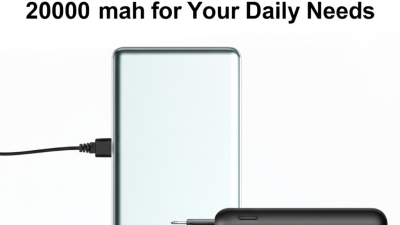
**Tips: When determining the right mAh rating for your needs, consider how often you are away from an outlet. For daily commuters, a power bank with 5,000 to 10,000 mAh may suffice. For travelers or those who rely heavily on their devices throughout the day, looking for a capacity of 20,000 mAh or more could be beneficial.**
Additionally, the type of devices you plan to charge can influence your choice. For instance, a power bank designed to charge tablets or laptops will likely have a higher capacity and output rating compared to one aimed at smartphones. It’s vital to match the power bank with your devices’ charging specifications to ensure optimal performance.
**Tips: Always check the output current (measured in amps) of the power bank. A higher output allows for faster charging, which can significantly reduce downtime for your devices. Aim for at least 2A output for smartphones and higher for tablets or larger devices.**
Charging Speed: Watts and Compatibility with Devices
When selecting a wireless power bank, understanding charging speed is crucial for ensuring compatibility with your devices. Charging speed is typically measured in watts (W), which reflects how quickly power can be delivered to your device. A higher wattage generally means faster charging, but it's essential to match the power bank's output with your device's requirements for optimal efficiency. For instance, if you're charging a smartphone that supports fast charging, a power bank with a higher watt output can significantly reduce charging time.
Compatibility is another vital aspect. Different devices may have varying charging protocols, such as Qi, which is the most common standard for wireless charging, or other proprietary systems. Before purchasing a power bank, check whether it supports the necessary protocols for your devices. A power bank that is versatile and compatible with multiple devices ensures that you can use it for your smartphone, tablet, or even wireless earbuds without any issues. Prioritizing both charging speed and compatibility will lead you to a more satisfying and efficient charging experience with your wireless power bank.
The Ultimate Guide to Choosing the Best Wireless Power Bank for Your Needs
| Power Bank Model |
Charging Speed (Watts) |
Compatibility with Devices |
Battery Capacity (mAh) |
Number of Outputs |
| Model A |
15W |
Smartphones, Tablets |
10000 |
2 |
| Model B |
10W |
Smartphones, Cameras |
5000 |
1 |
| Model C |
18W |
Smartphones, Laptops |
20000 |
3 |
| Model D |
12W |
Smartphones, Tablets, Cameras |
15000 |
2 |
| Model E |
20W |
Smartphones, Tablets |
25000 |
3 |
Portability: Size and Weight Considerations for Daily Use
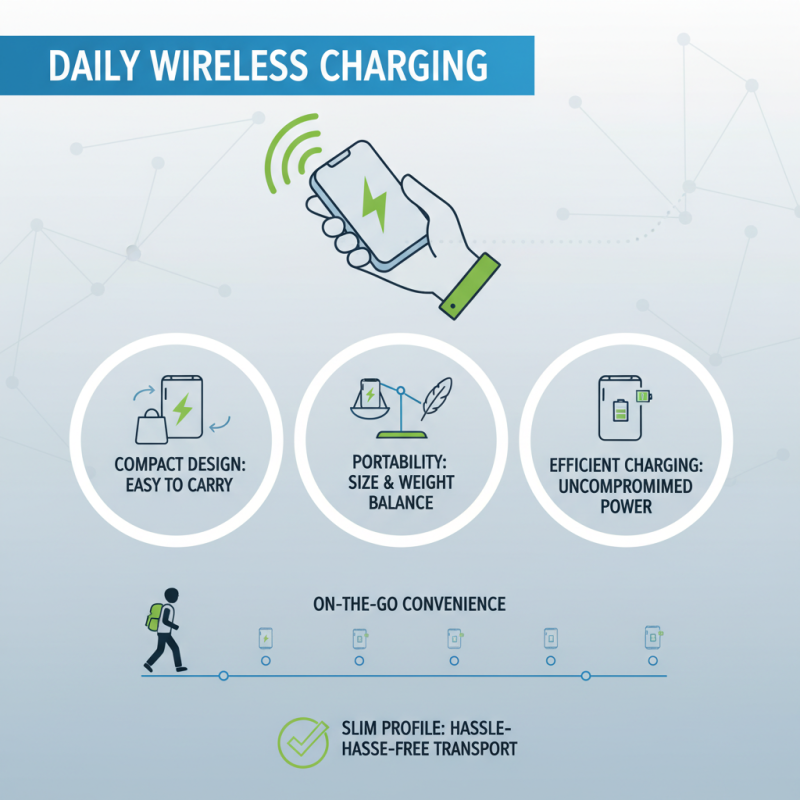
When selecting a wireless power bank, portability is a crucial factor to consider, especially if you plan to use it for daily activities. The ideal power bank should strike a balance between size and weight without compromising its charging capabilities. A compact design is essential; it can easily fit into your bag or pocket, making it convenient for on-the-go charging. Look for models that feature a slim profile, as this allows for hassle-free transport and minimizes the burden of carrying additional weight in your daily routine.
Weight is equally important to consider, particularly for those who need a power bank that won’t weigh them down during commutes or travel. While larger capacity power banks may offer multiple charges, they often come with added heft. Therefore, assessing your charging needs against battery size is key. For daily use, a lightweight option that provides enough power for your devices is ideal, so you can stay powered up without feeling encumbered. Ultimately, choosing a lightweight and compact power bank will enhance your experience, ensuring you remain connected and charged wherever life takes you.
Brand Reputation and Product Reviews: Industry Standards and Trustworthiness
When selecting a wireless power bank, brand reputation and product reviews serve as critical indicators of trustworthiness and quality. According to a recent industry report published by Consumer Electronics Association, a significant 70% of buyers research product reviews before making a purchase, emphasizing the growing reliance on user feedback in consumer decision-making processes. This trend highlights the importance of brands maintaining a positive reputation in an increasingly competitive market.
Additionally, third-party review platforms and technological benchmarks can provide valuable insights into a power bank's performance, efficiency, and safety. For instance, data from the Mobile Power Consortium suggests that power banks with a higher number of positive customer ratings also tend to meet more stringent safety certifications. Consumers often look for certification marks such as CE, FCC, and RoHS, which imply adherence to industry standards. By focusing on products with solid reviews and reputable brand histories, consumers can ensure a reliable and durable addition to their tech accessories.



 Mr. Leaf