Ultimate Tips for Choosing the Best Phone Power Bank for Your Needs
Choosing the right phone power bank can feel overwhelming. With numerous options available, knowing what to prioritize is essential. You want something that fits your lifestyle. Power banks come in various shapes, sizes, and capacities.
Consider how often you use your phone throughout the day. If you rely heavily on apps, a high-capacity phone power bank may be necessary. Additionally, think about portability. A compact design can be convenient for travel. Yet, it might compromise capacity.
Don't forget to check compatibility with your device. Some phone power banks may not work with all smartphones. It's vital to read user reviews and product descriptions carefully. Finding the perfect phone power bank might take time, and it could require some trial and error. Remember, what works for one person might not meet your needs. Reflect on your routine and charging habits before making a choice.
Understanding Power Bank Basics: Types and Features
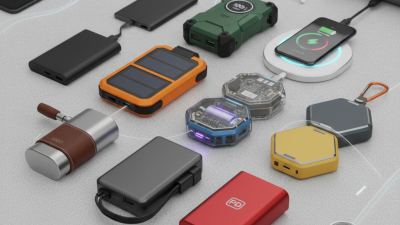
Choosing the right power bank requires understanding the various types and features available. Power banks mainly fall into three categories: portable chargers, solar chargers, and multi-device chargers. Each type is suited for different user needs. For instance, portable chargers are compact and ideal for daily use. Meanwhile, solar chargers are perfect for outdoor enthusiasts who may lack traditional power sources.
Tips: Consider the capacity of the power bank. Higher capacity means more charges but can also mean more weight. A 10,000mAh power bank can charge most smartphones about two to three times before needing a recharge. Additionally, check for pass-through charging. This feature allows you to charge your device while the power bank itself is charging.
Many users overlook charging speed. Look for power banks with a good output current. A model with 2.0A output will charge devices much faster than one with just 1.0A. However, charging speed may not always match your needs or devices. Sometimes, you may find your devices can’t utilize the faster speeds effectively. That’s a detail worth considering.
Determining Your Power Needs: Capacity and Output Considerations
When selecting a power bank, understanding your power needs is crucial. Capacity is a key factor to consider. The capacity of power banks is measured in milliampere-hours (mAh). Research shows that most smartphones require between 2,000 to 4,000 mAh for one full charge. If you're frequently on the go, look for power banks with at least 10,000 mAh. This ensures you can recharge your device multiple times without recharging the power bank itself.
In addition to capacity, output ratings matter as well. Power banks typically have various output options, often ranging from 1A to 3A. A higher output ensures faster charging. For instance, a 2A output charges your device 50% faster than a 1A output. This is important for those who rely heavily on their devices throughout the day. Research demonstrates that consumers prefer charging solutions that minimize downtime, making high-output banks desirable.
However, many users overlook the importance of both capacity and output. Often, they choose based on appearance or price alone. This can lead to frustration when devices charge slowly or run out of power quickly. When selecting a power bank, balance aesthetics with functional requirements. It’s important to assess how your habits align with the specifications of the power bank you choose. Ultimately, a little consideration now can save you time and effort later.
Portability vs. Functionality: Size and Weight Factors
When choosing a phone power bank, size and weight matter. Portable power banks are ideal for traveling. A study shows that 70% of users prioritize portability when selecting a power bank. Smaller units are easier to carry. However, a compact design often means a lower capacity. This can lead to frequent recharging, frustrating users.
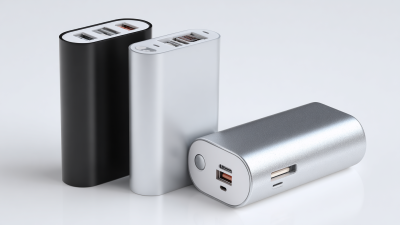
Consider the following tips for balance. Choose a power bank that fits your daily needs. Think about how often you travel. If you’re often on the go, opt for a lightweight model that easily slips into your pocket. Look for models under 200 grams for optimal portability. They should still offer at least 10,000 mAh capacity for multiple charges.
Reflect on your charging habits. If you rely heavily on your device, a bulkier power bank might be necessary. Some options weigh over 300 grams but provide more power. Weighing convenience against capacity is key. You need a reliable source without feeling weighed down. Remember, it’s about finding that sweet spot between being lightweight and functional.
Power Bank Size and Weight Comparison
Key Features to Look for: Quick Charge, Safety, and Durability
When choosing a phone power bank, key features make a big difference.
Quick charge capability is essential.
It ensures your device charges rapidly, saving you time. Look for power banks with high output rates.
A minimum of 2.1A output can make your charging experience smooth.
Some power banks promise quick charge but often fall short. Always check user reviews for real-world performance.
Safety should never be overlooked. Overheating and short-circuiting can harm your device.
A reliable power bank includes safety mechanisms.
Look for features like overcharge protection and temperature control.
It’s easy to be swayed by flashy designs, but safety is paramount.
Durability is another crucial factor.
Many choose a power bank based on aesthetics. However, how well it withstands wear and tear is vital.
A rubberized case or reinforced corners enhances longevity. Yet, some models may seem sturdy but can crack easily.
Examine the materials used before making a decision. Your phone will thank you for thorough research.
Budgeting for Quality: Finding Affordable Yet Reliable Options
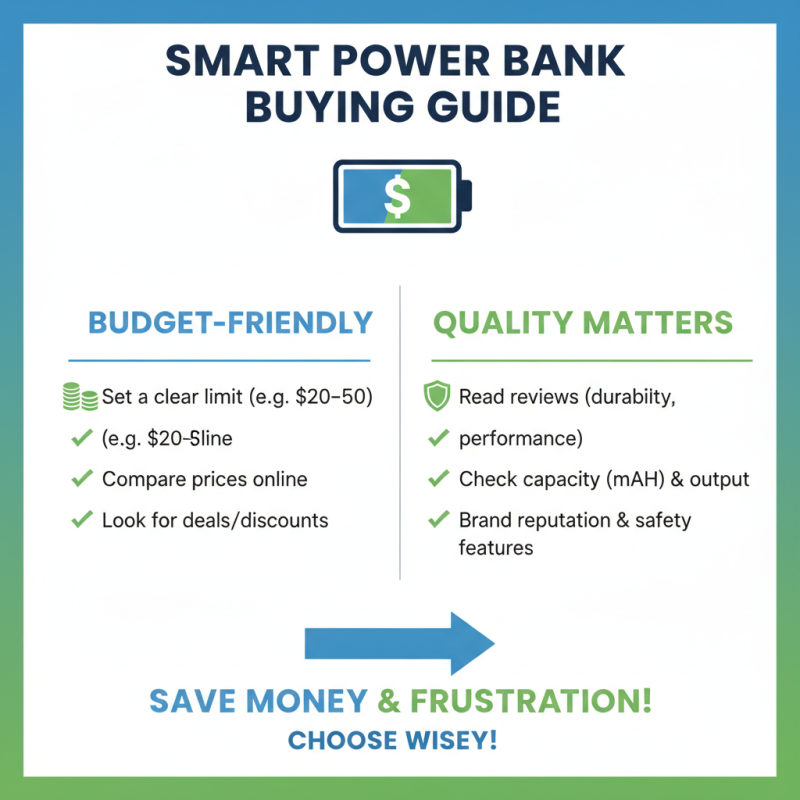
When looking for a phone power bank, budgeting plays a crucial role. Many affordable options are available, but they often lack quality. Choosing wisely can save you money and frustration. Start by setting a clear budget. Decide how much you can spend without straining your finances. This step narrows down your choices significantly.
Consider the capacity of the power bank. A 10,000mAh model may last for several charges but can be bulkier. A 5,000mAh is lighter but may run out quickly. Balancing these options is essential. Evaluate your typical usage habits. If you travel often, a higher capacity means less worry.
Another key tip is to read customer reviews. Find reliable sources that discuss performance over time. Look out for comments on durability and charging speed. Well-rounded feedback can guide you toward better choices. Sometimes, focusing solely on price leads to dissatisfaction later. Reflecting on your needs can lead to a more satisfying purchase. Aim for a power bank that balances cost and quality effectively.




 Mr. Leaf