What is a Portable Power Bank and How Does It Work?
In today's fast-paced world, keeping devices charged is essential. The Portable Power Bank industry has rapidly grown, driven by the increasing reliance on smartphones and tablets. According to a report by Grand View Research, the market for portable power banks is expected to reach $25 billion by 2025. This growth reflects a significant demand for convenient charging solutions.
Expert in battery technology, Dr. Alice Thompson, highlights, "A Portable Power Bank is not just a tool; it's a lifeline for many users." These compact devices provide energy on the go. Users often overlook the need for quality and safety in choosing a power bank. High-capacity options may not always ensure fast charging or durability. This inconsistency can lead to frustration and increased waste.
Understanding how a Portable Power Bank works is crucial for informed decisions. Many purchases are made hastily, often driven by price rather than performance. As the market expands, consumers must consider features such as battery life, capacity, and compatibility. It's essential to reflect on personal charging needs and make wise choices.
What is a Portable Power Bank? Definition and Overview
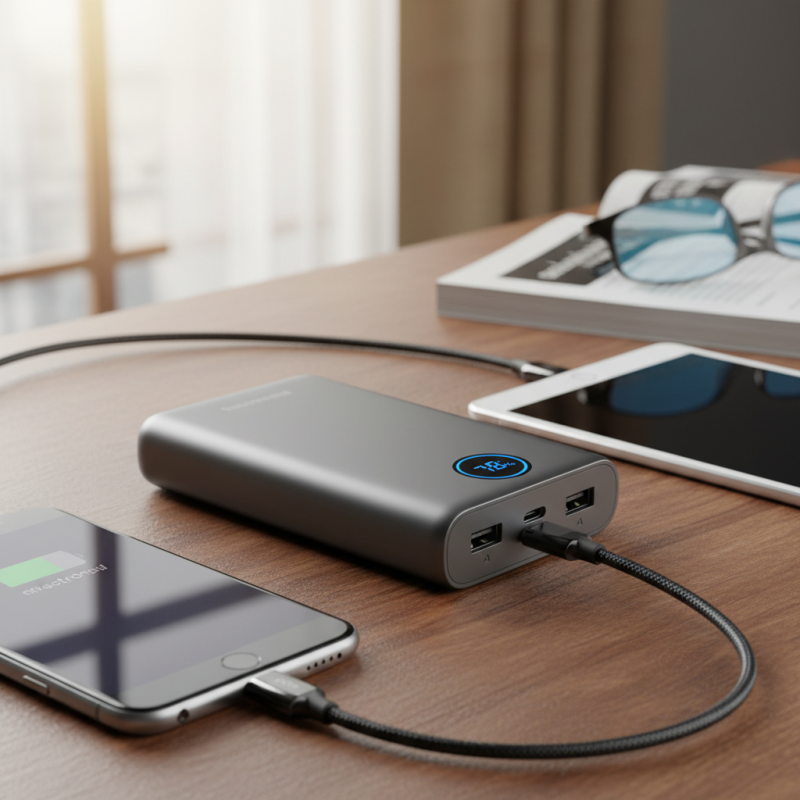
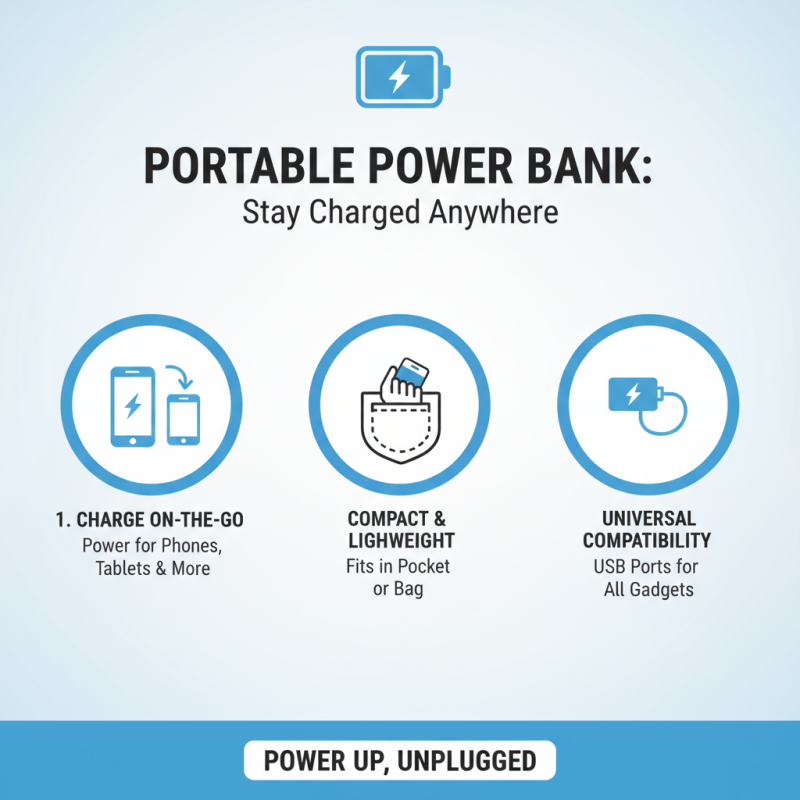
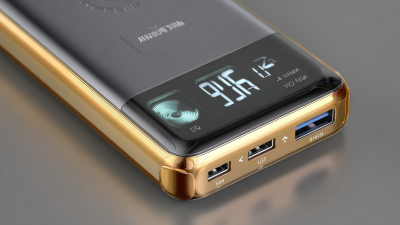
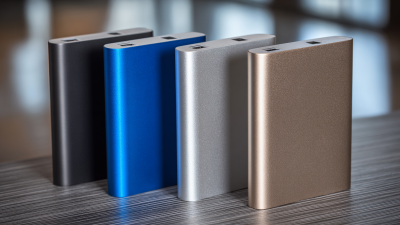
A portable power bank is a compact device designed to charge electronic gadgets on the go. These chargers are lightweight and can easily fit in a bag or pocket. They store electrical energy, allowing users to power their devices without a wall socket. Most power banks come with USB ports, making them compatible with a variety of gadgets.
Understanding how a power bank functions can be intriguing. Inside, it has a battery, usually lithium-ion or lithium-polymer. When plugged in, it collects energy from an outlet. Users can then connect their devices via a cable, transferring energy stored in the power bank. Some models include features like fast charging, LED indicators, or multiple ports for convenience.
However, issues can arise. Not all devices charge equally well. Some may not support the power bank's output. It's vital to consider compatibility before purchasing. Additionally, over time, a power bank's efficiency may decline. Its capacity could reduce after numerous charging cycles. Users should reflect on their needs and usage patterns before making a decision.
The Components of a Portable Power Bank: Battery and Circuitry
Portable power banks have become essential in our tech-driven lifestyle. Understanding their components helps us appreciate how they function. The primary elements of a portable power bank are its battery and circuitry.
The battery is usually lithium-ion or lithium-polymer. These batteries offer a good balance between weight and storage capacity. According to industry reports, a typical power bank can charge a smartphone at least two to three times before needing a recharge. This capacity varies, impacting how long your devices will stay powered. The circuitry regulates voltage and current. Poorly designed circuits can lead to overheating or inefficient charging, which is a concern for users.
Tips: Always choose a power bank with built-in safety features. This can protect your devices from damage during charging. Consider power efficiency; cheaper models may waste energy.
The battery life of a power bank can fade over time. Users should regularly check for performance drops. It’s a common issue often overlooked. Maintaining a clean charging port can also improve charging efficiency. Dust and debris may hinder the connection. Awareness of these details can enhance your charging experience.
Battery Capacity and Output Current of Portable Power Banks
How Portable Power Banks Generate Power: The Charging Process Explained
Portable power banks are essential for anyone who relies on their devices. These compact chargers draw power from a wall outlet and store it within. But how do they generate and manage this power? Let’s break down the charging process.
When you plug a power bank into an outlet, electricity flows into its internal rechargeable battery. This battery converts electrical energy into chemical energy and stores it safely. Most power banks use lithium-ion batteries, chosen for their efficiency and lightweight design. The transformation is not perfect, though—some energy is wasted as heat, which can reduce overall efficiency.
Once your device needs charging, the stored energy flows back out through USB ports. The power bank converts the chemical energy back into electrical energy. This step requires a power management circuit, which regulates voltage and current to ensure your devices charge safely. However, not all power banks handle this process equally. Some may overheat or provide inconsistent power levels, leading to slow charging times or device damage. Proper understanding of these factors can lead to better choices when selecting a power bank.
Key Specifications to Consider: Capacity, Output, and Safety Features
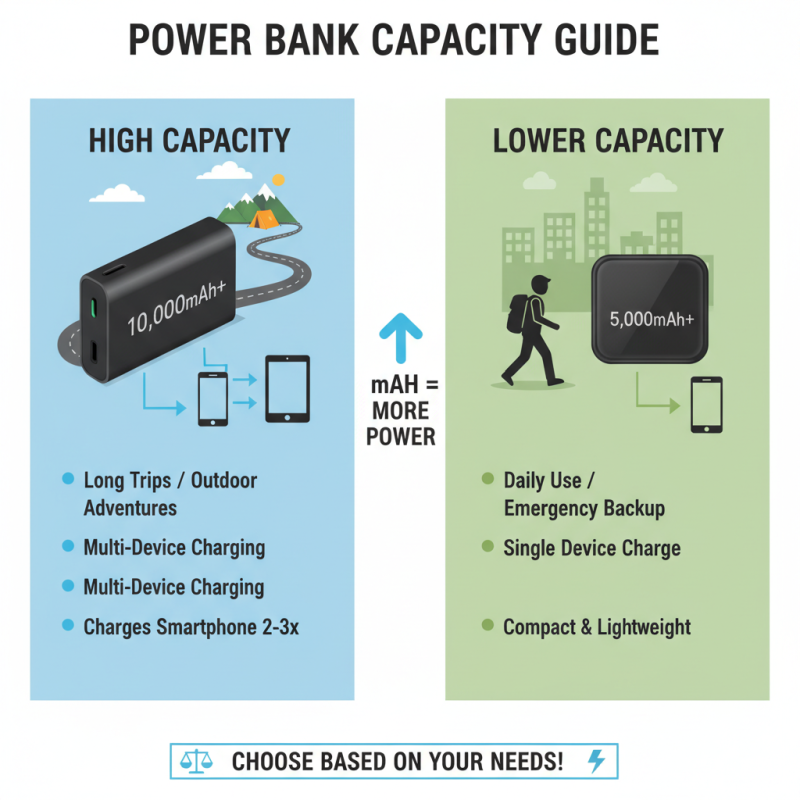
When choosing a portable power bank, capacity is crucial. Capacity is usually measured in milliamp hours (mAh). A higher mAh means more power. For example, a 10,000mAh power bank can charge most smartphones two to three times. This is essential for long trips or outdoor activities. On the flip side, overestimating what you need can lead to carrying unnecessary weight. Sometimes, a smaller capacity is just fine.
Output is another key factor. The output rating, in watts or amperes, determines how quickly devices charge. A 2.1A output can charge a phone faster than a 1A output. However, not all devices are compatible with high output. Some might overheat or become damaged. Knowing your device’s requirements ensures safe charging.
Safety features are often overlooked. Many users assume all power banks are safe. However, features like over-current protection and short-circuit prevention are vital. A power bank needs proper circuitry to prevent accidents. Cheap models might lack these protections. Reflect on your choices and remember that safety should never be sacrificed for price.
Market Trends and Statistics: The Growing Demand for Power Banks
The portable power bank market is booming. Recent reports indicate a compound annual growth rate (CAGR) of over 20% from 2021 to 2026. Consumer demand for power banks has surged. This demand is driven by increased mobile device usage. More devices mean more battery consumption.
In 2022, the global power bank market size reached around $9 billion. By 2026, it is projected to surpass $30 billion. Users seek convenience and reliability. Portable power banks are now essential for modern life. They provide peace of mind during travel and daily commuting.
Yet, challenges remain for manufacturers. Quality control and safety standards are critical. In the industry, overcharging and overheating can lead to failure. Many consumers are unaware of these risks. Education on safe usage is lacking. Organizations need to raise awareness. Understanding proper usage can prevent accidents.
What is a Portable Power Bank and How Does It Work? - Market Trends and Statistics: The Growing Demand for Power Banks
| Year |
Global Market Size (USD Billion) |
CAGR (%) |
Unit Shipments (Million Units) |
Key Features |
| 2020 |
8.5 |
7.5 |
110 |
Fast Charging, Multiple Ports |
| 2021 |
9.2 |
8.0 |
115 |
Slim Design, High Capacity |
| 2022 |
10.0 |
8.5 |
120 |
Wireless Charging, Built-in Cables |
| 2023 |
12.0 |
9.0 |
140 |
Eco-Friendly Materials, LED Indicators |





 Mr. Leaf