What is a Liquefaction Plant and How Does it Work?
A Liquefaction Plant plays a crucial role in the energy sector. It converts natural gas into a liquid form, making it easier to transport and store. The liquefaction process involves cooling the gas down to extremely low temperatures, which condenses it into a liquid. This transformation significantly reduces its volume.
Inside a Liquefaction Plant, various equipment operates with precision. Compressors, heat exchangers, and storage tanks work together to ensure efficient production. Safety measures are vital in this complex facility. Operators must remain vigilant to prevent accidents. The process, while effective, requires constant monitoring and adjustments.
Looking closely, we see that not everything is perfect. Some plants face challenges with energy consumption and emissions. Each design must consider environmental impact while maintaining efficiency. Future innovations may help address these issues, yet the current systems often need improvement. A Liquefaction Plant remains a key player in tomorrow's energy landscape, but it carries responsibilities that cannot be overlooked.
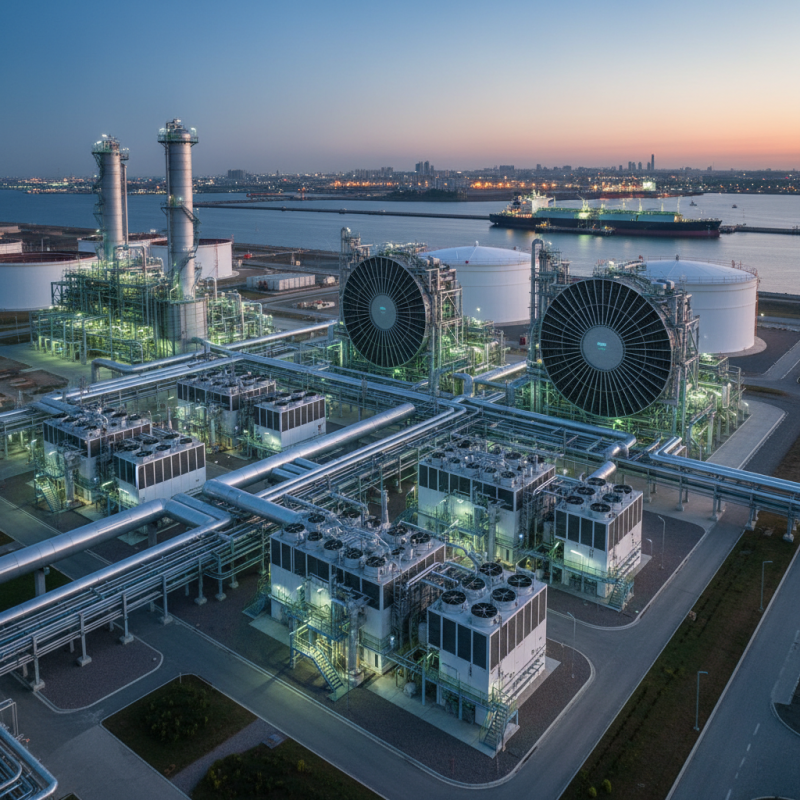
What is a Liquefaction Plant?
A liquefaction plant is a facility that converts natural gas into liquefied natural gas (LNG). This process involves cooling natural gas to a temperature of about -162 degrees Celsius. At this point, gas transforms into a liquid form, reducing its volume significantly. According to the U.S. Energy Information Administration, LNG takes up about 1/600th of its gaseous volume. This small footprint allows for efficient transportation.
The primary components of a liquefaction plant include refrigeration units and heat exchangers. These systems remove heat from the gas, allowing it to condense. A typical liquefaction facility has the capacity to produce millions of tons of LNG annually. However, the technology isn't without challenges. Equipment failures, economic fluctuations, and environmental concerns can hinder operations.
Despite advancements, these plants can create disparities in energy distribution. Countries with access to LNG can thrive, while others may struggle. It's essential to address these inequalities. The development of liquid natural gas presents both opportunities and hurdles in the global energy landscape. As the demand for cleaner energy rises, the role of liquefaction plants will be crucial yet complex.
What is a Liquefaction Plant and How Does it Work?
| Dimension | Description |
| Definition | A liquefaction plant is a facility that converts natural gas into a liquid form for easy storage and transportation. |
| Process | The process generally involves cooling natural gas to -162°C, where it becomes liquefied. |
| Applications | Used in transporting gas across long distances and for storage when pipeline transport is infeasible. |
| Benefits | Increases energy efficiency, reduces transportation costs, and enables global trade of natural gas. |
| Key Components | Compressors, heat exchangers, storage tanks, and regasification facilities. |
| Environmental Impact | While it reduces CO2 emissions compared to other fossil fuels, there are concerns regarding methane leaks during extraction and transportation. |
Key Components of a Liquefaction Plant
A liquefaction plant is designed to convert natural gas into liquid form. This process makes transportation and storage easier. The key components of this plant are crucial for its efficient operation.
One vital part is the pre-treatment unit. This unit removes impurities from natural gas. Impurities can harm the plant's machinery. It’s essential for maximizing efficiency. Another important component is the liquefaction unit. This unit cools the gas to extremely low temperatures. The cooling process transforms gas into a liquid state. It often uses refrigerants to achieve the desired temperatures.
Tips: Regular maintenance of components is critical. Neglect can lead to costly downtimes. Operators should monitor the system closely. Small leaks or temperature fluctuations can indicate problems. Training staff on proper protocols can prevent mishaps. It ensures safe operation.
Storage tanks are also essential. They hold the liquefied gas until it’s ready for transport. These tanks need to be insulated properly. Insulation minimizes evaporation losses. An effective storage design lowers operational costs. However, incorrect setups can result in hazards. Always review safety measures in this area.
The Liquefaction Process: From Gas to Liquid
The liquefaction process involves transforming natural gas into liquid form. This reduction in volume makes it easier and more efficient to transport. The key principle is cooling gas to around -162 degrees Celsius. At this temperature, gas becomes a liquid, shrinking its volume by approximately 600 times.
During the liquefaction process, several steps are involved. Gas is initially purified to remove impurities like water and carbon dioxide. This is crucial. Any contaminants can disrupt the liquefaction process. After purification, the gas undergoes cooling. Various technologies are employed, including the use of refrigerants for optimal cooling efficiency. According to the International Journal of Refrigeration, improvements in cooling technology have enhanced energy efficiency by about 20% over the last decade.
Energy consumption remains a concern in the liquefaction industry. The U.S. Department of Energy reported that liquefaction plants consume 10-15% of the energy produced from the gas. This figure raises questions about the overall sustainability of the process. As global demand for liquefied natural gas (LNG) rises, balancing energy use and production remains challenging. Enhancing technology while addressing energy needs is crucial for the future of liquefaction.
Efficiency Metrics: Understanding Liquefaction Capacity
Efficiency metrics are crucial when evaluating liquefaction plants. Liquefaction capacity refers to the volume of gas that can be converted into liquid form efficiently. According to a report by the International Gas Union, modern liquefaction plants can achieve an efficiency of about 90%. This high efficiency maximizes output and minimizes energy consumption.
Various factors contribute to this efficiency. The design of the plant, the technology used, and the operating conditions all play a significant role. For instance, the process of cooling and condensing natural gas uses complex refrigeration cycles. Small inefficiencies in these cycles can lead to significant losses. A study published by the Gas Technology Institute noted that optimizing these cycles could improve capacity by up to 15%.
Not all liquefaction plants perform equally. Some might struggle with outdated systems. Routine maintenance is essential to ensure optimal function. Neglecting this can lead to bottlenecks, impacting overall efficiency. Industry experts suggest that regular audits help identify these weaknesses. By addressing them, plants can operate closer to their maximum capacity.
Liquefaction Plant Efficiency Metrics
This chart illustrates the liquefaction capacity in terms of efficiency metrics. The data represents the amount of gas produced per unit of energy consumed across different liquefaction plants.
Global Liquefaction Plant Statistics and Trends
Global liquefaction plants have become essential in the energy sector. According to recent industry reports, the global liquefied natural gas (LNG) market is expected to witness substantial growth. It is projected to reach $70 billion by 2030, growing at a compound annual growth rate (CAGR) of 6.5%. This growth indicates a pressing need for efficient liquefaction technologies.
In 2022, around 30% of the world's LNG was produced from new liquefaction facilities. Countries like the United States, Qatar, and Australia dominate this production. Over 15 liquefaction projects are under construction globally, as data shows increasing demand for cleaner energy sources. However, many plants face challenges, including environmental impact assessments and regulatory compliance.
Operational efficiency remains a concern. Many existing facilities have inefficiencies in energy consumption and process loss during operation. The push for modernization is strong, and technological advancements are needed. Reports indicate that energy losses in liquefaction can reach up to 10%. Countries investing in research aim to reduce this figure significantly. The industry must reflect on the balance between growth and sustainability.



 Mr. Leaf