The Ultimate Guide to Choosing the Best High Capacity Power Bank for Your Needs
In today's fast-paced world, staying connected has never been more crucial. As we rely on our devices for work, communication, and entertainment, the need for a reliable power source has become paramount. This is where the concept of a "High Capacity Power Bank" comes into play. Expert in portable charging solutions, Dr. Emily Harris, emphasizes, "A high capacity power bank is not just an accessory; it's a lifeline for those who depend on technology throughout their day."
When choosing the best high capacity power bank for your needs, it's essential to consider various factors such as capacity, charging speed, and portability. The right power bank can provide the assurance that your devices will remain charged during critical moments, whether you're on a business trip, camping in the wilderness, or simply navigating a busy day. Understanding how to select the ideal power bank tailored to your lifestyle can make a significant difference in your daily routine.
In this guide, we will delve into the key features you should look for when selecting a high capacity power bank, ensuring you make an informed decision that keeps your devices powered up and ready for action, no matter where life takes you.
Understanding Power Banks: What You Need to Know
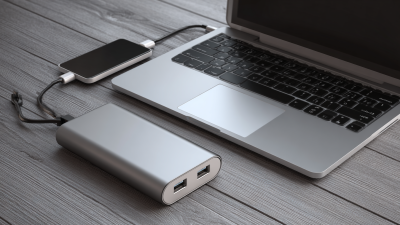
Power banks have become essential accessories in our increasingly mobile world, allowing users to charge their devices on the go. Understanding the basics of how power banks work can help you make informed choices when selecting one that meets your specific needs. At their core, power banks store electrical energy in their internal batteries, which can then be transferred to other devices via USB. The capacity of a power bank is measured in milliampere-hours (mAh), indicating how much energy it can hold and how many times it can recharge your devices before needing a recharge itself.
When considering a power bank, it’s important to think about not just capacity but also output power, size, and additional features. A higher mAh rating typically means more charges for your phone or tablet, but if a power bank is excessively bulky or heavy, it might be impractical for everyday carry. Output power, measured in watts, determines how quickly your device can be charged; some power banks support fast charging technology that can significantly reduce charging times. Additionally, look for features such as multiple USB ports, LED indicators, and even solar charging capabilities for versatility in different situations. Understanding these elements will greatly enhance your chances of finding a power bank that aligns perfectly with your lifestyle and charging needs.
Key Features to Consider When Choosing a High Capacity Power Bank
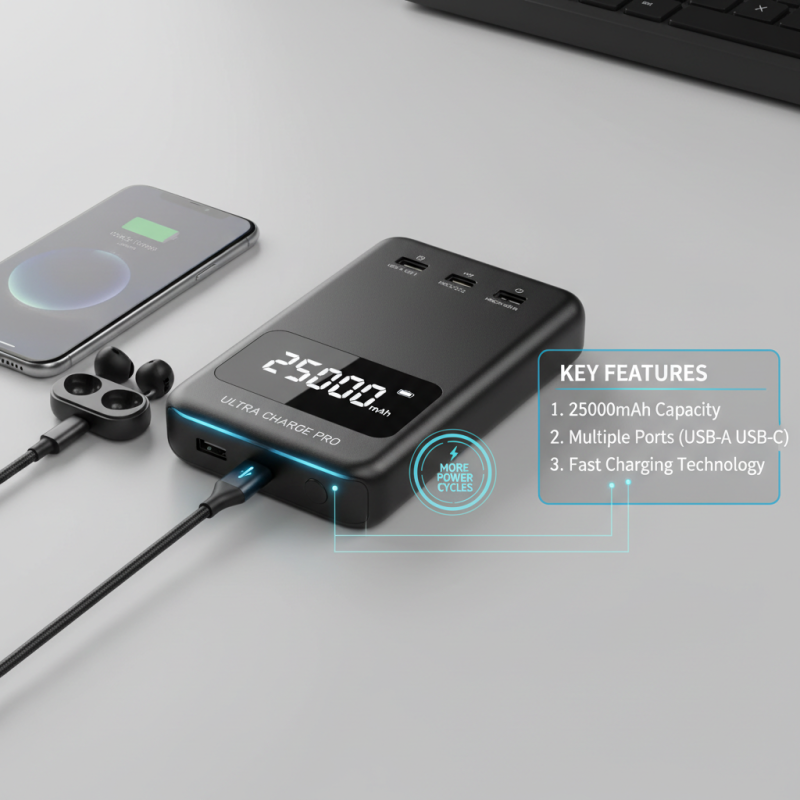
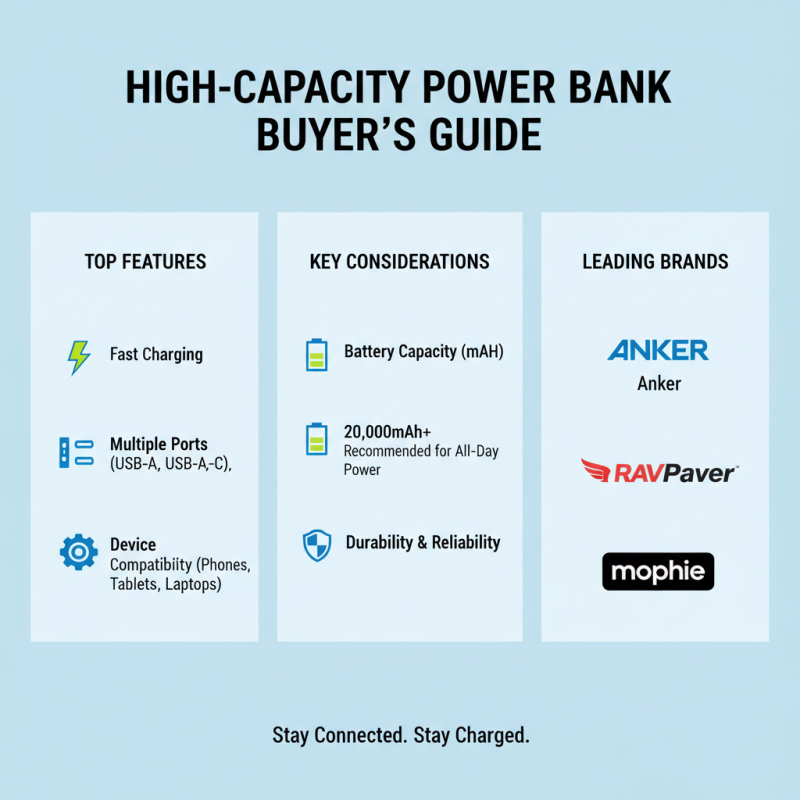
When selecting a high-capacity power bank, several key features can significantly impact your experience. First, the battery capacity, measured in milliampere-hours (mAh), is crucial. Essentially, a higher mAh rating typically means more charging cycles for your devices. For daily use with multiple devices, look for power banks that offer at least 20,000 mAh to ensure you have enough power for extended trips or heavy usage without frequent recharging.
Another important consideration is the output power, which determines how quickly your devices will recharge. Look for power banks that provide fast charging capabilities, typically indicated by higher output ratings, such as 2.1A or 3.0A. Additionally, multiple output ports can be beneficial if you need to charge several devices simultaneously. This feature allows you to power up your phone and tablet at the same time, making it a practical choice for multitaskers. Don't overlook safety features like overcharge protection and temperature control, which are essential for ensuring the longevity of both the power bank and your devices.
Comparing Different Types of High Capacity Power Banks
When it comes to selecting a high capacity power bank, understanding the different types available on the market can significantly influence your decision. The primary types include lithium-ion (Li-ion) and lithium polymer (LiPo) power banks. Lithium-ion power banks are traditionally more common, offering a robust energy density and a longer lifespan. They tend to be lightweight and compact, making them ideal for daily carry. In contrast, lithium polymer power banks are known for their versatility in shape and size. They can be made thinner and lighter, which is particularly beneficial for users seeking a sleek design.
Another important aspect to consider is the charging speed and output options. High capacity power banks typically come with various output ports, including USB-A and USB-C, allowing for the simultaneous charging of multiple devices. Some advanced models feature fast-charging technology, which can significantly decrease the time needed to recharge your devices. By comparing these features, you can better determine which type of power bank will cater specifically to your lifestyle, whether you frequently travel or need reliable charging for everyday use. Ultimately, the choice hinges on balancing capacity, portability, and charging capabilities to meet your personal needs.
The Ultimate Guide to Choosing the Best High Capacity Power Bank for Your Needs
| Type |
Capacity (mAh) |
Output Ports |
Weight (g) |
Price ($) |
| Lithium-Ion |
20,000 |
2 |
400 |
45 |
| Lithium Polymer |
30,000 |
3 |
500 |
60 |
| Solar Power Bank |
25,000 |
2 |
600 |
55 |
| Quick Charge |
26,800 |
2 |
450 |
50 |
| Ultra Slim |
10,000 |
1 |
300 |
35 |
Top Brands and Models: A Review of the Best Options
When it comes to selecting the best high capacity power bank, understanding the top brands and models can significantly enhance your decision-making process. Leading brands often combine advanced technology with durable designs, ensuring that you get not only performance but also reliability. Look for models that feature multiple charging ports, fast charging capabilities, and are compatible with a wide range of devices. Consider the battery capacity measured in milliampere-hours (mAh) to find a power bank that meets your power needs throughout the day.
Tips for choosing the right power bank include evaluating your typical usage scenarios. If you frequently travel, opt for a lightweight model that can still hold a charge for multiple devices. Features like LED indicators can help you monitor power levels without needing to turn the device on. Another key point is to read user reviews, as they can offer insight into real-life performance and potential drawbacks that specifications alone might not reveal.
In addition, pay attention to the warranty and customer service that brands provide, as these can be beneficial in case of any issues later on. Remember that power banks with built-in safeguards against overheating and overcharging can prevent damage to your devices, enhancing safety during use. Prioritizing these factors will lead you to a high-capacity power bank that effectively meets your needs.
Tips for Maintaining and Maximizing Power Bank Lifespan
Maintaining and maximizing the lifespan of your high-capacity power bank is essential for ensuring it delivers reliable performance over time. One of the most important tips is to avoid overcharging your device. Many modern power banks come with built-in protection against overcharging, but it's still wise to unplug them once they reach 100%. Additionally, storing your power bank in a cool, dry place can prevent damage from excessive heat, which can degrade battery health and capacity.
Another key point to remember is to regularly discharge and recharge your power bank. Lithium-ion batteries, which are commonly used in power banks, benefit from being used frequently. Aim to cycle through your power bank at least once a month to keep the battery chemistry active. Furthermore, try to charge your power bank when it's around 20-30% charged rather than letting it fully drain, as this practice can enhance its overall lifespan.
Finally, avoid exposing your power bank to extreme temperatures and moisture. High or low temperatures can affect the battery's performance and longevity. Ensure that your power bank is kept away from direct sunlight and humid environments. By adhering to these maintenance tips, you can ensure your high-capacity power bank remains a reliable power source for all your devices for years to come.





 Mr. Leaf