How to Choose the Best Portable Power Bank for Your Needs?
Choosing the right Portable Power Bank is essential in today’s digital age. With our devices relying heavily on battery life, having a dependable power source is crucial. A Portable Power Bank serves as a lifeline, ensuring you stay connected, whether on a weekend trip or during a busy day at work.
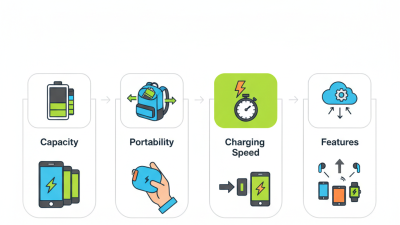
When selecting a Portable Power Bank, consider your specific needs. Think about the types of devices you charge, the capacity required, and the charging speed necessary for your lifestyle. A higher capacity may sound appealing, but it can also mean more weight to carry. It’s important to find a balance between power and portability.
Do not overlook the importance of safety features and brand reputation. A lesser-known brand may be tempting due to lower prices, but this often comes with risks. Charging circuits may lack necessary protections. Take time to research reliable options, reading reviews and user experiences. A little effort can lead to smarter choices, ultimately saving you time and frustration.
Understanding Your Power Requirements for Portable Devices
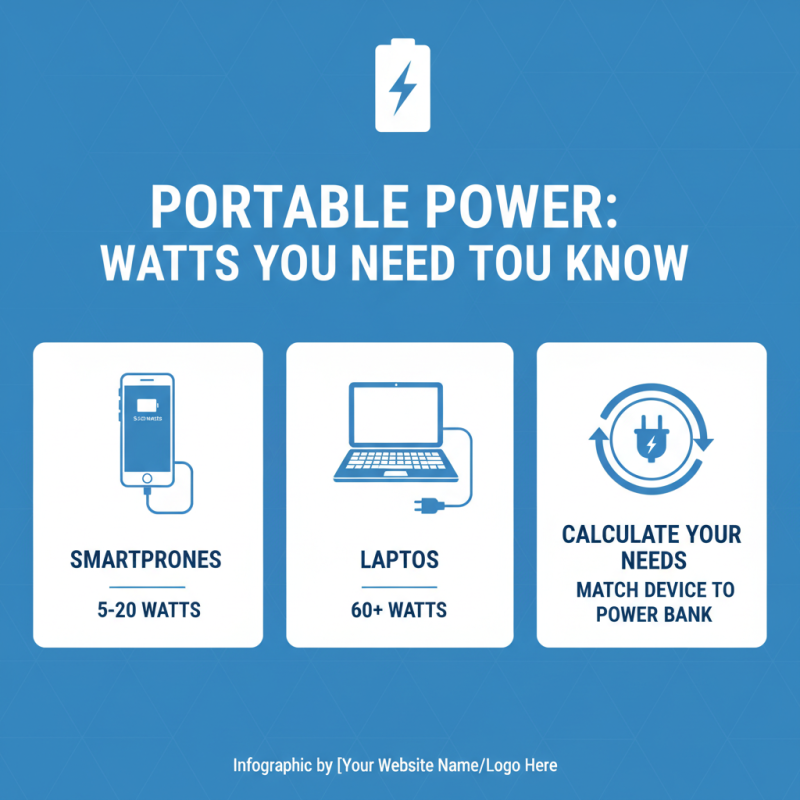
Understanding your power requirements is crucial when selecting a portable power bank. Different devices consume varying amounts of energy. For example, smartphones may require around 5-20 watts. Laptops often need substantially more, sometimes exceeding 60 watts. Calculating your device's power requirements helps ensure you choose a bank that can effectively charge your devices.
Consider how often you use your devices on the go. If you're a frequent traveler, you might struggle with low battery anxiety. What if your power bank isn’t enough for your laptop? A reliable power bank with higher capacity could save you from moments of frustration. It's essential to think critically about your daily usage and plan accordingly.
Sometimes you may underestimate your needs. A power bank that worked for one trip might not suffice for longer journeys. Investing in a power bank with an appropriate capacity, ideally over 20,000mAh, can provide the necessary flexibility. Don’t overlook compatibility, either; ensure connections fit your gadgets well. Keep experimenting with different capacities and features until you find the right match.
Key Features to Look for in a Portable Power Bank
When selecting a portable power bank, understanding key features is vital. Capacity is measured in milliamp hours (mAh). A power bank with at least 10,000 mAh can charge most smartphones two to three times. A report from the International Data Corporation indicates that power banks with higher capacities are in high demand, with consumers preferring those above 20,000 mAh for longer trips.
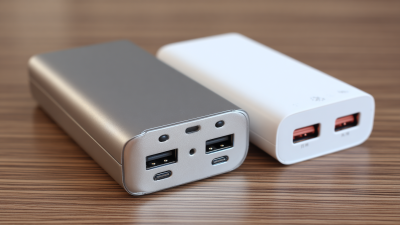
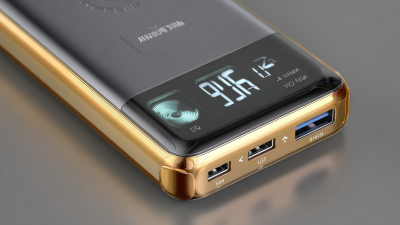
Output speed is another crucial factor. Look for power banks with Quick Charge technology. This allows your device to charge faster, saving you time. Many modern power banks provide both USB-A and USB-C ports, accommodating various devices. According to a 2022 survey, charging speeds significantly impact user satisfaction, with 72% of respondents favoring faster solutions.
Tips: When shopping, think about weight and size. Larger capacity often means bulkier units. A power bank weighing over a pound may be less portable. Additionally, check for safety features like overcharge protection. Many users overlook safety, yet this could prevent device damage. Make an informed choice by prioritizing quality over cost savings for reliability.
Comparing Battery Capacity and Output Performance
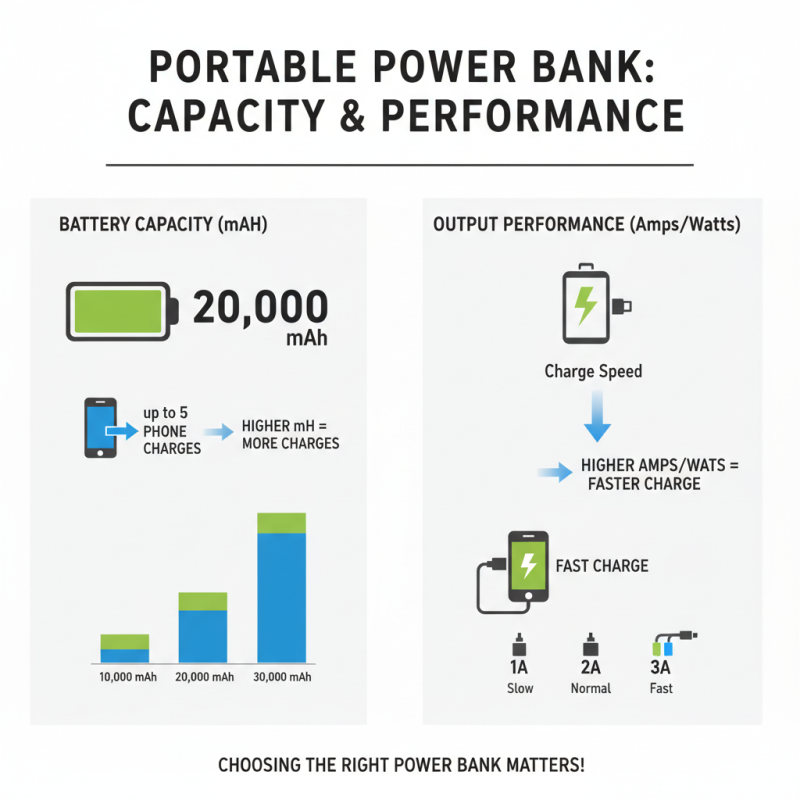
When selecting a portable power bank, battery capacity and output performance are crucial. Battery capacity, measured in milliampere-hours (mAh), indicates how much charge the bank can hold. A higher rating usually means more charges for your devices. For instance, a 20,000 mAh power bank can charge a typical smartphone up to five times.
Output performance is equally important. It dictates how fast your devices will charge. A power bank with a 2.1A output can charge a phone much quicker than one with a 1A output. For optimal usage, look for power banks that feature smart charging technology. This ensures your device gets the correct amount of power.
Tips: Always check the compatibility of the power bank with your devices. Some power banks may not support rapid charging for all models. Keep in mind that build quality varies. A sturdy design can prevent wear and tear. Remember to review user feedback. Real-world experiences can guide you to a reliable choice.
Assessing Size, Weight, and Portability Considerations
When selecting a portable power bank, size and weight are critical factors. A study by Market Research Future noted that 70% of consumers prioritize portability over capacity. Lightweight models typically weigh less than 250 grams. This makes them easier to carry on daily commutes or outdoor adventures. However, lightweight options often have lower energy capacity, which can lead to inconvenient recharge times.
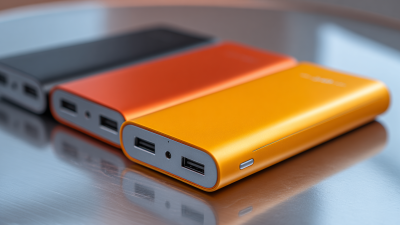
Portability goes beyond weight. Dimensions matter, too. Compact designs can fit in your pocket or small bags. Models measuring around 10cm in length and 6cm in width tend to be user favorites. However, smaller units often have fewer charging ports, limiting their usability. This raises a dilemma: convenience versus functionality. According to industry reports, consumers often wish they had chosen a model with more features, only to realize they prioritized size.
Consider your activities. If you travel often, a bulkier power bank with multiple outputs might be needed. Alternatively, casual users may find a slim, modest device more than sufficient. It's essential to assess your lifestyle and charging habits. Balancing size and performance can be challenging, but it’s crucial for meeting your specific needs and expectations.
Power Bank Characteristics Comparison
This chart compares three different portable power banks based on their capacity, weight, and size. Capacity is measured in milliamp hours (mAh), weight is in grams, and size is in cubic centimeters (cm³). Choose the power bank that best meets your portability and power needs.
Evaluating Price, Brand Reliability, and Warranty Options
When selecting a portable power bank, price is a crucial factor. A report indicates that consumers often prioritize affordability. However, it's essential to balance cost with quality. Cheaper options may lack safety features, risking damage to devices. A recent study shows that power banks priced above $30 tend to offer better reliability. Investing in a mid-range option can ensure you don’t compromise on performance.
Brand reliability plays a significant role in your choice. Trustworthy brands often provide transparent specifications. Research shows that established brands have a lower failure rate of around 5%. In contrast, lesser-known brands can see failure rates exceeding 15%. Check for user reviews and testimonials to gauge real-world performance. Reliable brands typically offer consistent customer service as well.
Warranty options are another critical consideration. A typical warranty lasts one to two years. Some brands provide extended warranties, reflecting their confidence in product longevity. According to industry analysis, products with a three-year warranty often signal higher quality. Pay attention to warranty terms, as they can reveal a brand’s commitment to customer satisfaction.
How to Choose the Best Portable Power Bank for Your Needs?
| Capacity (mAh) |
Price ($) |
Output Ports |
Weight (grams) |
Warranty (years) |
| 10000 |
25 |
2 |
200 |
2 |
| 20000 |
45 |
3 |
400 |
1 |
| 30000 |
60 |
4 |
600 |
1 |
| 40000 |
85 |
4 |
800 |
2 |



 Mr. Leaf