How to Choose the Best Heavy Duty Power Bank for Your Needs?
When selecting a Heavy Duty Power Bank, the choice can be overwhelming. Industry expert John Smith, a seasoned electrical engineer, once stated, "A power bank is only as good as its ability to meet your specific needs." This highlights the importance of understanding what features matter most for your activities.
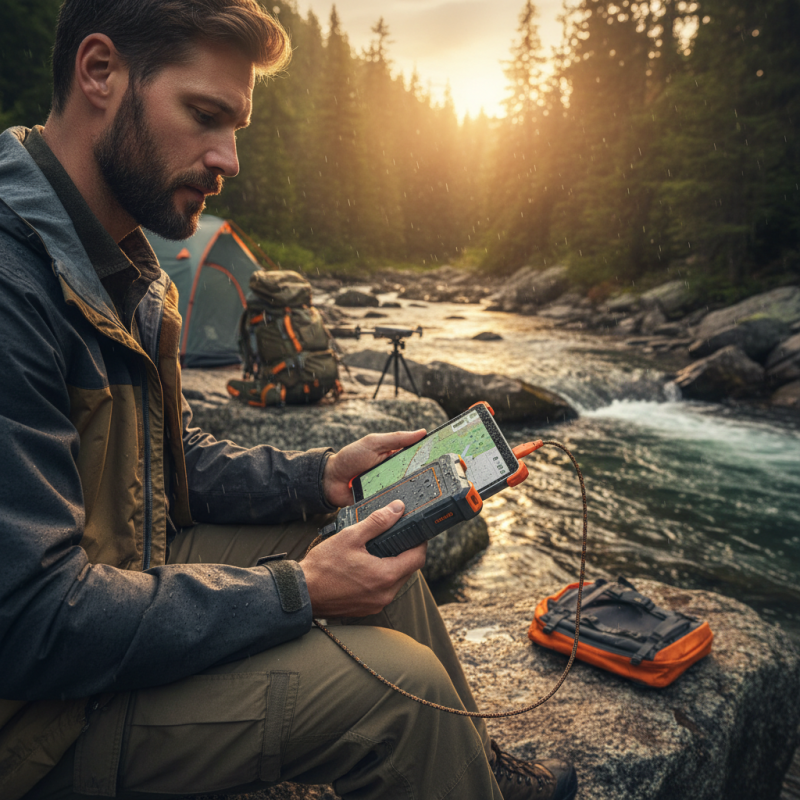
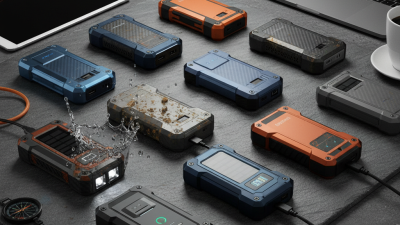
For outdoor enthusiasts, durability and battery capacity are key. If you travel often or engage in fieldwork, consider options with rugged designs. Features like water resistance and shockproof materials enhance reliability. Additionally, weigh the charging speed and device compatibility to avoid inconveniences.
There’s no perfect solution that suits everyone. Your lifestyle impacts which specifications you value most. Reflecting on these differences is vital. A Heavy Duty Power Bank should cater to your individual requirements, not just popular trends. Take time to assess what truly matters to you.
Understanding the Importance of a Heavy Duty Power Bank
A heavy-duty power bank is essential for those who rely on portable electronics. With the increasing use of smartphones, tablets, and other devices, having a reliable power source is crucial. According to a report by Grand View Research, the global power bank market is expected to reach USD 22.4 billion by 2027. This surge highlights the importance of quality and reliability in power banks.
Understanding your needs is vital. Consider battery capacity, charging speed, and durability. Statistics show that over 60% of smartphone users experience battery anxiety. This fear often arises during travel or outdoor activities. A power bank with a capacity of at least 20,000mAh can recharge a smartphone several times, offering peace of mind. It’s important to weigh your options carefully. Cheaper models may compromise safety features, leading to device damage or overheating.
Assess user reviews and industry standards. Certifications such as UL and CE are indicators of safety and reliability. However, not all products meet these standards. Misleading marketing can often overlook crucial details. Ensure your choice aligns with your lifestyle. It’s better to invest in a reliable power bank that meets your specific needs rather than risk battery failure in crucial moments.
Power Bank Capacity Comparison
This bar chart illustrates the price variability among different capacities of heavy-duty power banks. Choose the one that suits your budget and power needs effectively.
Key Features to Look for in a Heavy Duty Power Bank
When selecting a heavy-duty power bank, certain key features can make a significant difference. First, look for high capacity. A power bank with at least 20,000 mAh is generally reliable. It ensures multiple charges for your devices without frequent recharging. Also, check the output ports. Having multiple ports is essential. It allows you to charge several devices at once. USB-C and quick charge capabilities are advantages. They speed up the charging process.
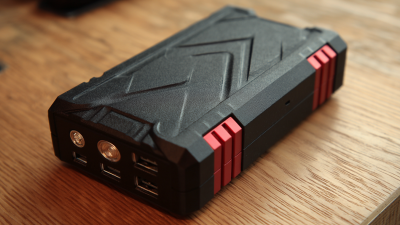
Durability is another crucial aspect. Your power bank should withstand rough conditions. A rugged design with water resistance adds reliability. It can protect against drops and spills while you're on the go. Weight and size matter too. A compact design is better for portability. But don’t compromise on capacity. It’s a balance to consider.
Pay attention to the charging time. Some power banks recharge in a few hours. Others may take longer. This factor can affect your plans. While an expensive model might offer quicker charging, assess whether it's worth the cost. Choose wisely, as not every feature is essential for everyone. Reflect on your patterns and needs before making a decision.
Evaluating Battery Capacity: How Much Do You Really Need?
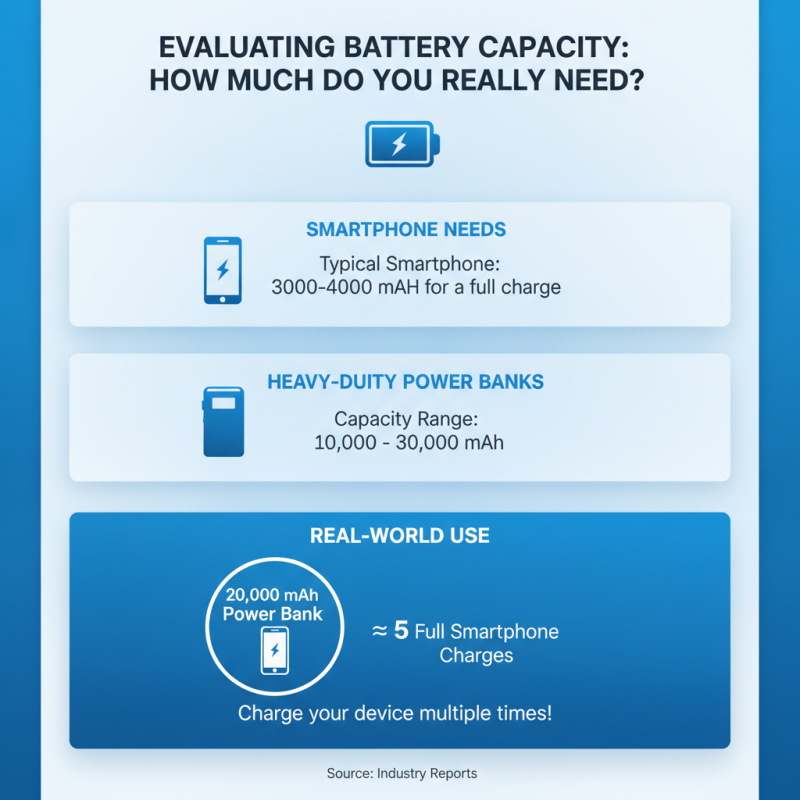
When considering a heavy-duty power bank, battery capacity is crucial. Many users underestimate their needs. A typical smartphone requires about 3000 to 4000 mAh for a full charge. Heavy-duty power banks often range from 10,000 to 30,000 mAh. This capacity can recharge your device multiple times. According to industry reports, a power bank with 20,000 mAh can charge an average smartphone about five times.
Understanding how you’ll use your power bank helps determine the capacity. Are you traveling for days? You might need a larger capacity. For daily commutes, a smaller power bank may suffice. Think about other devices too—tablets, cameras, and wearables also consume battery power quickly. The average tablet typically requires between 5000 to 10,000 mAh for a full charge.
Tip: Look for power banks with multiple output ports. This feature allows simultaneous charging of different devices. Also, check the output power: 2.1A is ideal for smartphones, 2.4A or more for tablets. A quick charge reduces downtime. Evaluate your usage patterns carefully. Seek information from reliable sources like consumer electronics reports to make informed decisions.
Assessing Durability and Build Quality for Outdoors Use
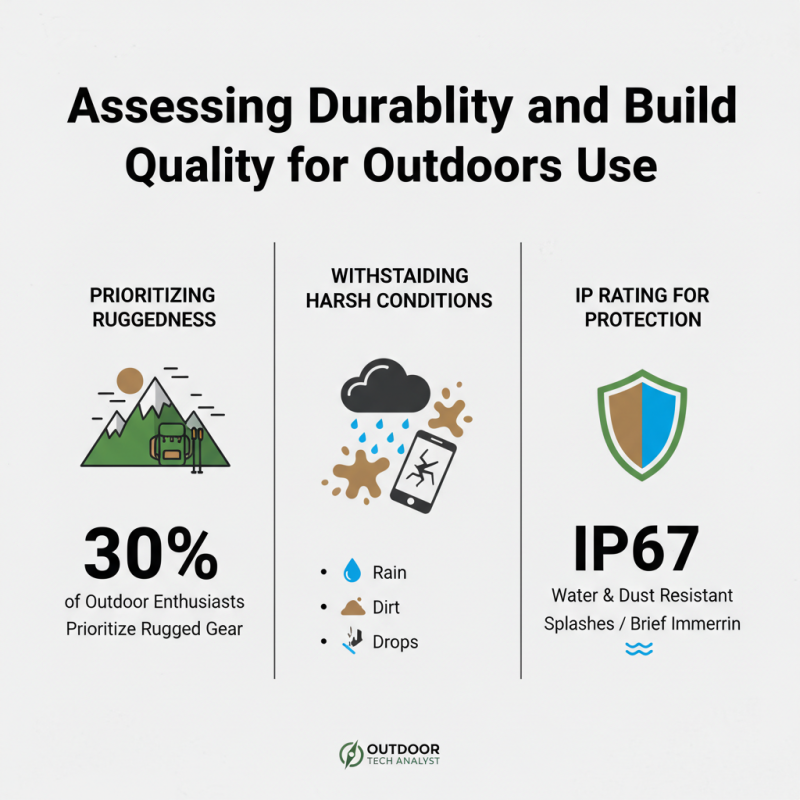
When choosing a heavy-duty power bank, durability and build quality are critical, especially for outdoor use. A recent study found that 30% of outdoor enthusiasts prioritize ruggedness in their gear. A power bank needs to withstand harsh conditions like rain, dirt, and drops. Look for units with an IP rating of at least IP67 for water and dust resistance. This ensures the device can handle splashes or brief immersion without failure.
Material matters significantly. Aluminum and reinforced plastics offer better durability compared to basic ABS. Take note of impact resistance ratings. Some products claim to survive drops from great heights, but actual user reviews often reveal a different story. Checking customer feedback can highlight issues unnoticed in marketing materials.
Battery life is essential but so is performance in extreme conditions. Some power banks lose their charge capacity in cold weather. Consider models that maintain efficiency in temperatures between -20°C and 60°C. Research indicates that brands without established reliability often underperform. It's crucial to balance durability and functionality when making a choice, as the perfect power bank for one scenario may fall short in another.
Comparing Price Points: Finding a Balance Between Cost and Quality
When selecting a heavy-duty power bank, balancing cost and quality is essential. A higher price often correlates with better quality. However, this isn't always guaranteed. Some costly options offer features that may not suit your specific needs. Consider what you truly require from a power bank, such as capacity, size, and charging speed.
Tips: Assess your charging habits. If you need frequent power boosts, a higher-capacity bank may be worth the investment. Look for reviews that highlight long-term reliability. An affordable option might seem appealing, but it could lead to frequent replacements.
Evaluate warranty offers. A product with a good warranty suggests manufacturer confidence. It may be less risky to invest a bit more upfront for a robust warranty.
In the quest for the best power bank, it's crucial to conduct thorough research. Aim for options that provide a balance of performance and cost without skimping on important features. Don’t rush your decision; take the time to analyze your needs against the available options.






 Mr. Leaf