How to Choose the Best Heavy Duty Power Bank for Your Needs?
Choosing the right Heavy Duty Power Bank can be overwhelming. Many options flood the market, each with unique features and specifications. Understanding your specific needs is crucial.
A Heavy Duty Power Bank should meet different charging requirements. Consider factors like capacity, portability, and durability. A high capacity ensures multiple charges, especially for extended trips. Meanwhile, portability is essential for everyday use.
It’s worth noting that not all products live up to their promises. Some heavy duty models may be bulkier than expected. Others might not perform well under heavy use. Testing the product firsthand can help avoid disappointment.
Understanding Heavy Duty Power Banks and Their Importance
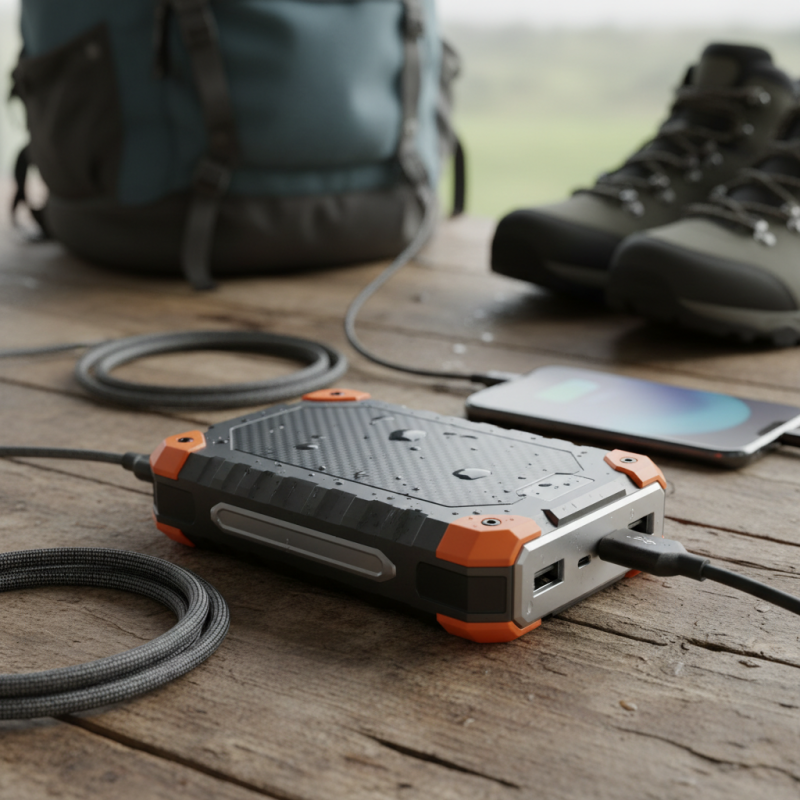
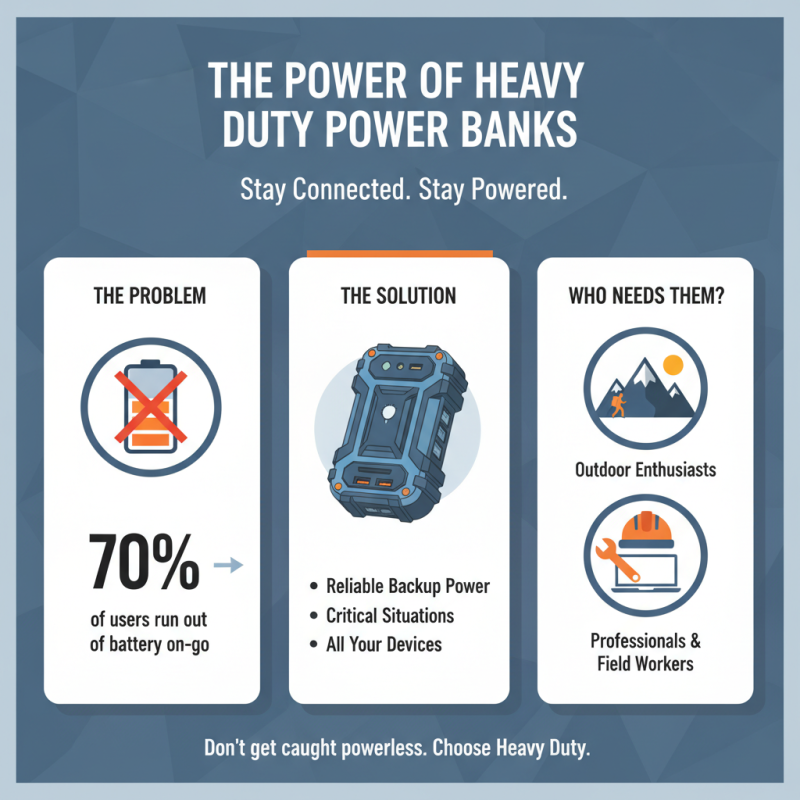
Heavy duty power banks have become essential for many, especially for outdoor enthusiasts and professionals. A recent survey indicated that 70% of mobile device users admit to running out of battery while on the go. This statistic highlights the need for reliable power sources. Heavy duty power banks can provide the necessary backup power in critical situations, ensuring that important devices remain operational.
These power banks typically have a high capacity, often ranging from 20,000mAh to 30,000mAh or even more. This capacity can charge a smartphone multiple times or even power a laptop. However, not all heavy duty power banks are built the same. Some models are bulkier, which can be inconvenient. Users often struggle with finding a balance between size and power. Therefore, it's crucial to assess individual needs before making a choice.
Durability is another important aspect. Many heavy duty power banks claim to be shockproof and water-resistant. Still, real-world testing often reveals vulnerabilities. A study in the industry found that 15% of power banks failed during rugged use. This raises questions about reliability. Users should always consult product reviews and specifications to ensure they choose a device that meets their lifestyle demands.
Key Features to Consider When Selecting a Power Bank
Choosing a heavy-duty power bank can be overwhelming. There are many features to consider.
Capacity is crucial. A higher milliamp-hour (mAh) rating means more power. Look for options that can charge multiple devices.
This is useful for group outings or long trips.
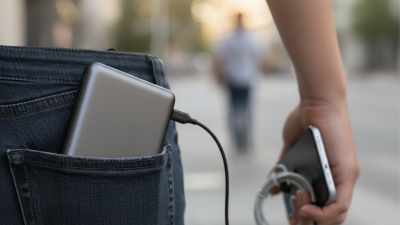
Portability cannot be overlooked. A bulky power bank can be cumbersome. Consider weight and size. It should fit comfortably in your bag or pocket.
Also, think about durability. A rugged design can withstand drops and rough handling. If you travel often, this is essential.
Charging speed matters too. Quick charge technology can save time. Some power banks offer multiple charging ports. This allows simultaneous charging of devices.
Don’t forget about additional features like built-in cables or LED indicators. These can enhance user experience. Reflect on what features you truly need.
A power bank that doesn’t meet your specific needs will just be extra weight.
Evaluating Battery Capacity and Output for Your Devices
When choosing a heavy-duty power bank, understanding battery capacity and output is crucial. The battery capacity is measured in milliampere-hours (mAh). A power bank with higher mAh can charge devices multiple times. For instance, a 20,000 mAh power bank can fully charge a typical smartphone around five times. However, this doesn't always guarantee quality performance. Many users overlook the output rate.
Output is expressed in volts and amps. A power bank with 5V/2A output can charge devices faster than one with 5V/1A. Fast charging capabilities are important. According to a 2022 survey, 72% of users prefer power banks that can deliver rapid charge. Faster charging reduces wait time, making them ideal for busy lifestyles or emergencies.
However, not all power banks deliver their promised capacity. Some may have lower efficiency due to circuitry. Users should consider actual usage scenarios too. For frequent travelers, a lightweight, high-capacity option may be beneficial. Yet, it’s essential to balance weight and power needs. Each choice has trade-offs. Sometimes, users may regret choosing capacity over portability. Being educated about both battery capacity and output ensures you find what really fits your needs.
Comparing Portability and Design Factors in Power Banks
When choosing a heavy-duty power bank, portability and design play crucial roles. The size and weight of the power bank can significantly affect your experience. A power bank that is too bulky can become a hassle to carry. Aim for a model that fits comfortably in your backpack or pocket. Consider the shape as well. Sleek designs often make it easier to store and take out.
Tips: Look for power banks with rounded edges. They tend to be more comfortable to hold. Also, check the material. Lightweight yet durable options are ideal.
The overall design also matters. Some power banks come with built-in cables. This can reduce the clutter of carrying extra accessories. However, built-in cables may not always support all devices. It's a trade-off you need to consider.
Don’t overlook the color options. While functionality is key, a design that matches your personal style can enhance your experience. Choose a color or finish that appeals to you. It might encourage you to use it more often. A well-designed power bank can be both practical and a statement piece.
Assessing Brand Reputation and Warranty Options
When selecting a heavy duty power bank, brand reputation matters. A reliable brand often shows consistent quality and customer service. Check online reviews to gauge user experiences. Look for brands with a solid track record. But remember, not all well-known brands are perfect. Some may have faced issues with their products.
Warranty options can also reveal a lot. A good warranty indicates the manufacturer's confidence in their product. Look for power banks with at least a one-year warranty. This coverage should include defects and failures. Some brands have great service, while others may not honor their warranties. Choosing carefully is essential.
**Tips:** Evaluate how long the brand has been in the market. Newer brands might offer good deals, but their reliability is often untested. Compare warranty specifics; some may hide conditions in fine print. The right choice combines reputation and coverage, but be wary of marketing gimmicks.






 Mr. Leaf