Best Wireless Power Bank Features and Benefits You Need to Know?
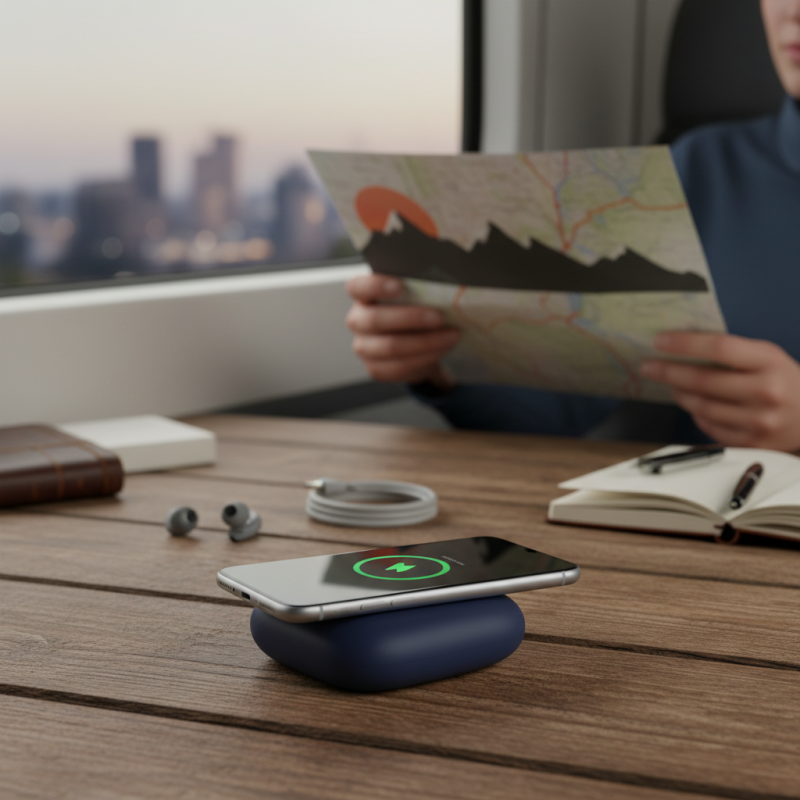
In today's fast-paced world, staying connected is essential. One tool that has gained popularity is the Wireless Power Bank. This device eliminates the hassle of tangled cords. It allows for convenient charging on the go. Imagine hiking in the mountains or commuting on the train. You can simply place your phone on the power bank to recharge.
Wireless Power Banks offer many features. They often come with fast charging capabilities. Their sleek designs make them portable and lightweight. Yet, not every model meets quality standards. Some may not charge as quickly as promised. It's crucial to research before purchasing. Look for user reviews and recommendations.
They can also be a bit pricey. A high-quality Wireless Power Bank might not fit every budget. However, the convenience they provide is undeniable. When selecting one, prioritize trusted brands. This ensures you get the best features and reliability. Remember, a bit of investment can keep your devices powered throughout the day.
Key Features of Wireless Power Banks to Consider
Wireless power banks are becoming essential gadgets. They provide convenience and flexibility, especially for those on the go. However, understanding their key features is crucial for an informed purchase.
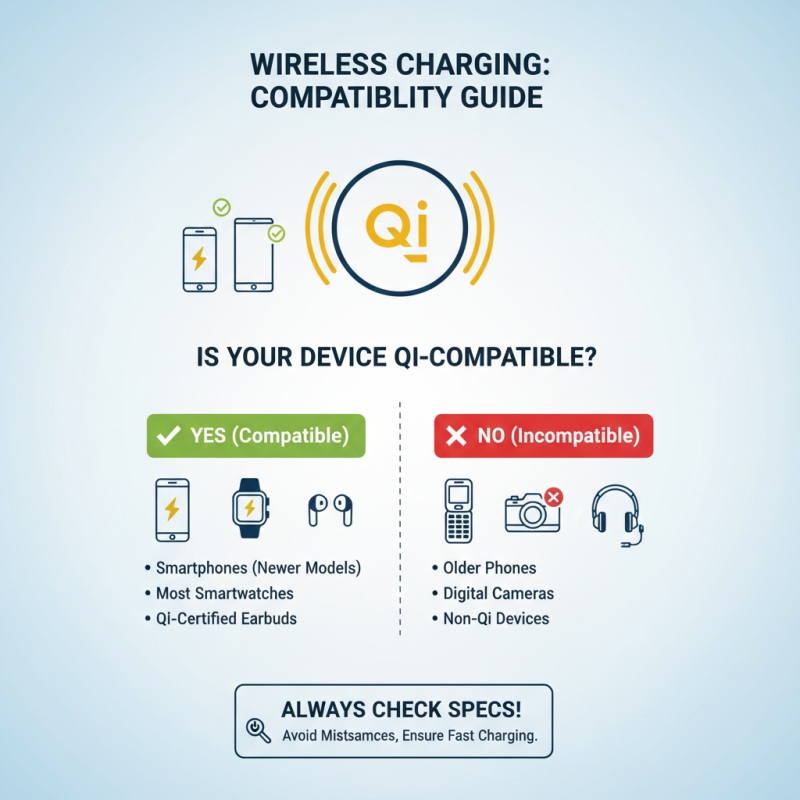
One important feature is compatibility. Not all devices support wireless charging. Check if your phone or tablet works with Qi technology. A good power bank should also have multiple charging outputs. This allows you to charge more than one device simultaneously. Some models even have fast charging capabilities, saving you valuable time when you’re in a rush.
Tips: Always consider the battery capacity. A higher mAh rating means more charging power. But remember, larger power banks can be bulkier. You must find a balance between portability and capacity. Additionally, ensure the power bank has safety features. Overheating and overcharging can be concerns. Look for models with built-in protection mechanisms.
Wireless power banks offer great benefits, but there can be drawbacks. Some users report slower charging speeds compared to traditional chargers. This can be frustrating when you're in a hurry. Some units may also be heavy and not easy to carry. Take time to reflect on your charging needs before choosing a model.
Advantages of Using Wireless Power Banks Over Traditional Chargers
Wireless power banks are transforming how we charge devices. They offer convenience and ease of use. Imagine simply placing your phone on a power bank without the fuss of cables. This simple act saves time and reduces clutter. Carrying a wireless charger means one less cord to deal with.
One key advantage is compatibility. Many devices now support wireless charging standards. This means you can charge various gadgets effortlessly. However, some devices may not support these features, limiting effectiveness. It's also worth noting that charging speed can vary. Sometimes, it feels slower than traditional options. This can be a point of frustration for users seeking quick power boosts.
Another benefit is portability. Wireless power banks are often sleek and lightweight. They fit easily in pockets or bags. But beware—small sizes can lead to limited capacity. Users might find themselves running out of power sooner than expected. It's essential to balance size and capacity. Wireless charging offers freedom, but it’s not without trade-offs. Keep these points in mind when considering the switch.
Best Wireless Power Bank Features and Benefits You Need to Know
| Feature |
Wireless Power Banks |
Traditional Chargers |
| Portability |
Lightweight and compact, easy to carry |
Usually bulkier, requires additional cables |
| Convenience |
No wires required for charging |
Wires can tangle, and connect/disconnect |
| Charging Speed |
Fast wireless charging available |
Varies with charger type, often slower |
| Compatibility |
Compatible with Qi-enabled devices |
Depends on the device's charging port |
| Versatility |
Can charge multiple devices wirelessly |
typically charge one device at a time |
| Design |
Sleek designs with various finishes |
Some designs may not be as aesthetically pleasing |
Compatibility and Charging Speeds of Wireless Power Banks
When looking for a wireless power bank, compatibility is crucial. Not all devices support wireless charging. Check if your smartphone, tablet, or wearable is Qi-compatible. Many power banks utilize this standard, but some may not. Always read specifications for your device. It's not uncommon to encounter mismatches. This can lead to frustration.
Charging speeds vary as well. Typically, wireless charging is slower than wired options. Many power banks offer fast wireless charging, but it’s inconsistent. A power bank that claims high speeds may not deliver. Test your device’s actual charging speed using different banks to find what works best.
Tips: Ensure your device has a clear path for charging. Sometimes cases interfere with the connection. Try removing bulky cases. Also, check the power bank's output rating. Higher watts usually mean faster charging. It’s essential to weigh these factors when choosing a wireless power bank. Balancing compatibility and speed will enhance your experience.
Design and Portability: Factors That Enhance User Experience
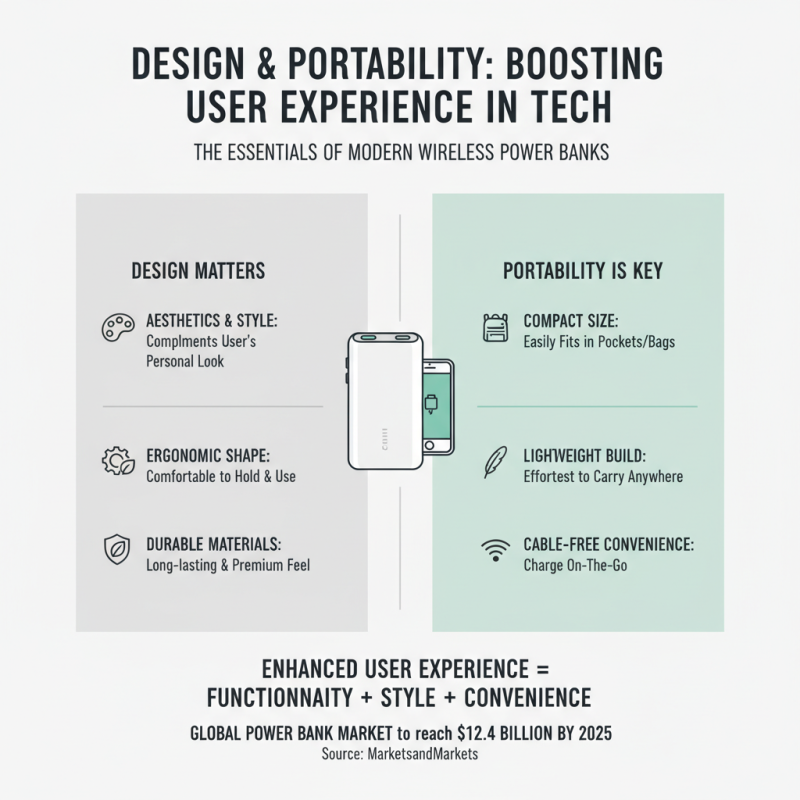
In today's fast-paced world, design and portability are crucial in choosing the right wireless power bank. According to a report by MarketsandMarkets, the global power bank market is expected to reach $12.4 billion by 2025. This trend highlights the growing importance of convenience and aesthetics in tech accessories. A well-designed power bank can complement a user's style while providing functionality.
The portability of wireless power banks is essential for users on the go. Many models weigh less than 250 grams, making them easy to slip into a pocket or bag. The compact size means they can be used anywhere, whether at work, traveling, or relaxing outdoors. However, some designs may lack ruggedness. This can lead to wear and tear if users don't handle them carefully. Devices without sufficient durability might disappoint the users who expect longevity from their investment.
Ergonomics also play a significant role in user experience. A power bank that fits comfortably in hand enhances usability. Users often prefer models that feature non-slip surfaces or rounded edges. However, some brands prioritize sleekness over grip. This can create a challenge when charging in awkward positions. A balance between aesthetic appeal and practical functionality remains necessary in the evolving power bank landscape.
Safety Features and Technology in Modern Wireless Power Banks
The modern wireless power bank is not just about convenience. It's also equipped with several safety features. Overcurrent protection is a critical aspect. This prevents your devices from drawing too much power, which can cause damage. Additionally, many models include short-circuit protection. It acts as a safeguard against potential electrical faults, ensuring safety while charging.
Temperature control is another essential feature. Wireless power banks often come with sensors that monitor heat levels. If they become too warm, the charging process pauses automatically. This technology can help prevent overheating. You may also find built-in surge protection. This feature helps protect your devices during fluctuating power conditions.
While these safety technologies are beneficial, they may not be perfect. Some users report that certain models take longer to charge due to these safeguards. There is a balance to consider between speed and safety. Users should always read reviews to understand performance better. This makes choosing the right wireless power bank a thoughtful process.




 Mr. Leaf