What is a Battery Power Bank and How to Choose the Best One?
In today's fast-paced world, staying connected is essential. A reliable tool for this is the Battery Power Bank. These portable chargers offer a convenient solution for keeping our devices powered on the go. According to Dr. Emily Carter, an expert in portable energy technology, "A Battery Power Bank can be a lifesaver when your device's battery runs low."
Choosing the right Battery Power Bank can seem daunting. With numerous options available, understanding key features is vital. Experts recommend evaluating capacity, size, and compatibility with your devices. A high-capacity power bank might take longer to charge itself, which can be a drawback.
It's not just about having a power bank; it's about having the right one. The market is filled with choices, making it easy to feel overwhelmed. An informed decision can enhance your daily routine, ensuring you stay connected without interruption. As we explore what makes the best Battery Power Bank, remember that even small details matter.
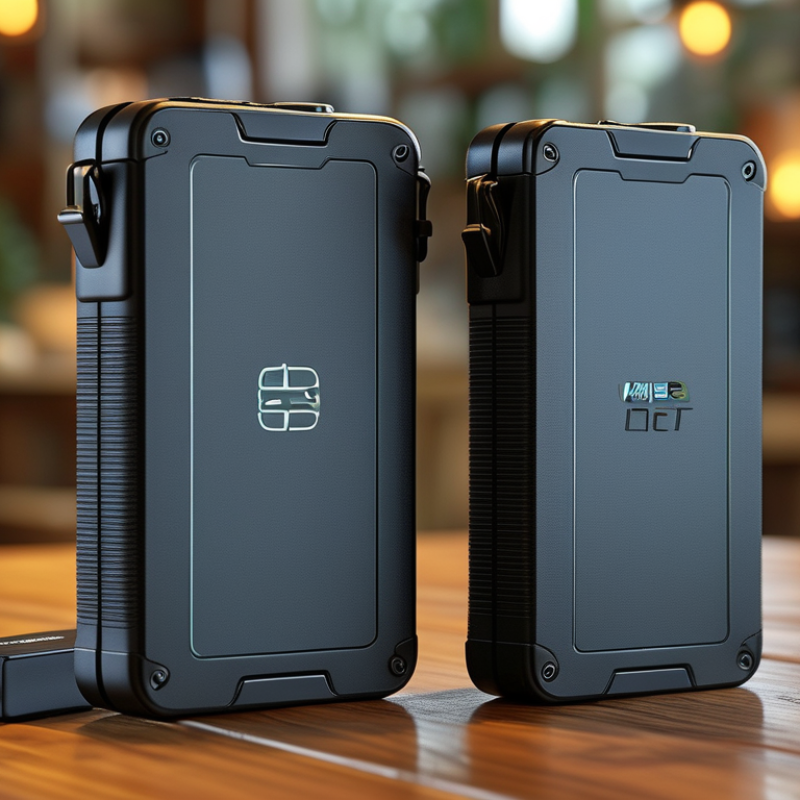
What is a Battery Power Bank?
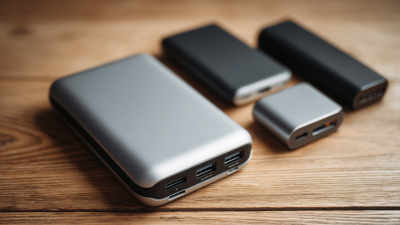
A battery power bank is a portable device that stores electrical energy. It allows users to charge their smartphones, tablets, or other devices on the go. Increasingly, people depend on power banks, especially during travel or outdoor activities. By 2025, the global power bank market is projected to reach $30 billion, according to industry analysts. This growth reflects the rising demand for portable charging solutions.
The primary function of a power bank is to provide a convenient power source. Most power banks have varying capacities measured in milliampere-hours (mAh). A higher mAh rating means more charging cycles. For instance, a typical power bank with a capacity of 10,000 mAh can charge a smartphone two to three times before needing a recharge itself. However, it's critical to consider factors like compatibility and output power. Not all devices charge at the same speed or efficiency.
While power banks are essential, they have their limitations. Not all power banks are equal. Some may lack safety features, leading to overheating or overcharging. Additionally, the real capacity often falls short of advertised numbers due to inefficiencies. According to sources, some users report only about 60-70% efficiency in real-world use. Thus, careful selection is key to finding the best battery power bank for individual needs.
What is a Battery Power Bank and How to Choose the Best One?
| Feature |
Description |
Recommendation |
| Capacity |
Measured in mAh, indicates how much charge the power bank can hold. |
Choose based on your device's battery size and how often you travel. |
| Portability |
Size and weight, important for travel and everyday carry. |
Opt for a lightweight design if you plan to carry it frequently. |
| Output Ports |
Number of ports available to charge multiple devices simultaneously. |
Look for at least two USB outputs for convenience. |
| Charging Speed |
Measured in Amps, indicates how quickly your devices will charge. |
Choose a power bank with at least 2.1A output for fast charging. |
| Safety Features |
Includes short circuit protection, overcharge protection, etc. |
Always prioritize power banks with built-in safety features. |
| Price |
Cost can vary significantly based on features and capacity. |
Set a budget, but balance cost with essential features needed. |
Key Features to Consider When Choosing a Power Bank
When choosing a power bank, several key features matter.
Battery capacity is crucial;
it’s measured in milliamp-hours (mAh). A higher capacity means longer usage.
For instance, a 10,000mAh bank can charge a smartphone about two to three times.
In a pinch, this can be a lifesaver during travel or long outings.
Portability is another important factor. Look for a power bank that is
lightweight and compact.
Ideally, it should fit easily in your bag or pocket. A good design can make a significant difference in everyday use.
Additionally, check the number of output ports.
A bank with multiple ports allows you to charge several devices at once.
This feature is particularly useful for group outings.
Lastly, consider safety features.
Overcharge protection and short-circuit prevention keep your devices safe.
Sometimes, the cheapest option lacks necessary safeguards. Remember, it’s essential to invest in a
reliable power bank. Choosing wisely can save you from uncomfortable situations
when your device runs low. Reflect on your needs before making a decision, as each person's requirements are different.
Types of Battery Power Banks and Their Uses
When choosing a battery power bank, understanding the different types available is essential. There are
portable,
high-capacity, and
solar power banks.
Portable power banks are lightweight and ideal for everyday use. They easily fit into a pocket or bag, making them perfect for casual outings.
High-capacity options, on the other hand, provide more power and can recharge devices multiple times. They are better suited for long trips, but they are bulkier.
Solar power banks harness sunlight to charge devices.
These are environmentally friendly but depend on sunny conditions.
They may not perform well in cloudy areas or at night. Each type has its place, and users should consider their lifestyles and needs.
Selecting the right power bank can be challenging, especially with so many options.
Battery power banks also vary in
charging speed and compatibility.
Fast-charging power banks can significantly reduce charging time for devices. However, not all devices support fast charging.
Ensuring compatibility can save time and frustration. Taking a moment to reflect on individual requirements can lead to a more thoughtful purchase.
The right battery power bank should blend
convenience,
capacity, and
efficiency.
Capacity and Charging Speed: What You Need to Know
When choosing a battery power bank, capacity and charging speed are crucial factors. Capacity is measured in milliamp hours (mAh). A higher capacity means more stored energy. For example, a 10,000mAh power bank can charge most smartphones twice. In contrast, a smaller 5,000mAh power bank provides only one full charge.
Charging speed is equally important. Power banks often support various charging standards, like Quick Charge and USB Power Delivery. These standards can significantly reduce charging time. For example, a power bank with a Quick Charge feature can charge a compatible device up to four times faster than a standard charger. According to a study by Power Bank Research Group, 70% of users prefer power banks that can charge their devices quickly.
Tips: Always check the output current. A power bank with at least 2.1A output is recommended for faster charging. Consider your device’s requirements as well. Some people overlook this and end up with a slow charging experience. It's essential to balance capacity and speed to avoid dissatisfaction.
Remember, the most powerful bank is not always the best fit. Users should reflect on their needs. A two-day trip might not require a hefty model. A lighter, portable option could be more suitable. Understanding your unique situation is key to making the right choice.
Battery Power Bank Capacity and Charging Speed Comparison
Tips for Selecting the Best Battery Power Bank for Your Needs
Choosing the right battery power bank can be daunting. It’s crucial to
assess your needs and usage patterns. Consider the capacity, measured in milliamp hours (mAh). A
higher mAh means more charge for your device. Think about how often you travel or use your devices outdoors.
A compact power bank suits daily commutes, while larger ones are better for extended trips.
Check the number of ports and charging speed. Multiple ports allow you to
charge more than one device simultaneously. Fast charging
features can be a game-changer when time is tight. Pay attention to compatibility with your devices.
Look for power banks with universal connectors. This helps ensure you'll never be caught without power.
Finally, don’t overlook safety features.
Overcharging protection is essential. Quality control can vary across products. Reviews can guide you,
but experiences differ. Some users may find issues not mentioned in specs. Research thoroughly
before making a choice. Make sure your power bank aligns with your lifestyle and is reliable when you need it most.



 Mr. Leaf